
 By zynmag
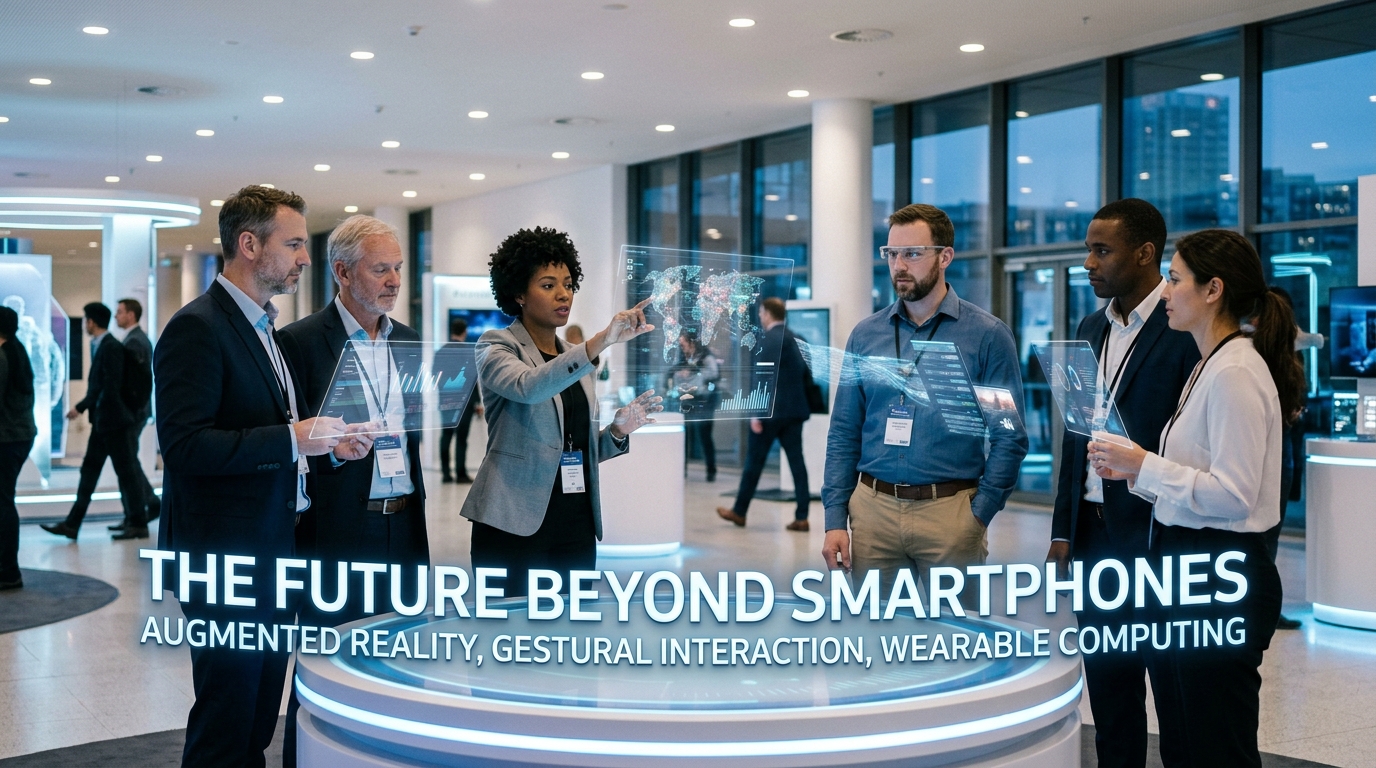
For nearly two decades, smartphones have dominated how people communicate, work, and navigate daily life. However, tech giants envision a future beyond smartphones, one where screens fade into the background and technology becomes far more seamless. Major companies now pour billions into research exploring wearables, augmented reality, and ambient computing systems. As a result, the smartphone’s reign as the primary personal device may eventually give way to something entirely different. This article examines the emerging technologies driving this shift and what they might mean for everyday users.
Why Smartphones May Be Reaching Their Limit
Smartphones revolutionized personal computing, yet many industry leaders now suggest the format has reached a natural plateau. Innovation within the smartphone category has slowed considerably, with annual upgrades often delivering marginal improvements rather than transformative change. Consequently, companies increasingly look elsewhere for the next major breakthrough in personal technology. Additionally, constant screen time has raised legitimate concerns about attention, mental health, and social connection. Because of these limitations, engineers and designers are exploring alternatives that integrate technology more naturally into daily life, rather than demanding constant visual attention.
The Search for the Next Big Platform
Every technological era eventually gives way to a new dominant platform, and many believe that shift is approaching now. Just as smartphones replaced desktop computers as the primary computing device, something new may replace smartphones eventually. Therefore, major companies are racing to define what that next platform might look like. Some believe wearables will lead the charge, while others place bets on spatial computing or ambient artificial intelligence. Regardless of which technology ultimately wins, the competition itself reveals genuine uncertainty about where personal computing goes next.
Augmented Reality Glasses Take Center Stage
Augmented reality glasses represent one of the most heavily invested directions among major technology companies today. Unlike virtual reality headsets, which fully immerse users in digital environments, AR glasses overlay digital information onto the real world. Consequently, users could receive notifications, directions, or translations without ever looking down at a separate device. Several companies have already released early versions of smart glasses, though widespread adoption remains limited due to cost and design challenges. Nevertheless, continued investment suggests that augmented reality glasses could eventually become as common as smartphones are today.
Design Challenges Facing Smart Glasses
Despite considerable enthusiasm, smart glasses face substantial hurdles before they can achieve mainstream adoption among everyday consumers. Battery life remains a persistent challenge, since powerful processors and displays drain energy far faster than simple eyewear requires. Additionally, social acceptance poses a real obstacle, as some early AR devices faced criticism over privacy concerns and awkward aesthetics. Manufacturers must therefore balance functionality with genuine fashion appeal, since people won’t wear devices they consider unattractive. As these challenges get addressed gradually, though, many analysts expect smart glasses to become significantly more refined and appealing.
Ambient Computing and the Invisible Interface
Beyond wearable devices, ambient computing represents an even more radical vision for technology’s future direction. This concept imagines a world where computing power surrounds users invisibly, embedded within homes, cars, and public spaces. Rather than pulling out a device to complete a task, users simply speak, gesture, or rely on environmental sensors to anticipate their needs. For instance, smart home systems already demonstrate early versions of this vision, adjusting lighting and temperature based on user behavior patterns. As ambient computing matures, technology could become almost entirely invisible, woven seamlessly into everyday surroundings without demanding conscious interaction.
Voice and Gesture as Primary Interfaces
As screens potentially recede into the background, voice and gesture control become increasingly important interaction methods. Voice assistants have already demonstrated significant improvements in accuracy and natural language understanding over recent years. Meanwhile, gesture recognition technology allows users to control devices through simple hand movements, eliminating the need for physical touch entirely. Together, these interfaces point toward a future where interacting with technology feels less like operating a machine and more like natural communication. However, both technologies still require substantial refinement before they can fully replace touchscreen convenience and reliability.
Artificial Intelligence as the Connective Tissue
Artificial intelligence plays an increasingly central role in this vision of a post-smartphone technological landscape. Rather than functioning as isolated tools, future devices will likely rely on AI to anticipate needs and coordinate seamlessly across multiple platforms. For example, an AI system might recognize that a user is heading to a meeting and automatically adjust notifications accordingly. Furthermore, AI could enable more natural interactions with ambient computing systems, understanding context without requiring explicit commands. Consequently, artificial intelligence may become the invisible thread connecting wearables, smart environments, and personal devices into one cohesive experience.
Personalization Through Machine Learning
Machine learning enables devices to adapt continuously to individual preferences, creating experiences that feel genuinely tailored to each user. Over time, these systems learn communication styles, daily routines, and personal priorities, refining their suggestions accordingly. As a result, future technology may require far less manual configuration than today’s smartphones and applications demand. Additionally, this personalization extends beyond simple convenience, potentially supporting mental health, productivity, and overall wellbeing through smarter, more contextual assistance. Because of these capabilities, machine learning stands as a foundational technology underlying much of this broader technological transition.
The Role of Wearable Health Technology
Health monitoring represents another significant frontier as companies imagine life beyond traditional smartphone-centric technology ecosystems. Wearable devices already track heart rate, sleep patterns, and physical activity, providing users with valuable health insights. Moving forward, these devices may incorporate increasingly sophisticated sensors capable of detecting early warning signs for various health conditions. Consequently, wearable technology could shift healthcare from reactive treatment toward proactive prevention and continuous monitoring. Moreover, integrating health data with other ambient systems could enable more holistic support, addressing physical, mental, and emotional wellbeing simultaneously.
Privacy Concerns in an Always-On World
As devices become more integrated into daily life, privacy concerns naturally intensify alongside these technological advancements. Constant data collection, whether through wearables, smart glasses, or ambient sensors, raises legitimate questions about surveillance and consent. Therefore, companies developing these technologies face growing pressure to implement robust privacy protections and transparent data practices. Users increasingly demand control over what information gets collected and how companies use that data. Consequently, successful adoption of post-smartphone technology likely depends heavily on building genuine trust around privacy and data security practices.
Competition Among Major Technology Companies
Several major technology companies have publicly committed substantial resources toward developing this next generation of personal devices. This competition drives rapid innovation, though it also creates fragmentation as companies pursue different technological approaches simultaneously. Some companies prioritize augmented reality, while others focus on ambient computing or advanced wearable health technology instead. Meanwhile, smaller startups contribute meaningful innovations, sometimes pioneering ideas that larger companies later adopt or acquire. Ultimately, this competitive landscape benefits consumers, since intense rivalry typically accelerates development and improves product quality across the entire industry.
Investment Trends Signal Long-Term Commitment
Financial investment patterns reveal just how seriously major companies take this potential shift away from smartphone dominance. Billions of dollars flow annually into research and development focused on wearables, AR technology, and artificial intelligence systems. Additionally, companies continue acquiring smaller firms specializing in relevant technologies, signaling long-term strategic commitment rather than short-term experimentation. These substantial investments suggest that industry leaders genuinely believe smartphones will eventually share the stage with new device categories. However, predicting exact timelines remains difficult, since consumer adoption often lags behind technological capability by several years.
Challenges That Could Slow This Transition
Despite considerable optimism, several significant obstacles could slow or complicate this anticipated shift beyond smartphone-centric technology. Consumer habits change slowly, and smartphones have become deeply embedded within daily routines across nearly every demographic. Therefore, convincing users to adopt entirely new device categories requires overcoming substantial inertia and behavioral resistance. Additionally, cost remains a barrier, since cutting-edge wearables and AR devices often carry premium price tags beyond typical smartphone pricing. Furthermore, technical limitations around battery life, processing power, and display quality continue constraining what these devices can realistically achieve today.
Balancing Innovation with Practical Usability
Ultimately, successful post-smartphone technology must balance genuine innovation with practical, everyday usability that consumers actually want. Impressive technical capabilities mean little if devices remain uncomfortable, expensive, or difficult to integrate into daily life. Consequently, companies must prioritize user experience alongside technological advancement, ensuring new devices solve real problems effectively. Moreover, gradual introduction often proves more successful than dramatic, all-at-once replacement of familiar technology like smartphones. As history demonstrates repeatedly, the most successful technologies tend to enhance existing habits rather than demanding radical behavioral change immediately.
Conclusion
Tech giants envision a future beyond smartphones through substantial investment in wearables, augmented reality, and ambient computing systems. While smartphones will likely remain relevant for years to come, emerging technologies increasingly point toward a more integrated, less screen-dependent future. Artificial intelligence, voice interfaces, and health-focused wearables all contribute meaningfully to this broader technological transition currently underway. Nevertheless, significant challenges around privacy, cost, and consumer adoption must be addressed before this vision becomes widespread reality. As development continues accelerating, the coming decade will likely reveal whether this ambitious vision truly reshapes personal technology forever.