
 By zynmag
Introduction
Pantagonar has quietly become a destination that curious travelers increasingly mention in conversations about meaningful journeys. Many people now search for places that offer authenticity rather than overcrowded tourist attractions. Consequently, lesser-known regions with rich landscapes and culture attract growing attention from independent travelers. This article explores what makes this particular destination worth visiting, along with practical guidance for planning a trip. Throughout the discussion, we will examine geography, culture, activities, and travel logistics in detail. As a result, readers will gain a clearer sense of whether this destination matches their travel style. Ultimately, this guide aims to help travelers decide if the journey suits their interests and expectations.
Where Is Pantagonar Located?
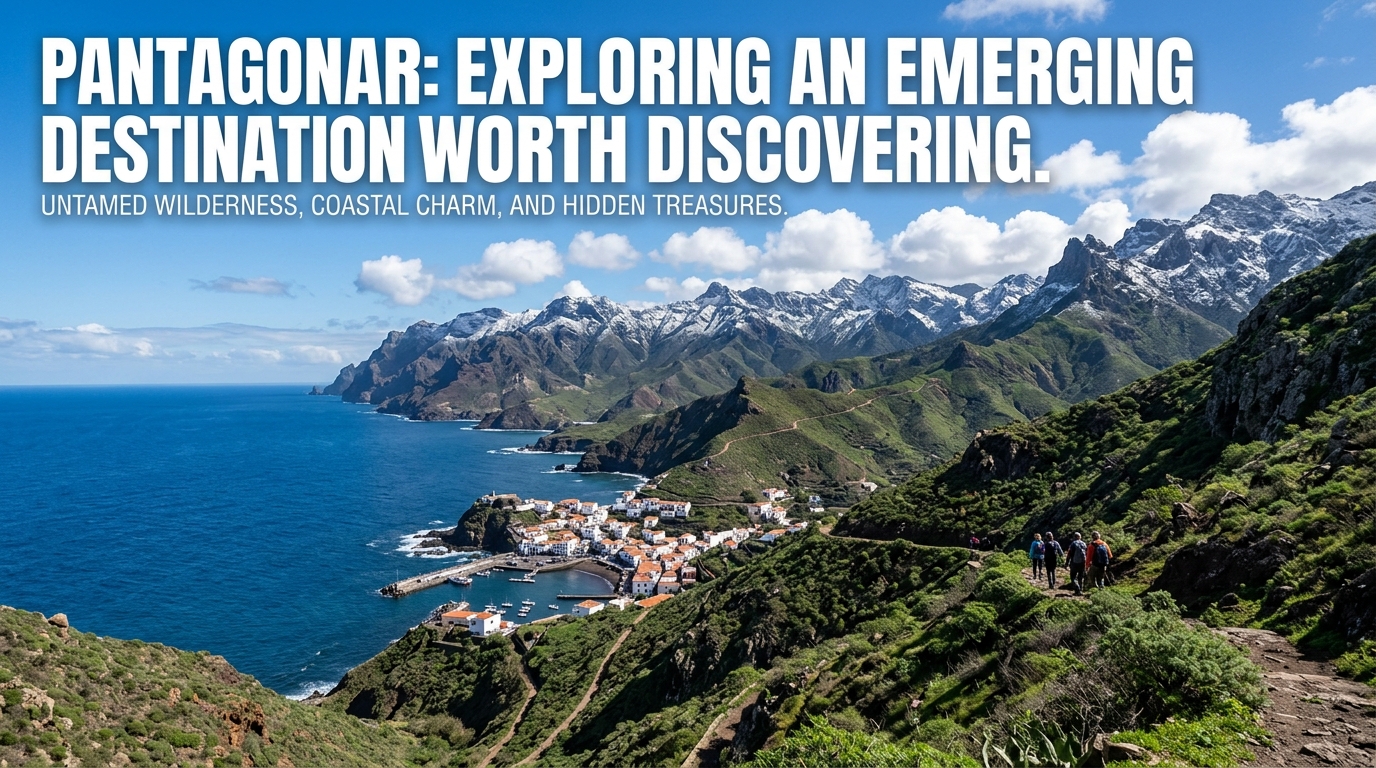
Geographically, this region sits within a landscape shaped by mountains, rivers, and expansive open plains. Travelers often describe the terrain as dramatic, since elevation changes create striking views within short distances. Therefore, visitors can experience multiple climate zones during a single trip without traveling extensively. Local infrastructure includes small towns connected by winding roads that wind through valleys and forested areas. Additionally, several rivers cut through the region, supporting both agriculture and recreational activities like fishing and rafting. Public transportation remains limited in more remote areas, so many travelers choose to rent vehicles. Consequently, flexibility in scheduling becomes essential for anyone planning to explore beyond the main towns thoroughly.
A Brief Look at Local History
Early Settlement Patterns
Communities in this region developed gradually, shaped largely by available natural resources and seasonal weather patterns. Early inhabitants relied heavily on agriculture, herding, and trade routes connecting neighboring valleys and settlements. Over time, small trading posts grew into permanent towns as populations increased steadily across generations. Furthermore, geographic isolation helped preserve distinct local customs that remain visible in architecture and daily traditions today. Many older buildings still reflect construction methods passed down through multiple generations of local craftsmen. Consequently, visitors interested in history will notice architectural details that differ noticeably from more modernized regions nearby.
Cultural Influences Over Time
Throughout history, trade and migration introduced new cultural elements that blended with established local traditions. Music, cuisine, and festival customs reflect this gradual mixing of influences across several centuries. Additionally, regional dialects developed distinct characteristics, even though they share roots with broader national languages. Many older residents still use traditional expressions that younger generations are working to preserve and document. Local museums and cultural centers now focus on recording these traditions before they fade entirely. Therefore, travelers interested in cultural history will find numerous opportunities to learn directly from community members and exhibits.
Things to See and Do
Natural Attractions
Outdoor enthusiasts will find numerous opportunities for hiking, photography, and general exploration throughout the region. Mountain trails range from gentle walking paths to more challenging routes suited for experienced hikers. Furthermore, several viewpoints offer panoramic perspectives that capture the dramatic contrast between mountains and lowland plains. Rivers throughout the area support activities like kayaking and fishing during warmer months of the year. Additionally, forested areas provide habitat for diverse wildlife, which attracts birdwatchers and nature photographers alike. Many visitors recommend allocating at least several days to fully appreciate the natural variety this destination offers travelers willing to explore.
Cultural Experiences
Beyond natural scenery, visitors can engage with local culture through markets, festivals, and small community-run workshops. Weekly markets in larger towns showcase regional crafts, food, and agricultural products produced by local families. Furthermore, seasonal festivals celebrate harvests, historical events, and religious traditions that vary depending on the specific town. Many communities welcome visitors to observe or participate in traditional music and dance performances during these events. Additionally, small workshops teach traditional crafts like weaving, pottery, and woodworking to interested travelers. Consequently, cultural immersion remains accessible even for visitors with limited time, since many experiences require only a few hours.
Local Cuisine
Food plays a central role in understanding any destination, and this region offers distinct culinary traditions worth exploring. Local dishes often incorporate ingredients sourced directly from nearby farms, rivers, and surrounding forests. Therefore, meals frequently reflect seasonal availability rather than standardized menus found in more commercialized tourist areas. Many small restaurants and family-run establishments serve recipes passed down through multiple generations within the same family. Additionally, regional markets offer opportunities to sample street food and traditional snacks at affordable prices. Travelers interested in culinary experiences should prioritize smaller, family-operated establishments over larger restaurants catering primarily to tourists.
Practical Travel Information
Best Time to Visit
Choosing the right season significantly affects the overall travel experience in this particular region. Spring and early autumn typically offer moderate temperatures, making outdoor activities more comfortable for most travelers. Meanwhile, summer months bring warmer weather but also attract larger crowds to popular attractions and accommodations. Winter conditions vary depending on elevation, with higher areas experiencing significant snowfall and reduced accessibility. Consequently, travelers should research specific regional weather patterns before finalizing their travel dates. Many local tourism offices provide seasonal guidance that helps visitors plan trips around festivals, weather, and crowd levels effectively.
Accommodation Options
Lodging options range from small guesthouses to more established hotels located in larger towns throughout the region. Many travelers prefer locally owned guesthouses, since they often provide more personalized service and authentic local insight. Furthermore, several accommodations include meals prepared with regional ingredients, which enhances the overall cultural experience significantly. Booking in advance becomes especially important during festival seasons, when demand for rooms increases considerably. Additionally, remote areas may offer limited options, so travelers exploring less populated regions should plan accommodations carefully. Consequently, flexibility and advance research help ensure comfortable lodging throughout the entire trip.
Transportation and Logistics
Getting around this region requires some planning, since public transportation infrastructure remains underdeveloped in certain areas. Renting a vehicle provides the most flexibility, particularly for travelers wanting to explore remote natural attractions. Meanwhile, local buses connect larger towns, though schedules may run infrequently compared to more urbanized destinations. Additionally, some mountain roads become difficult to navigate during winter months due to snow and ice. Therefore, travelers should check road conditions regularly, especially when planning trips during colder seasons. Hiring local guides for more remote excursions also helps ensure safety and a richer overall travel experience.
Tips for Responsible Travel
Visitors should approach this destination with respect for local customs, environment, and community livelihoods throughout their stay. Supporting locally owned businesses rather than large international chains helps ensure tourism benefits remain within the community directly. Furthermore, travelers should follow designated trails when hiking, since unregulated paths can damage fragile natural ecosystems. Learning basic local phrases also demonstrates respect and often improves interactions with residents throughout the trip. Additionally, reducing waste and properly disposing of trash helps preserve the natural beauty that attracts visitors initially. Consequently, responsible travel practices help maintain this destination’s appeal for future generations of travelers and residents alike.
Challenges Travelers May Encounter
Despite its appeal, this destination presents certain challenges that travelers should consider before finalizing their plans. Limited infrastructure in remote areas can make spontaneous travel more difficult compared to highly developed tourist destinations. Additionally, language barriers may arise in smaller towns, where English proficiency remains less common among older residents. Weather unpredictability, particularly in mountainous areas, can disrupt travel plans without much advance warning. Furthermore, certain attractions lack detailed signage, which makes hiring local guides advisable for unfamiliar visitors. Preparing for these challenges in advance helps travelers avoid frustration and enjoy a smoother, more rewarding overall experience.
Why This Destination Continues Gaining Attention
Interest in this region continues growing as travelers increasingly seek authentic, less commercialized destinations away from crowded tourist circuits. Social media exposure has introduced the area to wider international audiences over recent years. However, local tourism boards emphasize sustainable growth, aiming to avoid the overtourism issues affecting other popular destinations. Consequently, infrastructure development proceeds gradually, balancing visitor demand with environmental and cultural preservation efforts. Many travelers specifically value this measured approach, since it helps maintain the authentic character that initially attracted them. Therefore, the destination’s appeal seems likely to continue strengthening among travelers seeking meaningful, less commercialized experiences.
Conclusion
Pantagonar offers a compelling blend of natural beauty, cultural richness, and authentic travel experiences for curious explorers. Although infrastructure challenges exist, careful planning helps travelers navigate the region smoothly and comfortably throughout their visit. From dramatic landscapes to traditional festivals, this destination rewards visitors willing to slow down and engage thoughtfully. As interest continues growing, travelers who visit now may experience the region before larger crowds arrive. Ultimately, anyone seeking a destination that combines scenery, culture, and genuine local connection should consider planning a visit soon.