
 By zynmag
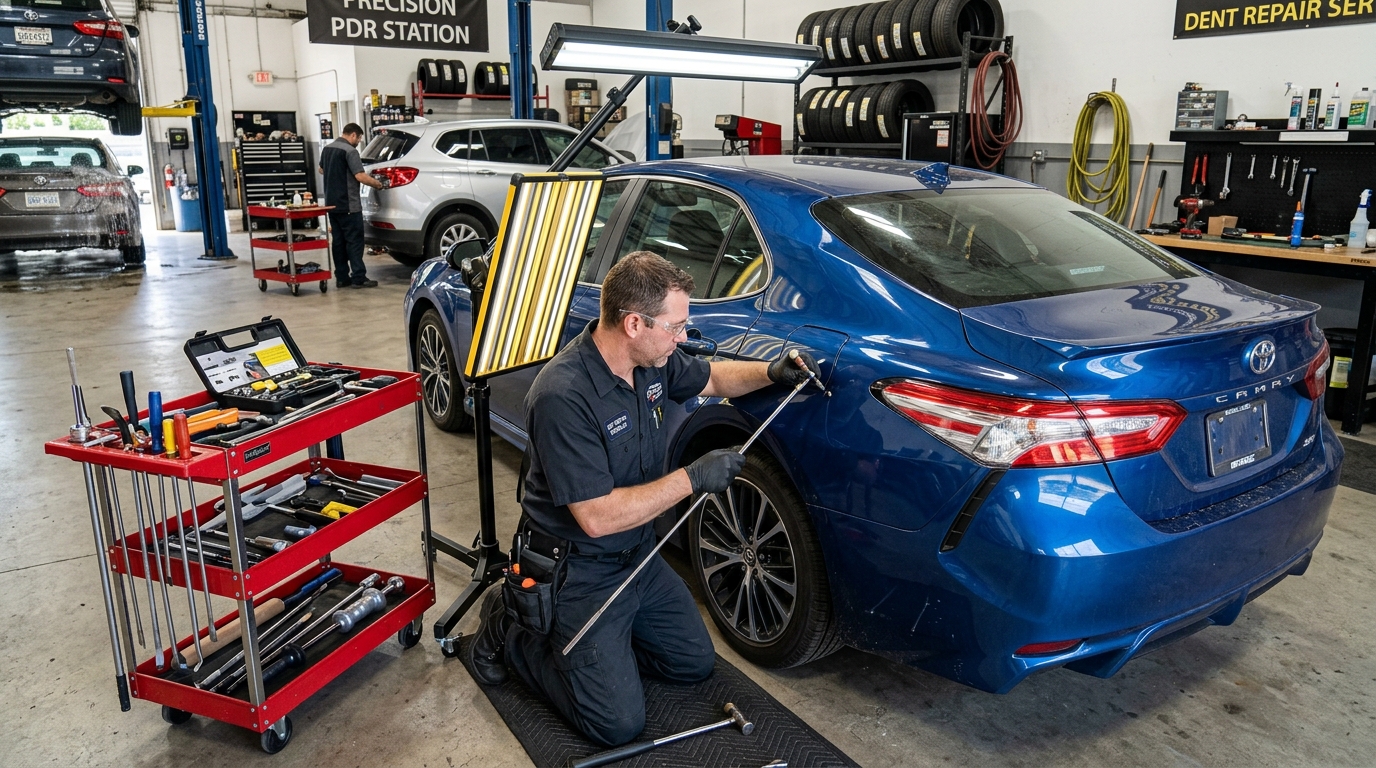
Ausbeulstation has emerged as a transformative approach within the automotive repair industry today. This innovative system offers vehicle owners faster, more affordable solutions for addressing minor body damage. Consequently, many repair shops now invest in this technology to meet growing customer demand efficiently. Furthermore, this article explores the technology, benefits, and practical applications behind this evolving dent repair method.
Understanding the Core Technology Behind Modern Dent Repair
Traditional dent repair often required extensive bodywork, including sanding, filling, and repainting damaged vehicle sections. This modern approach instead relies on specialized tools that manipulate metal without disturbing the original paint. Therefore, technicians can restore a vehicle’s surface while preserving its factory finish and value. Additionally, this method significantly reduces both repair time and material costs compared to conventional techniques. This technological shift represents a genuine improvement over decades-old bodywork practices still common in many shops.
Technicians access the underside of a dent using specially designed rods and leverage tools. Consequently, they can gently push metal back into its original shape from behind the panel. Moreover, precise lighting techniques help technicians identify subtle imperfections that require careful attention during the process. This meticulous approach ensures the finished result looks virtually indistinguishable from an undamaged vehicle surface. As a result, customers increasingly prefer this method over traditional filling and repainting alternatives.
The Advantages of Paintless Dent Repair Methods
Speed represents one of the most significant advantages associated with this modern repair approach. Many dents that once took days to repair now require only a few hours of work. Therefore, customers experience significantly less inconvenience while their vehicles undergo necessary repair procedures. Additionally, faster turnaround times allow repair shops to serve more customers without expanding their physical facilities. This efficiency benefits both business owners and vehicle owners seeking prompt, reliable repair solutions.
Cost savings also make this approach attractive compared to traditional bodywork and repainting methods. Furthermore, preserving the original paint finish maintains a vehicle’s resale value more effectively than repainted panels. Consequently, insurance companies increasingly favor this method when processing claims for minor vehicle damage. Additionally, environmental benefits emerge since less paint, primer, and associated chemicals enter the repair process. This combination of speed, cost savings, and environmental responsibility explains the growing popularity of this technique.
Equipment and Tools That Enable Precision Repairs
Specialized tool kits form the foundation of any successful modern dent repair operation today. These kits typically include various rods, hooks, and leverage devices designed for different dent shapes. Therefore, technicians can select appropriate tools based on the specific characteristics of each individual dent. Additionally, glue-pulling systems offer alternative solutions for dents in hard-to-reach or inaccessible locations.
Advanced lighting boards help technicians visualize subtle surface irregularities that might otherwise go unnoticed. Furthermore, these lighting systems create reflective patterns that reveal the true contours of damaged panels clearly. Consequently, technicians can work with greater precision, ensuring thorough repairs rather than leaving subtle imperfections behind. Additionally, some facilities now incorporate heating elements that make metal more pliable during the repair process. This combination of specialized tools and technology enables consistently high-quality repair outcomes across various damage types.
Training and Skill Development for Repair Technicians
Becoming proficient in this repair method requires extensive training and considerable hands-on practice experience. Technicians must develop a nuanced understanding of metal behavior and how it responds to manipulation. Therefore, comprehensive training programs typically combine classroom instruction with supervised practical application sessions. Additionally, ongoing skill development helps technicians handle increasingly complex or unusual dent configurations successfully.
Certification programs have emerged to standardize training and ensure consistent quality across the industry. Furthermore, experienced technicians often mentor newcomers, sharing techniques refined through years of practical experience. Consequently, this knowledge transfer helps maintain high standards throughout the growing dent repair industry. Additionally, technicians must continuously adapt their skills as vehicle manufacturers introduce new metal alloys and panel designs. This ongoing learning process ensures technicians remain capable of handling modern vehicle repair challenges effectively.
Types of Damage Suitable for This Repair Approach
Hail damage represents one of the most common applications for this specialized repair technique. Multiple small dents across a vehicle’s surface respond particularly well to this precise, targeted approach. Therefore, insurance companies frequently recommend this method following hailstorms that affect numerous vehicles simultaneously. Additionally, minor door dings and parking lot damage also respond favorably to these repair techniques.
Larger dents, while more challenging, often remain suitable candidates depending on their location and severity. Furthermore, technicians must assess whether the metal has stretched beyond what manipulation can effectively address. Consequently, not every dent qualifies for this approach, particularly those involving significant paint damage or metal creasing. Additionally, dents near vehicle edges or complex body lines sometimes require modified techniques or alternative approaches. This assessment process helps technicians determine the most appropriate repair strategy for each situation.
The Business Impact on Auto Repair Shops
Repair shops offering this service often experience increased customer satisfaction and repeat business opportunities. Faster service times mean customers spend less time without their vehicles during the repair process. Therefore, shops can process higher volumes of work while maintaining excellent customer service standards. Additionally, reduced material costs improve profit margins compared to traditional bodywork and repainting services.
Word-of-mouth referrals increase significantly when customers experience quick, affordable, and high-quality repair outcomes. Furthermore, shops specializing in this technique often develop strong relationships with insurance companies and adjusters. Consequently, these partnerships create steady business referrals for shops that demonstrate consistent quality and reliability. Additionally, offering this service alongside traditional bodywork allows shops to serve diverse customer needs effectively. This business advantage explains why many repair facilities continue investing in this specialized equipment and training.
Insurance Considerations and Claims Processing
Insurance companies increasingly recognize the value this repair method offers for processing minor damage claims efficiently. Lower repair costs translate directly into reduced claim payouts, benefiting both insurers and policyholders. Therefore, many insurance providers actively encourage customers to choose shops offering this repair technique. Additionally, faster repair times mean reduced rental car expenses during the claims process.
Adjusters often specifically evaluate whether dents qualify for this less invasive repair approach. Furthermore, documentation and photography help adjusters determine appropriate repair methods for each specific damage scenario. Consequently, clear communication between repair shops and insurance adjusters streamlines the entire claims process significantly. Additionally, some insurance companies maintain preferred provider networks that specialize in this particular repair technique. This collaborative relationship between insurers and repair shops benefits everyone involved in the claims process.
Environmental Benefits of Reduced Chemical Usage
Traditional auto body repair involves substantial use of paints, primers, and various chemical treatments regularly. This modern approach significantly reduces reliance on these potentially harmful substances during the repair process. Therefore, repair shops adopting this technique contribute to reduced environmental impact within their local communities. Additionally, decreased chemical usage improves air quality within repair facilities, benefiting technician health and safety.
Waste reduction also occurs since fewer materials require disposal compared to traditional bodywork repair methods. Furthermore, this environmental consciousness aligns with broader industry trends toward more sustainable business practices. Consequently, environmentally conscious consumers increasingly seek out repair shops offering these more sustainable service options. Additionally, reduced energy consumption occurs since repainting typically requires curing ovens and other energy-intensive equipment. This combination of environmental benefits adds another compelling reason for the industry’s continued adoption of this technique.
Challenges and Limitations Within Current Technology
Despite numerous advantages, this repair approach does face certain limitations that technicians must acknowledge honestly. Severe damage involving significant metal stretching or paint cracking often requires traditional repair methods instead. Therefore, technicians must accurately assess each situation to determine the most appropriate repair strategy available. Additionally, certain vehicle designs and metal compositions present greater challenges than others during the repair process.
Access limitations sometimes prevent technicians from reaching damaged areas effectively using standard tools and techniques. Furthermore, extremely large dents may require combining this technique with traditional bodywork for optimal results. Consequently, technicians must maintain realistic expectations about what this repair method can and cannot accomplish. Additionally, ongoing research and development continue expanding the range of damage suitable for this approach. This honest assessment of current limitations helps maintain industry credibility while technology continues advancing steadily.
Future Innovations Shaping the Industry
Emerging technologies promise even greater precision and efficiency within this evolving repair discipline. Artificial intelligence may soon assist technicians in identifying optimal repair strategies for complex damage patterns. Therefore, future developments could further reduce repair times while improving overall outcome quality and consistency. Additionally, new materials and tools continue expanding the range of damage suitable for this approach.
Robotic assistance represents another potential development that could enhance precision and reduce technician fatigue significantly. Furthermore, improved training simulations using virtual reality technology may accelerate skill development for new technicians. Consequently, these innovations could help address industry-wide technician shortages while maintaining high service quality standards. Additionally, continued research into vehicle metal compositions will likely inform future tool and technique development. This ongoing innovation ensures the industry will continue evolving to meet changing automotive repair demands effectively.
Choosing the Right Repair Shop for Your Vehicle
Selecting a qualified repair shop requires considering technician experience, equipment quality, and customer review feedback carefully. Certification credentials provide reassurance regarding a technician’s training and demonstrated skill level within this specialty. Therefore, customers should research potential repair shops before committing to any particular service provider. Additionally, requesting before-and-after photos from previous repairs helps evaluate a shop’s actual work quality.
Warranty offerings also indicate a shop’s confidence in their repair quality and long-term durability. Furthermore, transparent pricing and clear communication throughout the repair process indicate professional, customer-focused business practices. Consequently, customers who research thoroughly before selecting a repair shop typically experience more satisfactory outcomes. Additionally, asking about specific technician experience with your vehicle’s particular make and model proves valuable. This careful selection process helps ensure customers receive quality repairs that meet their expectations and needs.
Final Thoughts on This Evolving Repair Technology
This innovative repair approach represents a significant advancement within the automotive body repair industry overall. The combination of speed, cost-effectiveness, and environmental benefits explains its growing popularity among consumers and businesses. Additionally, continued technological development promises even greater capabilities and broader applications in coming years. Therefore, this method will likely continue gaining market share compared to traditional bodywork repair techniques.
As more consumers become aware of these benefits, demand for this specialized service will likely increase further. Consequently, repair shops that invest in proper equipment and technician training position themselves favorably within the industry. Furthermore, ongoing innovations will likely expand the range of damage types suitable for this approach. This continued evolution confirms that this technology represents a genuine, lasting improvement within modern automotive repair practices.