
 By zynmag
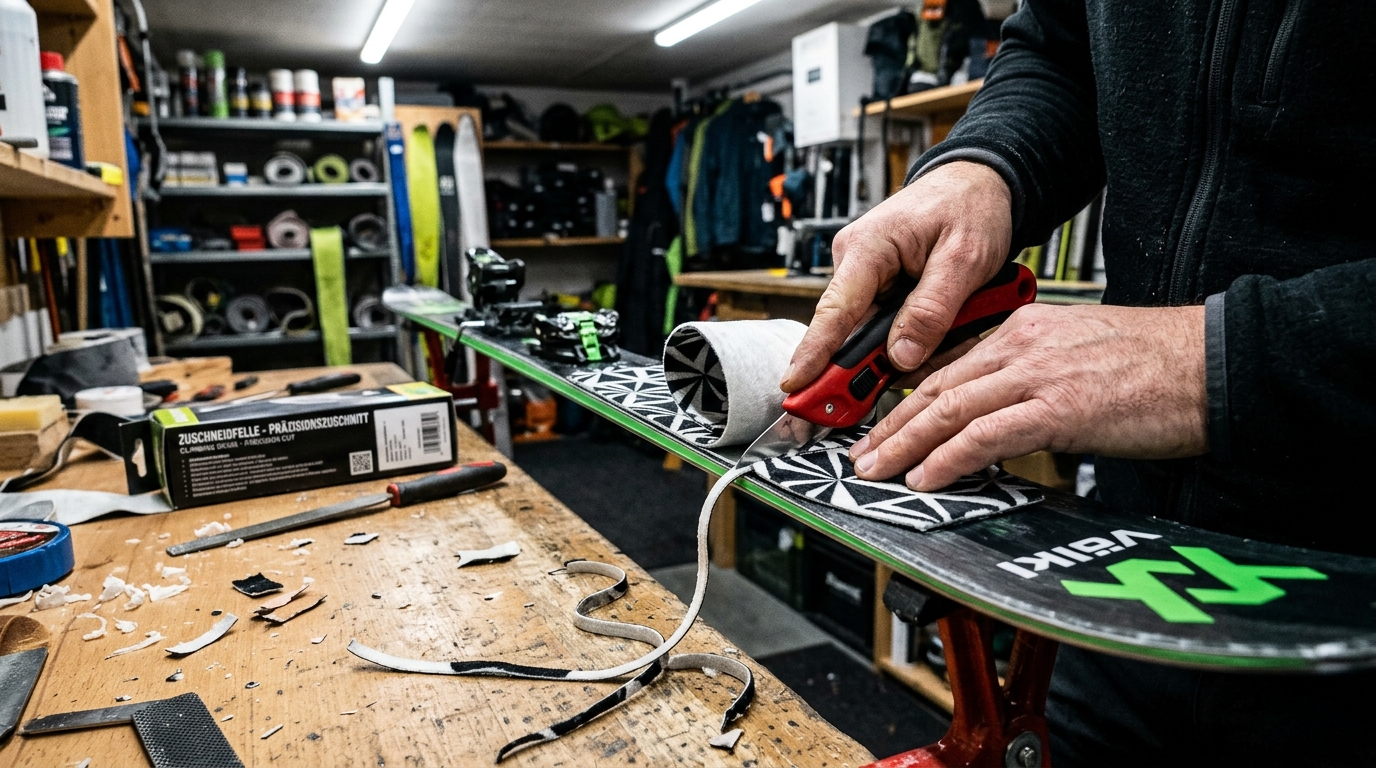
Anyone working with detailed cutting projects eventually discovers the value of quality Zuschneidfelle for consistent, reliable results. This specialized material has earned a reputation among craftspeople who demand precision without sacrificing durability or workability. Whether used in professional workshops or home studios, it delivers performance that generic alternatives simply cannot match. Consequently, understanding what makes this material special helps buyers make informed decisions before their next project. This article examines its properties, applications, and the reasons skilled workers continue choosing it over substitutes.
What Makes This Material Unique
Every cutting project demands materials that balance flexibility with structural integrity throughout the entire process. Zuschneidfelle achieves this balance through careful processing that preserves natural fiber strength while enhancing workability. Unlike synthetic alternatives, it responds predictably to blades, allowing craftspeople to achieve cleaner, more accurate cuts. Furthermore, its texture provides enough resistance to guide tools without causing unnecessary strain on the hands. This combination of qualities explains why experienced workers often prefer it over mass-produced substitutes.
Temperature and humidity affect most cutting materials significantly, yet this particular option remains remarkably stable across conditions. As a result, craftspeople can work confidently regardless of seasonal changes or workshop environment variations. Additionally, the material’s consistent thickness reduces the guesswork often associated with lower-quality alternatives. Therefore, projects requiring exact measurements benefit enormously from this predictability during every stage of production. Ultimately, these characteristics combine to create a material that professionals trust for demanding, detail-oriented work.
The Importance of Precision in Cutting Work
Precision cutting separates amateur results from professional-quality craftsmanship in nearly every creative discipline. Small errors during cutting can compound throughout a project, leading to misaligned pieces or wasted material. Consequently, choosing the right material from the start prevents many common problems before they occur. Zuschneidfelle supports precision through its uniform density, which prevents unexpected tearing or uneven edges during cuts. Moreover, this consistency allows craftspeople to replicate results across multiple pieces without constant readjustment.
Many professionals emphasize that material quality directly influences tool longevity and overall cutting efficiency. Poor-quality materials often dull blades faster, requiring more frequent sharpening and increasing long-term costs. However, well-processed cutting material reduces this wear, extending the life of expensive tools significantly. Therefore, investing in superior materials often proves more economical than continuously replacing damaged or dulled equipment. This long-term perspective explains why serious craftspeople prioritize quality over initial cost savings.
Applications Across Different Industries
The versatility of Zuschneidfelle extends far beyond a single industry, making it valuable across numerous applications. Fashion designers rely on it for pattern-making, where precise cuts determine the fit of finished garments. Meanwhile, leatherworkers use similar principles when crafting bags, wallets, and other detailed accessories. Additionally, upholsterers benefit from materials that hold their shape while allowing intricate, customized cutting patterns. This broad applicability demonstrates why understanding proper material selection matters across creative and industrial fields alike.
Beyond fashion and leatherwork, hobbyists increasingly discover this material’s usefulness for smaller, detail-oriented craft projects. Scrapbooking enthusiasts, for example, appreciate materials that cut cleanly without fraying or tearing unexpectedly. Similarly, model builders value precision when working on intricate designs requiring exact measurements and clean edges. Consequently, the material’s reputation has spread from specialized trades into broader hobbyist and maker communities. This crossover appeal highlights just how adaptable and dependable quality cutting materials can become.
Comparing Quality Grades and Options
Not all cutting materials labeled similarly offer the same level of quality or performance consistency. Buyers should examine thickness, texture, and overall finish before committing to a particular supplier or batch. Higher-grade options typically feel more uniform, with fewer visible imperfections across the entire surface area. Meanwhile, lower-quality alternatives may contain inconsistencies that only become apparent once cutting begins. Therefore, careful inspection before purchase saves both time and frustration during actual project work.
Price often correlates with quality, though buyers shouldn’t assume the most expensive option always suits their needs. Some projects require premium materials, while others perform perfectly well with mid-range options instead. Consequently, understanding project requirements beforehand helps buyers avoid overspending on unnecessary premium features. Additionally, purchasing from reputable suppliers reduces the risk of receiving inconsistent or poorly processed material batches. This careful approach to sourcing ultimately supports better results and fewer wasted materials over time.
Proper Storage and Handling Techniques
Maintaining material quality doesn’t end at purchase; proper storage significantly affects long-term usability and performance. Exposure to excessive moisture or direct sunlight can degrade fibers, compromising both flexibility and cutting precision. Therefore, storing materials in cool, dry environments away from direct light preserves their original qualities longest. Additionally, flat storage prevents unwanted creases or warping that could interfere with future cutting projects. These simple precautions extend material lifespan considerably, protecting the investment craftspeople make in quality supplies.
Handling technique matters just as much as storage when preserving material integrity for future use. Clean hands and sanitized work surfaces prevent contamination that could affect texture or cutting behavior. Moreover, using sharp, well-maintained blades reduces unnecessary stress on the material during each cutting session. Dull blades can cause tearing or fraying, undermining precision regardless of the material’s inherent quality. Consequently, combining proper storage with careful handling ensures consistent results across every project undertaken.
Tools That Complement This Material
Selecting appropriate tools enhances the natural benefits this cutting material already provides to craftspeople. Sharp rotary cutters, for instance, work exceptionally well, delivering smooth, continuous lines without unnecessary pressure. Meanwhile, precision scissors suit smaller, detailed cuts where rotary tools might prove too cumbersome or imprecise. Additionally, self-healing cutting mats protect both work surfaces and blade edges during repeated use. This combination of quality material and appropriate tools maximizes efficiency across various project types.
Rulers and measuring guides also play a crucial role, ensuring cuts remain straight and accurately proportioned. Metal rulers, in particular, resist slipping better than plastic alternatives during precise cutting motions. Furthermore, investing in quality measuring tools complements the material’s natural consistency, producing genuinely professional-looking results. Therefore, craftspeople who pair excellent materials with excellent tools typically achieve superior outcomes overall. This synergy between material and equipment explains why serious practitioners invest thoughtfully in both areas.
Common Mistakes to Avoid
Even experienced craftspeople sometimes make avoidable mistakes when working with specialized cutting materials like this one. Rushing through measurements often leads to errors that become apparent only after cutting begins. Consequently, taking extra time during the planning phase prevents costly mistakes and wasted material later. Additionally, using dull or inappropriate blades can damage material quality, regardless of how carefully someone measures beforehand. Therefore, combining patience with proper tool selection remains essential for consistently successful results.
Another common mistake involves ignoring manufacturer guidelines regarding storage, handling, or recommended cutting techniques. These guidelines exist because manufacturers understand their material’s specific properties better than most casual users. Meanwhile, skipping test cuts on scrap pieces before starting a final project increases the risk of errors. Experienced craftspeople almost always test their approach first, ensuring blades and techniques suit the material properly. This simple habit prevents many common frustrations and helps preserve valuable material for actual projects.
Sustainability and Sourcing Considerations
Modern consumers increasingly consider sustainability when selecting materials for craft and professional projects alike. Responsible sourcing practices ensure that production methods minimize environmental impact while maintaining consistent material quality. Additionally, transparent suppliers often share information about their processing methods, allowing buyers to make informed choices. Consequently, prioritizing sustainable options doesn’t require sacrificing the performance qualities that make this material valuable. Many manufacturers now balance environmental responsibility with the precision craftspeople expect from premium products.
Supporting suppliers committed to ethical practices also strengthens the broader industry over time. Buyers who research sourcing practices contribute to demand for more responsible manufacturing standards industry-wide. Furthermore, sustainable materials often demonstrate comparable, sometimes superior, quality compared to conventionally produced alternatives. Therefore, choosing responsibly sourced options benefits both individual projects and the broader craft community collectively. This growing awareness reflects a positive shift toward more thoughtful, informed purchasing decisions across creative industries.
Conclusion
Understanding the qualities that make Zuschneidfelle valuable helps craftspeople select the right material for their needs. From its remarkable consistency and durability to its versatility across multiple industries, this material earns its reputation. Furthermore, pairing it with appropriate tools and proper handling techniques maximizes both performance and longevity significantly. As sustainability becomes increasingly important, responsible sourcing adds another layer of consideration for thoughtful buyers. Ultimately, anyone serious about precision cutting should explore this material, recognizing the genuine value it brings to every detailed project.