
 By zynmag
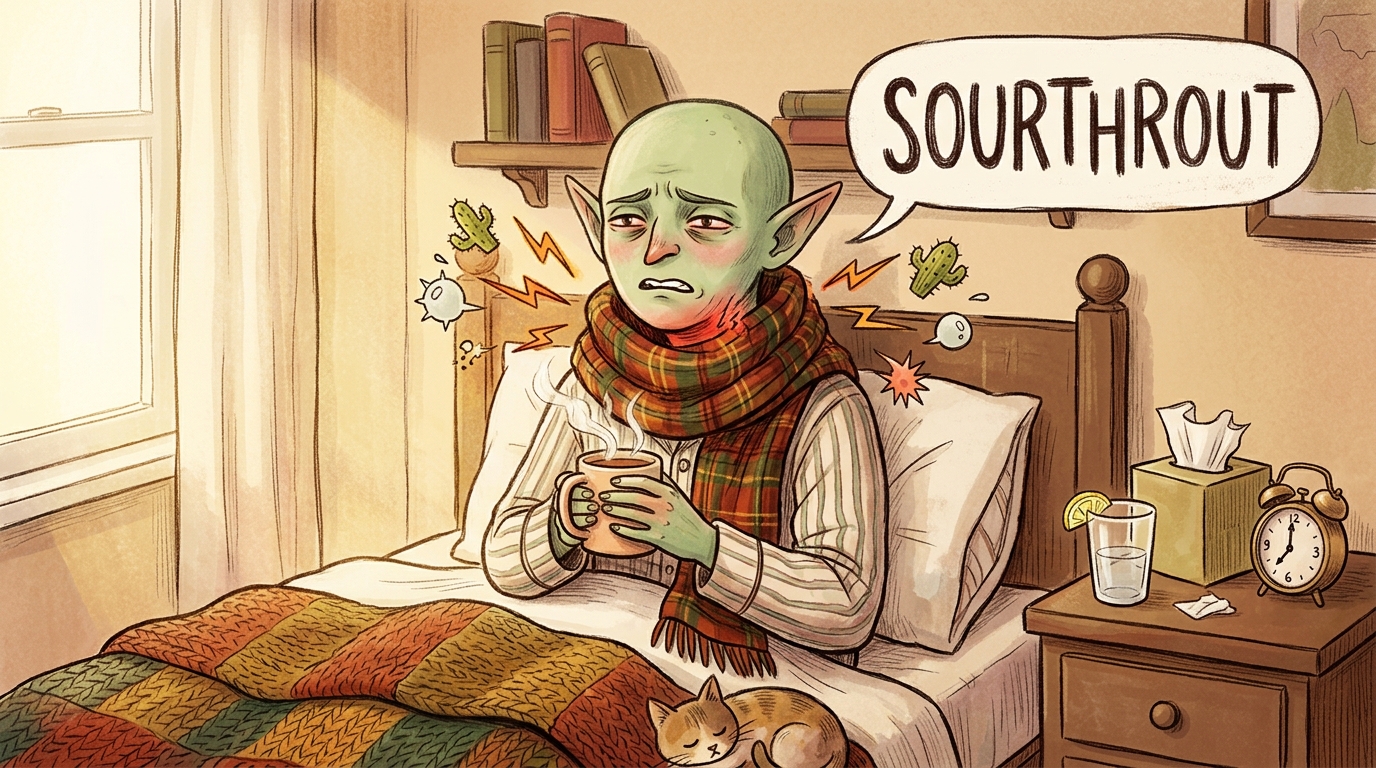
Sourthrout affects millions of people every year, causing discomfort that ranges from mild irritation to severe pain. This condition typically develops when the throat lining becomes inflamed due to infection, irritation, or environmental factors. Understanding what triggers this discomfort helps individuals respond quickly and choose the right treatment approach. Furthermore, recognizing early symptoms allows people to seek appropriate care before the condition worsens significantly. This article examines the common causes, typical symptoms, and effective relief strategies for this uncomfortable condition.
What Causes This Condition?
Several factors contribute to throat irritation, and identifying the root cause helps guide proper treatment decisions. Viral infections remain the most common trigger, accounting for the majority of cases people experience each year. Colds, flu, and other respiratory viruses often inflame the throat lining as they spread through the body. Bacterial infections, though less common, can also cause significant pain and typically require different treatment approaches. Streptococcal bacteria, for instance, cause a well-known infection that demands prompt medical attention and antibiotics.
Environmental irritants contribute heavily to throat discomfort as well, especially in people with sensitive respiratory systems. Dry air, particularly during winter months, strips moisture from the throat and creates persistent irritation. Similarly, exposure to smoke, pollution, or strong chemical fumes can trigger inflammation almost immediately after contact. Allergies represent another significant cause, since postnasal drip from allergic reactions constantly irritates the throat lining. Additionally, acid reflux can send stomach acid upward, burning delicate throat tissue and causing chronic discomfort over time.
Recognizing the Common Symptoms
Identifying symptoms early makes a noticeable difference in how quickly someone recovers from throat irritation. Pain represents the most obvious symptom, often described as scratchy, raw, or sharply uncomfortable during swallowing. Many people also notice difficulty swallowing food or liquids, which can make eating feel genuinely unpleasant. Swelling around the tonsils or throat tissue frequently accompanies this discomfort, sometimes making the area visibly red. Furthermore, a hoarse or muffled voice often develops alongside these other symptoms as inflammation spreads.
Other accompanying symptoms can include fever, headache, and general fatigue, particularly when a viral or bacterial infection exists. Swollen lymph nodes in the neck sometimes appear as the body fights off infection actively. Additionally, some individuals experience a persistent cough that worsens throat irritation further throughout the day. Nausea occasionally accompanies severe cases, especially in children who struggle more with swallowing discomfort. Recognizing these combined symptoms helps determine whether home care suffices or professional medical evaluation becomes necessary.
When Symptoms Signal Something More Serious
While most cases resolve within a week through rest and home care, certain warning signs deserve attention. Difficulty breathing represents a serious symptom that requires immediate medical evaluation without unnecessary delay. Similarly, an inability to swallow liquids or excessive drooling in children suggests a potentially dangerous underlying condition. High fever exceeding 101 degrees Fahrenheit, especially when combined with severe pain, warrants a doctor’s visit. Additionally, symptoms lasting longer than a week without improvement often indicate a need for professional diagnosis.
Blood in saliva or phlegm should never go ignored, since this symptom can point to more serious complications. A rash accompanying throat pain sometimes signals scarlet fever or another condition requiring prompt medical treatment. Consequently, monitoring symptoms carefully during the first few days helps determine whether escalation to professional care becomes necessary. Parents should stay especially vigilant when young children display these warning signs, since complications can develop faster.
Effective Home Remedies for Relief
Numerous home remedies provide meaningful relief for mild to moderate throat discomfort without requiring medical intervention. Warm salt water gargles remain one of the most effective and widely recommended treatments available today. Dissolving half a teaspoon of salt in warm water helps reduce swelling and soothe irritated tissue directly. Honey also offers natural relief, since its coating properties calm irritation while providing mild antibacterial benefits simultaneously. Adding honey to warm tea creates a comforting remedy that many people find genuinely soothing throughout the day.
Staying well-hydrated plays a crucial role in recovery, as fluids keep the throat moist and reduce irritation. Warm liquids, including broths and herbal teas, often feel more soothing than cold beverages during this time. Meanwhile, using a humidifier adds moisture to dry indoor air, preventing further irritation while sleeping at night. Over-the-counter lozenges can numb pain temporarily, offering short-term relief during particularly uncomfortable moments throughout the day. Additionally, resting the voice by speaking less allows inflamed tissue to heal without added strain or irritation.
Medical Treatments Worth Considering
When home remedies fail to provide adequate relief, medical treatments become necessary for proper symptom management and recovery. Over-the-counter pain relievers, such as ibuprofen or acetaminophen, help reduce both pain and accompanying fever effectively. These medications work well for mild to moderate discomfort, though they do not address any underlying infection directly. For bacterial infections, doctors typically prescribe antibiotics, which effectively eliminate the infection within several days of consistent use. However, antibiotics prove ineffective against viral infections, making accurate diagnosis essential before starting any prescribed treatment.
Doctors may also recommend corticosteroids in more severe cases, particularly when swelling significantly restricts breathing or swallowing. Additionally, throat sprays containing numbing agents can provide temporary relief, particularly during especially painful flare-ups throughout the day. In rare, recurring cases, doctors might suggest further testing to identify chronic causes, such as persistent acid reflux. Consequently, working closely with a healthcare provider ensures patients receive treatment tailored specifically to their individual situation.
Prevention Strategies That Actually Work
Preventing throat irritation proves far easier than treating it once symptoms fully develop and worsen over time. Washing hands frequently remains one of the simplest yet most effective ways to avoid viral and bacterial exposure. Avoiding close contact with sick individuals also reduces the likelihood of contracting contagious infections that trigger throat discomfort. Additionally, staying hydrated throughout the day helps maintain healthy mucous membranes, making the throat more resistant to irritation.
Using a humidifier during dry winter months prevents the throat from drying out while sleeping overnight. Furthermore, avoiding smoking and secondhand smoke exposure significantly reduces the risk of chronic throat irritation developing over time. For individuals with allergies, managing triggers through medication or environmental changes helps prevent postnasal drip from causing discomfort. Similarly, addressing acid reflux through dietary changes or medication prevents stomach acid from repeatedly irritating throat tissue. Consequently, combining these preventive strategies significantly lowers the overall risk of recurring throat problems.
Lifestyle Adjustments to Support Recovery
Beyond immediate remedies, certain lifestyle adjustments support faster healing and reduce the likelihood of recurring throat problems. Getting adequate sleep allows the immune system to function optimally, helping the body fight off infection efficiently. Eating soft, nutritious foods during recovery reduces strain on the throat while still providing essential energy and nutrients. Avoiding spicy, acidic, or overly crunchy foods prevents additional irritation to already sensitive throat tissue during healing.
Maintaining a balanced diet rich in vitamins, particularly vitamin C, supports immune function and speeds overall recovery time. Additionally, reducing stress levels helps the immune system perform better, since chronic stress can weaken the body’s natural defenses. Regular exercise, once symptoms improve, also supports long-term immune health and reduces susceptibility to future infections. Therefore, combining these lifestyle changes with proper medical care creates a comprehensive approach to both recovery and prevention.
Special Considerations for Children
Children often experience throat discomfort differently than adults, requiring parents to watch for specific symptoms carefully. Young children may struggle to articulate their pain clearly, instead showing signs through refusal to eat or drink. Fussiness, excessive crying, and difficulty sleeping often indicate discomfort in infants and toddlers who cannot communicate verbally. Additionally, children are more prone to complications from bacterial infections, making prompt medical evaluation particularly important for this age group.
Parents should encourage children to stay hydrated, even when swallowing feels uncomfortable during illness or recovery. Offering cold treats, such as popsicles, sometimes provides relief while encouraging children to maintain adequate fluid intake. Furthermore, consulting a pediatrician promptly when symptoms persist ensures children receive appropriate care without unnecessary delays. Since children’s immune systems differ from adults, professional guidance helps parents make informed decisions about treatment options.
Final Thoughts
Sourthrout affects nearly everyone at some point, but understanding its causes and symptoms makes managing it considerably easier. Throughout this article, we explored the various triggers behind this condition, along with common warning signs to watch. Additionally, we examined effective home remedies, medical treatments, and prevention strategies that support faster recovery. Ultimately, most cases resolve within a week through proper rest, hydration, and appropriate symptom management at home. Nevertheless, recognizing when professional medical care becomes necessary ensures more serious underlying conditions receive timely treatment. By combining preventive habits with informed care decisions, individuals can reduce both the frequency and severity of future episodes.