
 By zynmag
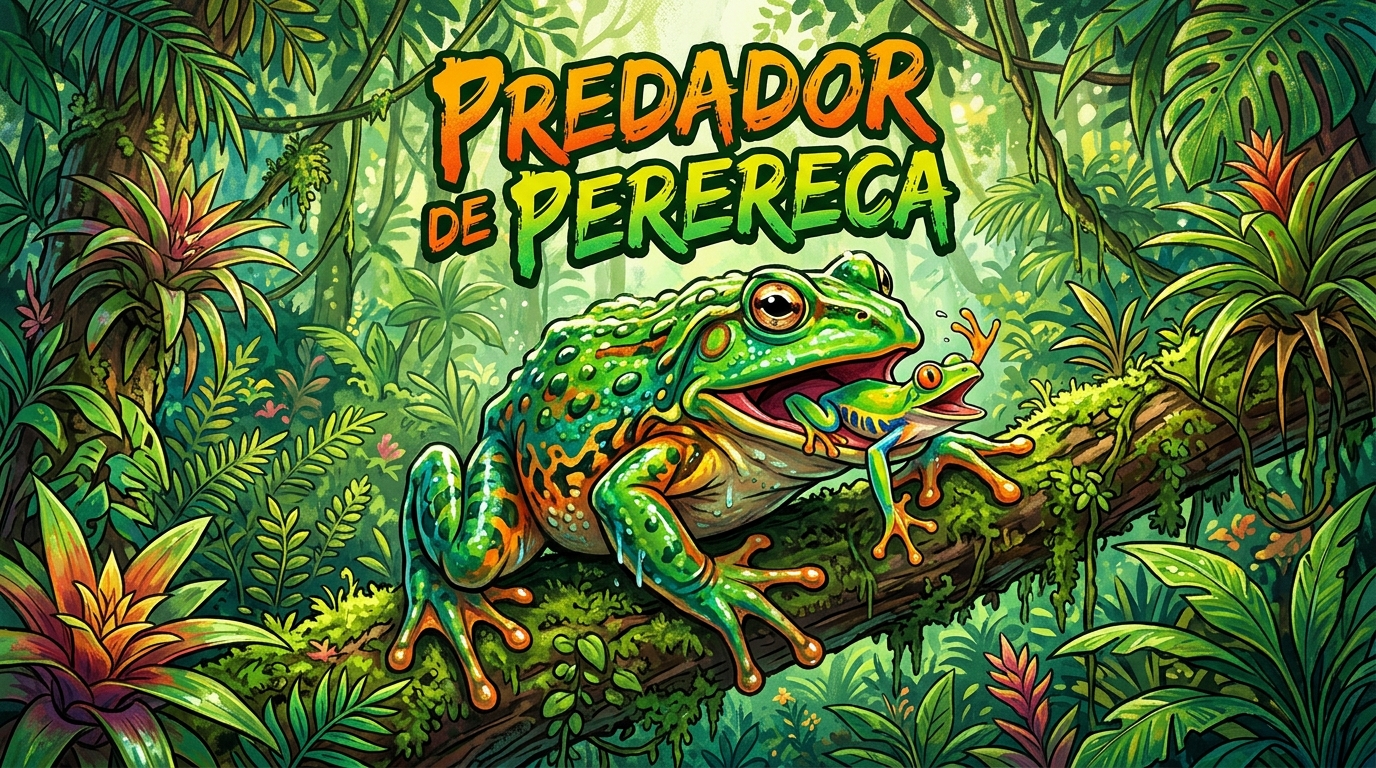
A decade-old Brazilian funk song suddenly became one of the most talked-about audio clips online, and most listeners had no idea why. “Predador De Perereca Lyrics English” first appeared in 2015 as a baile funk release by MC Jhey, a genre known for its heavy bass and blunt, often explicit lyrical style. For years, the track existed mainly within Brazil’s funk carioca scene, attracting millions of YouTube views without crossing into English-speaking internet culture. That changed dramatically in 2025, when an unexpected remix pushed the song into a completely different audience.
The Original 2015 Release
MC Jhey built the original track around the fast, rhythmic production typical of Brazilian funk carioca, a genre rooted in Rio de Janeiro’s favelas. Consequently, the song fit comfortably within a well-established musical tradition rather than standing out as unusual within Brazil itself. Baile funk often leans into blunt, provocative themes, and audiences familiar with the genre generally understood the track’s tone from the outset. The original video eventually collected tens of millions of views, which suggests solid popularity within its niche. However, the song remained largely confined to Portuguese-speaking listeners for nearly a decade, since language created a natural barrier to wider international attention.
The 2025 AI Remix That Changed Everything
Everything shifted when someone created an AI-generated remix that reimagined the track in a glossy, synth-heavy “1982”-style pop arrangement. This retro reinterpretation transformed the song’s sound entirely, swapping the original’s heavy funk production for something closer to catchy ’80s pop nostalgia. As a result, the remix appealed to an audience that had never encountered baile funk and had no context for the original Portuguese lyrics. The new version quickly gained traction on TikTok throughout mid-2025, racking up millions of views as users embraced its danceable, retro-pop energy. Meanwhile, the original 2015 track experienced a corresponding resurgence, since curious listeners began seeking out the source material behind the viral remix.
Why the Reaction Turned to Shock
The remix spread primarily among English-speaking TikTok users who enjoyed the melody without understanding the Portuguese lyrics underneath it. Consequently, many people danced along and shared clips purely because the song sounded catchy and nostalgic. However, the mood shifted noticeably once translations began circulating across social media platforms. Numerous users started sharing reaction videos showing their genuine surprise upon learning what the lyrics actually described. Some people even played the song for Portuguese-speaking friends or relatives specifically to capture their unfiltered reactions on camera. This gap between the song’s pleasant surface sound and its explicit underlying content became the core of its viral appeal.
A Broader Pattern in Viral Music Trends
This situation reflects a recurring pattern where songs travel across language barriers based purely on rhythm, melody, or mood rather than lyrical content. TikTok’s algorithm-driven discovery system often amplifies audio clips long before users understand what those clips actually say. Therefore, plenty of non-English songs have gone viral internationally simply because they sound appealing, regardless of their actual subject matter. Once translations enter the conversation, however, audiences sometimes experience a jarring realization about content they had unknowingly embraced. This particular case became especially notable because the contrast between the retro pop remix and the explicit original lyrics felt unusually stark to newcomers.
The Role of Music Journalism and Explainer Content
As the remix spread, various entertainment outlets and pop culture sites began publishing explainer pieces addressing the confusion. These articles typically aimed to clarify the song’s origins, its genre context within Brazilian funk, and why English speakers found the content so surprising. Consequently, this type of coverage helped provide cultural context that many casual listeners lacked entirely. Additionally, this kind of explainer content reflects a broader trend where viral internet moments generate their own secondary wave of media coverage. People often want to understand the “why” behind a trend after encountering it passively through their social feeds.
Cultural Context Matters
Baile funk carries its own cultural history within Brazil, shaped by the social and economic realities of favela life in Rio de Janeiro. Consequently, judging the genre purely through the lens of unfamiliar international listeners risks flattening a much richer cultural context. Genres like funk carioca have long served as an outlet for artistic expression among communities facing significant social challenges. Therefore, understanding this background helps explain why explicit content appears so frequently within the genre’s broader catalog. This doesn’t erase the surprise many English speakers felt, but it does provide useful framing for why the song exists as it does.
What This Says About Modern Virality
The trajectory of this song, from a 2015 regional release to a 2025 global TikTok moment, illustrates how quickly internet culture can resurrect older content. A single creative remix can completely change a song’s audience, reach, and cultural context almost overnight. Furthermore, this case demonstrates how easily music can spread across language barriers before audiences fully grasp what they’re engaging with. As AI tools continue making creative remixing more accessible, this pattern of decontextualized viral spread will likely become increasingly common. Ultimately, this story serves as a reminder that viral trends often move faster than the cultural context needed to understand them.
Final Thoughts
“Predador de Perereca” traveled an unusual path from a 2015 Brazilian funk release to an unexpected 2025 TikTok sensation. The AI-generated retro remix introduced the song’s melody to millions of new listeners who had no immediate context for its lyrics. Once translations surfaced, the resulting shock became a viral moment in its own right, generating reaction videos and explainer articles alike. This trajectory highlights how quickly modern internet culture can transform obscure regional content into a global talking point, often before audiences fully understand what they’re sharing.