
 By zynmag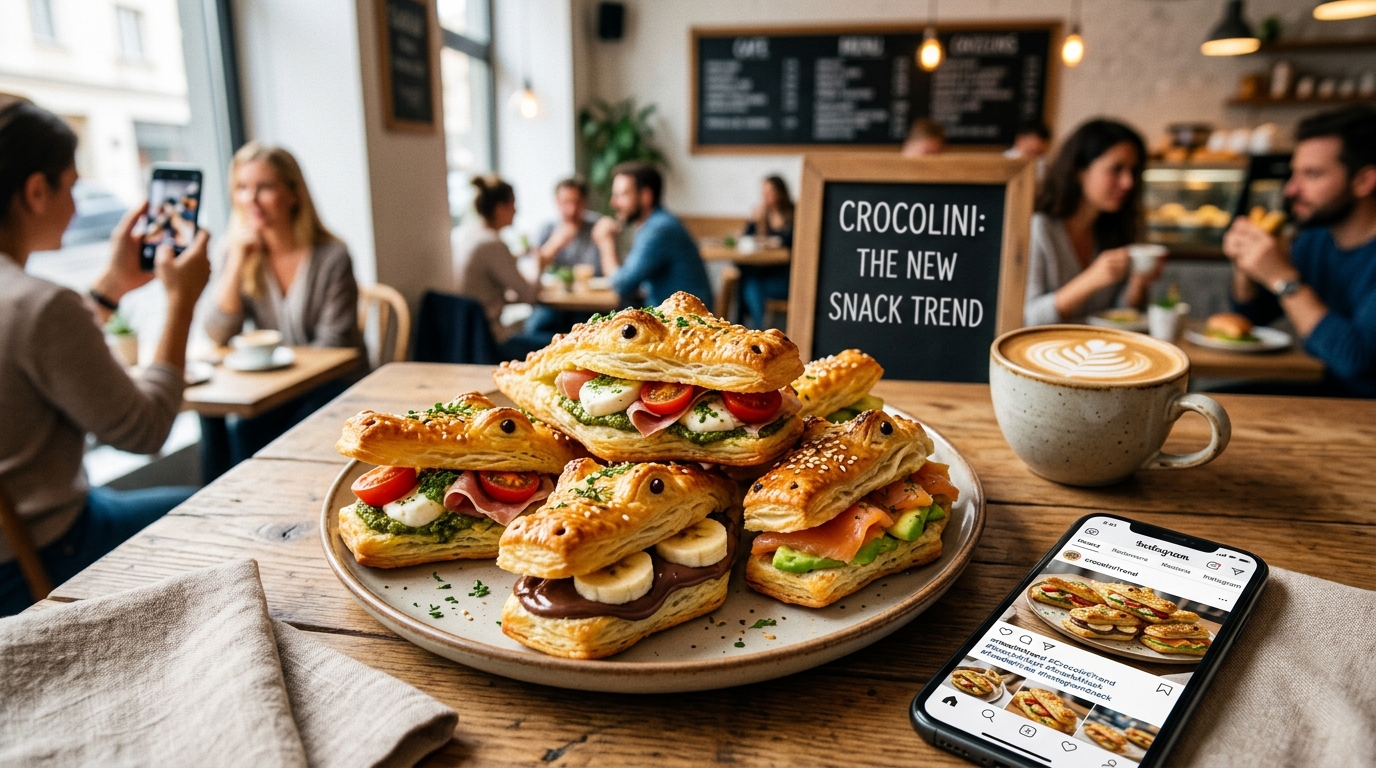
Crocolini has quietly worked its way into food blogs, recipe videos, and casual kitchen conversations recently. Many people first encounter the word through short-form videos before ever seeing the actual product. Naturally, curiosity follows, since the name sounds playful, Italian-inspired, and slightly mysterious all at once. This article explores what Crocolini actually represents, where the concept likely originated, and why it resonates so strongly with snack lovers. Additionally, we’ll examine practical ways people incorporate it into everyday meals, parties, and creative home cooking projects. By the end, readers will understand both the appeal and the flexibility behind this increasingly popular culinary trend.
What Exactly Is Crocolini?
Crocolini generally refers to small, crispy snack bites that combine crunchy textures with savory or sweet fillings. The name itself blends familiar culinary sounds, evoking words like “crocante,” meaning crunchy in Italian, alongside diminutive suffixes common in Italian food naming. Think of words like panini, zucchini, or grissini, all of which use similar linguistic patterns. Consequently, Crocolini sounds instantly familiar, even though it doesn’t correspond to one single, standardized traditional recipe. Instead, the term functions more like a flexible category, similar to how “sliders” describes many different small sandwich variations. Most versions feature a crispy outer layer, whether breaded, fried, or baked, surrounding a flavorful interior component. This adaptability explains why so many different recipes now claim the Crocolini name across various platforms and cuisines.
The Possible Origins Behind the Name
Tracing the exact origin of Crocolini proves tricky, since no single chef or brand claims definitive credit. However, several plausible explanations help illustrate how this kind of food trend typically emerges and spreads. First, home cooks and content creators often invent catchy names for existing recipes to boost shareability online. Second, small artisan snack brands frequently create Italian-sounding names to suggest authenticity, craftsmanship, and culinary sophistication. Third, social media algorithms reward visually appealing, easily pronounceable food names that feel both familiar and slightly exotic simultaneously. Given these factors, Crocolini likely emerged organically rather than tracing back to one specific historical or regional source. This origin story actually mirrors many modern food trends, where naming conventions matter just as much as the recipe itself. Ultimately, the playful branding contributes significantly to why people feel drawn toward trying it themselves.
Why Crocolini Appeals to Modern Snackers
Several cultural and practical factors explain why Crocolini resonates so strongly with today’s snacking audience. First, bite-sized portions align perfectly with current preferences for shareable, grazing-style eating rather than heavy, formal meals. Second, the contrast between crispy exteriors and soft, flavorful centers creates satisfying textural variety that keeps people interested. Third, Crocolini photographs beautifully, making it ideal content for visually driven platforms like Instagram and TikTok. Fourth, the name itself feels approachable yet sophisticated, appealing to people seeking elevated versions of familiar comfort foods. Fifth, home cooks appreciate how easily the basic concept adapts to whatever ingredients happen to be available locally. Whether someone prefers vegetarian, meat-based, or even dessert variations, the core technique remains flexible and forgiving. This combination of visual appeal, textural satisfaction, and adaptability explains much of its growing online popularity.
Common Variations and Flavor Combinations
Because Crocolini functions as a flexible concept rather than a fixed recipe, countless variations have emerged organically. Savory versions often feature mozzarella, prosciutto, or seasoned vegetables wrapped inside crispy, golden-brown exteriors. Some cooks incorporate sun-dried tomatoes, fresh basil, or roasted garlic to enhance traditional Italian flavor profiles further. Meanwhile, other creators experiment with global flavors, blending Crocolini techniques with Mexican, Korean, or Middle Eastern ingredients successfully. Sweet adaptations have also gained traction, featuring fillings like Nutella, fresh fruit, or sweetened ricotta cheese inside crispy shells. Bakers sometimes use phyllo dough or puff pastry instead of traditional breading, creating lighter, flakier textures throughout. Regardless of specific ingredients, most variations maintain that signature crunch-to-softness ratio that defines the entire category. This flexibility allows Crocolini to function equally well as an appetizer, party snack, or indulgent dessert option.
How to Make Crocolini at Home
Creating Crocolini at home requires minimal specialized equipment, making it accessible for cooks at nearly any skill level. Start by selecting your base filling, whether cheese, vegetables, meat, or a sweet alternative depending on preference. Next, wrap or encase the filling using dough, breadcrumbs, or pastry sheets to create the crispy outer structure. Afterward, cooks can choose between frying, baking, or air-frying methods depending on desired texture and health considerations. Frying typically produces the crispiest results, though baking offers a lighter alternative with less oil involved overall. Air fryers have become particularly popular for Crocolini preparation, since they balance crispiness with convenience and reduced cleanup. Once cooked, many recipes suggest serving with complementary dipping sauces, such as marinara, garlic aioli, or honey mustard. Experimenting with different fillings and cooking methods allows home cooks to personalize their own signature Crocolini variation easily.
Crocolini as a Party and Gathering Staple
Beyond casual snacking, Crocolini has increasingly become a popular choice for parties, gatherings, and social events. Hosts appreciate how easily the bite-sized format accommodates guests with different dietary preferences and restrictions simultaneously. Additionally, preparing multiple flavor varieties allows hosts to create an impressive, diverse spread without excessive cooking complexity. Because pieces are small, guests can sample several different options without feeling overly full or committed to one choice. This makes Crocolini particularly well-suited for cocktail parties, game day gatherings, and casual celebration settings. Furthermore, the visually appealing presentation naturally encourages social media sharing, which benefits hosts wanting memorable, photogenic spreads. Many catering companies and restaurants have also begun incorporating Crocolini-style items into their appetizer menus recently. This crossover from home kitchens into professional culinary settings further validates the trend’s lasting appeal and versatility.
Health Considerations and Lighter Alternatives
While traditional Crocolini often involves frying, health-conscious cooks have developed numerous lighter alternatives worth considering. Baking instead of frying significantly reduces overall fat content while still achieving a satisfyingly crispy exterior texture. Air frying offers another excellent alternative, using significantly less oil while maintaining much of that desirable crunch factor. Additionally, cooks can experiment with whole grain breading or almond flour coatings for added nutritional value. Choosing vegetable-based fillings over heavier meat or cheese options also helps reduce overall calorie density per serving. Portion control naturally comes built into the format, since individual pieces are small and easily measured. Moreover, pairing Crocolini with fresh, lighter dipping sauces instead of heavy, creamy options balances out the overall meal further. These adjustments allow people to enjoy the trend’s appealing textures and flavors without excessive guilt or dietary concerns.
The Role of Social Media in Popularizing Crocolini
Social media platforms have undeniably accelerated how quickly Crocolini spread from niche kitchens into mainstream food culture. Short-form video content allows creators to demonstrate the satisfying crunch and visual appeal within just seconds. Sound design, particularly the audible crispiness when biting into these snacks, plays a surprisingly significant role in engagement. Additionally, the relatively simple preparation process encourages viewers to attempt recreating recipes themselves rather than just watching passively. This participatory element fuels further content creation, as home cooks share their own personalized Crocolini variations online. Hashtag challenges and trending audio clips have also contributed to keeping the concept visible across multiple platforms simultaneously. Consequently, what began as scattered individual recipes gradually coalesced into a recognizable, shareable food trend with real staying power. This organic, community-driven growth pattern mirrors how many successful modern food trends ultimately gain widespread popularity.
Will Crocolini Have Lasting Staying Power?
Predicting whether any food trend will achieve long-term staying power always involves some inherent uncertainty and speculation. However, several factors suggest Crocolini might transcend typical short-lived social media food fads successfully. First, its flexible, adaptable nature allows continuous reinvention, preventing the format from feeling repetitive or stale quickly. Second, the underlying concept, crispy exteriors paired with flavorful fillings, taps into universally appealing culinary principles. Third, restaurants and catering businesses adopting the trend suggests growing commercial viability beyond purely social media popularity. Fourth, the relative simplicity of home preparation means people can continue enjoying it without specialized skills or equipment. That said, food trends inevitably evolve, and Crocolini may eventually transform into new names or variations entirely. Regardless of its exact future trajectory, the core technique behind it will likely continue influencing snack culture broadly.
Conclusion
Crocolini represents an engaging intersection of culinary creativity, social media influence, and genuine textural appeal that resonates widely. While its exact origins remain somewhat unclear, the trend’s flexibility and visual appeal explain its rapid popularity growth. From home kitchens to professional catering menus, this crispy snack format continues adapting across diverse culinary traditions successfully. Whether enjoyed as a quick snack, party appetizer, or indulgent dessert, Crocolini offers genuine versatility worth exploring. As food trends continue evolving rapidly across social platforms, Crocolini demonstrates how creative naming and satisfying textures drive lasting engagement. Anyone curious about modern snack culture will find genuine value in understanding and perhaps even attempting this trend.