
 By zynmag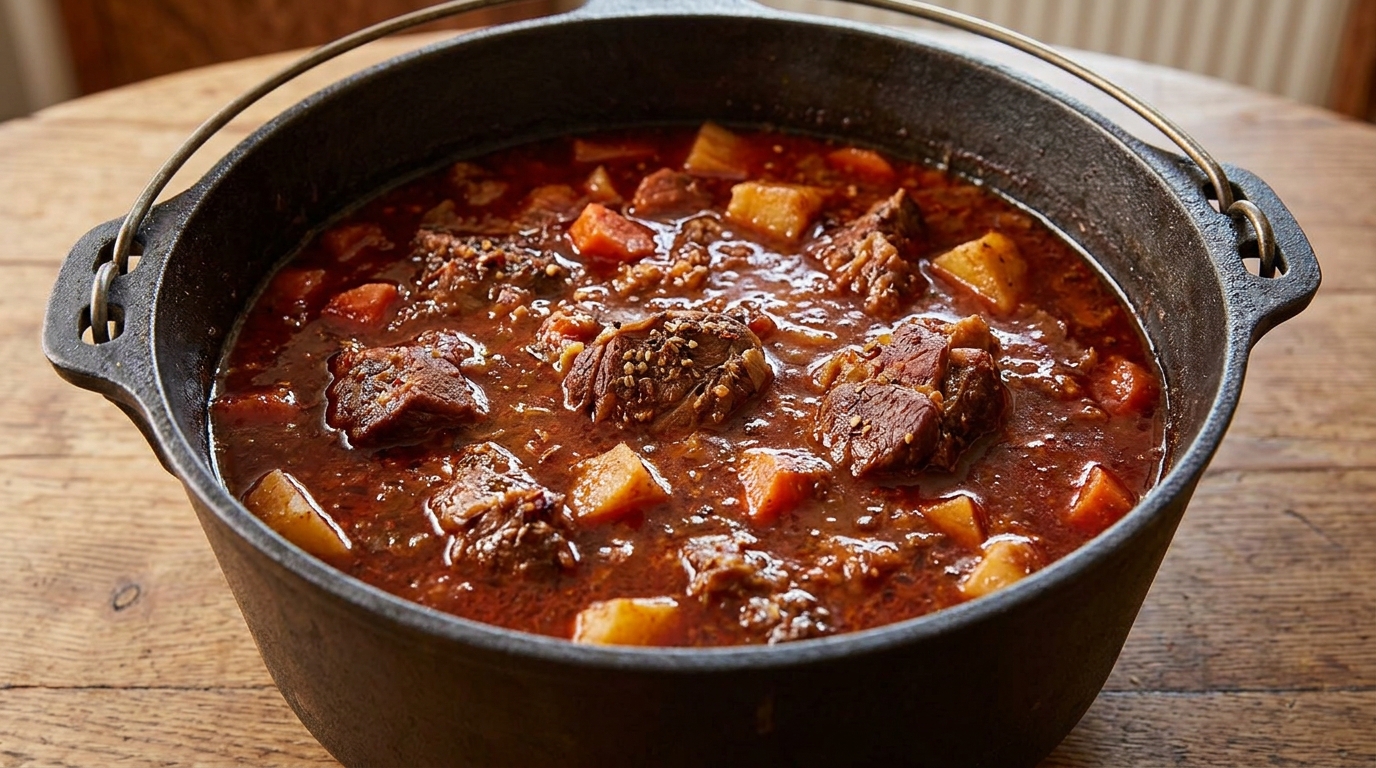
Every passionate home cook eventually discovers a dish that completely changes how they think about slow cooking. Authentic Cabrando stew represents exactly that kind of transformative culinary experience for anyone willing to try it. This deeply satisfying, richly layered dish combines humble ingredients with patient technique to produce something genuinely extraordinary on the table. Furthermore, once you understand its foundational principles, you will cook this rustic, soul-warming stew with growing confidence and personal flair.
What Is Cabrando Stew?
Before you fire up your stove, you need to understand what makes this particular stew distinct from other slow-cooked dishes. Cabrando stew belongs to a tradition of hearty, one-pot cooking that prioritizes depth of flavor over convenience or speed. Moreover, it draws on a philosophy that values every ingredient equally, treating cheap cuts and humble vegetables with the same respect as premium ones. Consequently, the dish rewards patience, attention, and a genuine willingness to let time do most of the heavy culinary lifting.
The Defining Characteristics of This Dish
Three qualities separate an authentic version of this stew from a generic pot of braised meat and vegetables. First, the flavor base develops through slow, careful layering rather than quick, high-heat cooking that shortcuts complexity. Additionally, the cooking liquid reduces gradually into a thick, glossy, intensely savory sauce that coats every ingredient beautifully. Furthermore, the finished stew achieves a balance between richness and brightness that prevents it from feeling heavy or one-dimensional on the palate.
Why Home Cooks Love Making It
Home cooks return to this stew repeatedly because it delivers restaurant-quality results without demanding professional skills or expensive equipment. Moreover, the process itself feels meditative and deeply satisfying, filling your kitchen with incredible aromas for hours. Unlike fussy, technically demanding dishes, this stew forgives small mistakes and actually improves with thoughtful improvisation over time. Therefore, both beginner cooks and experienced kitchen veterans find genuine pleasure and creative freedom in preparing it regularly.
Essential Ingredients for Authentic Cabrando Stew
The quality of your ingredients determines the ceiling of your finished dish, so choose each component with genuine care. Furthermore, authentic preparation does not require exotic or expensive items — it requires fresh, honest ingredients treated with proper respect.
Choosing the Right Meat
Meat selection represents your single most important decision when planning an authentic batch of this stew. You need a cut with sufficient fat, connective tissue, and bone to withstand several hours of gentle, sustained cooking. Moreover, chuck roast, bone-in short ribs, lamb shoulder, and bone-in goat meat all deliver the collagen-rich texture this stew demands. Therefore, avoid lean cuts like tenderloin or sirloin, which turn dry and stringy during the extended cooking time required.
Cut your chosen meat into generous two-inch cubes rather than smaller pieces that dissolve during long braising sessions. Additionally, bone-in cuts contribute enormous flavor to the cooking liquid, so include them whenever your butcher makes them available. Furthermore, ask your butcher for any marrow bones to add alongside the main meat for extra richness and body. Consequently, the extra collagen these bones release thickens the sauce naturally without requiring any artificial thickeners or cornstarch.
Building Your Aromatic Foundation
Every great stew begins with a carefully constructed aromatic foundation that establishes the flavor direction of the entire dish. You will need yellow onions, celery, carrots, and garlic as your primary aromatics for a classically balanced base. Moreover, leeks add a gentle sweetness that rounds out the sharper edges of onion without competing aggressively with other flavors. Additionally, a whole head of garlic, broken into unpeeled cloves, contributes mellow, nutty depth when it roasts slowly in the pot.
Selecting Your Cooking Liquid
The cooking liquid carries and amplifies every flavor you build during the earlier stages of preparation, so choose it thoughtfully. A full-bodied red wine contributes acidity, tannin, and complexity that water or plain stock cannot provide independently. Furthermore, use a wine you would genuinely enjoy drinking rather than a cheap cooking wine that tastes flat and harsh. Additionally, combine your wine with good-quality beef or chicken stock to achieve the right volume and balanced savory depth.
Tomatoes play a crucial supporting role, providing natural acidity that brightens the rich, heavy flavors of meat and fat. Use canned whole San Marzano tomatoes, crushing them by hand directly into the pot for the best textural results. Moreover, a spoonful of good tomato paste, cooked briefly in the fat before adding liquid, intensifies the tomato presence significantly. Therefore, never skip this step, as tomato paste adds a concentrated, almost caramelized quality that fresh or canned tomatoes alone cannot achieve.
Herbs and Spices That Define the Flavor Profile
Fresh thyme, bay leaves, rosemary, and flat-leaf parsley form the classical herb combination that gives this stew its characteristic aroma. Furthermore, tie your fresh herbs into a bouquet garni bundle with kitchen twine for easy removal before serving the finished stew. Whole black peppercorns, dried chili flakes, smoked paprika, and a pinch of ground cloves add warmth and complexity to the spice profile. Moreover, add a strip of orange peel during the final hour of cooking for a subtle, mysterious citrus note that surprises and delights.
Vegetables That Complete the Dish
Root vegetables join the stew during the final forty-five minutes to prevent them from dissolving into mush over long cooking. Waxy potatoes, turnips, parsnips, and whole pearl onions all hold their shape beautifully and absorb surrounding flavors magnificently. Additionally, mushrooms — whether cremini, shiitake, or dried porcini reconstituted in warm water — add an earthy, umami-rich dimension to the finished stew. Therefore, always add your mushroom soaking liquid to the pot as well, since it concentrates extraordinary depth of flavor.
Equipment You Will Need
You do not need specialized professional equipment to produce an authentic, deeply satisfying version of this stew at home. Nevertheless, the right basic tools make the process significantly smoother and produce measurably better results overall.
The Essential Heavy-Bottomed Pot
A large Dutch oven or heavy-bottomed braising pot represents the single most important piece of equipment for this recipe. Furthermore, the thick walls and tight-fitting lid create the even, moist heat environment that slow-cooked stews absolutely require. Cast iron Dutch ovens retain and distribute heat exceptionally well, preventing hot spots that scorch ingredients unevenly. Consequently, if you own only one heavy pot, this stew will quickly become your primary justification for keeping it.
Supporting Tools for Smooth Preparation
A sharp chef’s knife makes cutting meat and vegetables into uniform pieces faster, safer, and more enjoyable throughout prep. Additionally, a wooden spoon with a long handle protects your hands from steam and heat during frequent stirring sessions. Furthermore, a fine-mesh strainer helps you skim fat from the surface of the cooking liquid efficiently during long simmering periods. Therefore, gather all your tools before you begin cooking and arrange your workspace logically to minimize stress during preparation.
Step-by-Step Cooking Method
The cooking process for this stew unfolds in distinct stages, each building deliberately on the previous one for maximum flavor development. Moreover, respecting these stages separates a merely acceptable stew from a genuinely extraordinary one that people remember for years.
Stage One: Seasoning and Searing the Meat
Remove your meat from the refrigerator at least thirty minutes before cooking to allow it to reach room temperature evenly. Furthermore, pat each piece completely dry with paper towels, as surface moisture prevents proper browning and flavor development. Season generously with sea salt and freshly cracked black pepper on all sides, pressing the seasoning firmly into the meat. Consequently, this surface seasoning creates the flavorful crust that anchors the entire flavor development of the finished stew.
Heat two tablespoons of neutral oil or good lard in your Dutch oven over high heat until it shimmers visibly. Working in small batches, sear the meat pieces without crowding them, allowing each side two to three undisturbed minutes. Moreover, resist the urge to move the meat before a proper crust forms — patience at this stage pays enormous dividends later. Furthermore, transfer each seared batch to a plate and repeat until you brown every piece of meat thoroughly.
Stage Two: Building the Aromatic Base
Pour off all but two tablespoons of fat from the pot, leaving the browned bits stuck to the bottom untouched. Add your diced onions, celery, and carrots directly to the hot fat and cook them over medium heat for eight minutes. Furthermore, stir them regularly to prevent burning while allowing gentle caramelization to develop natural sweetness in the vegetables. Additionally, add your garlic cloves and leeks during the final two minutes, stirring them into the softened vegetables gently.
Push the aromatics to the sides of the pot and add your tomato paste directly to the cleared center space. Cook the tomato paste for two full minutes, stirring constantly until it darkens slightly and smells rich and concentrated. Moreover, this brief cooking step removes the raw, metallic edge from the tomato paste and develops its natural sugars beautifully. Consequently, this small but critical step transforms the entire flavor foundation of your finished stew significantly.
Stage Three: Adding Liquid and Building the Braise
Pour your red wine directly into the pot and scrape the bottom vigorously with your wooden spoon to release all browned bits. Furthermore, those caramelized bits — called fond — contain some of the most concentrated flavor in the entire recipe. Allow the wine to bubble actively for three minutes, reducing slightly before you add the remaining liquid. Additionally, add your crushed tomatoes, stock, whole herb bundle, spices, and orange peel at this stage.
Return all your seared meat to the pot and ensure the liquid covers approximately two-thirds of the meat’s height. Moreover, do not fully submerge the meat, as you want the uncovered portion to braise in steam rather than boil in liquid. Bring the entire contents to a gentle boil, then immediately reduce the heat to the lowest simmer your stove allows. Therefore, the liquid should barely bubble — just an occasional lazy blip breaking the surface every few seconds throughout cooking.
Stage Four: The Long, Patient Braise
Cover the pot with its lid and allow the stew to braise undisturbed for two and a half to three hours minimum. Furthermore, check it every forty-five minutes, turning the meat gently and ensuring the liquid level remains sufficient throughout. If the liquid reduces too aggressively, add small amounts of warm stock rather than cold water, which shocks the cooking process. Additionally, after two hours, taste the cooking liquid and adjust the seasoning with salt, pepper, and a pinch of sugar if needed.
Stage Five: Adding Vegetables and Finishing
Add your prepared root vegetables — potatoes, turnips, and parsnips — during the final forty-five minutes of cooking time. Furthermore, add your mushrooms and any reconstituted dried mushrooms along with their strained soaking liquid at the same moment. Moreover, remove the bouquet garni bundle and the orange peel strip before adding the vegetables to prevent bitterness. Consequently, the vegetables cook gently in the richly flavored liquid, absorbing its complexity while contributing their own earthy sweetness.
During the final ten minutes, stir in a handful of freshly chopped flat-leaf parsley for brightness and color. Furthermore, taste the finished stew one final time and make any last seasoning adjustments before bringing it to the table. Additionally, a small squeeze of fresh lemon juice stirred in at this stage lifts the entire flavor profile remarkably well. Therefore, never skip this final brightening step, as it makes the difference between a good stew and an exceptional one.
Common Mistakes to Avoid
Even experienced cooks occasionally make errors that undermine the quality of their finished stew unnecessarily. Moreover, understanding these pitfalls helps you navigate around them with confidence from your very first attempt onward.
Rushing the Searing Stage
Many home cooks crowd the pan during searing, causing the meat to steam rather than develop a proper brown crust. Furthermore, steamed meat lacks the deep, complex flavors that only high-heat caramelization produces on the meat’s surface. Therefore, always sear in small batches, even if it requires patience and additional time during the preparation stage. Consequently, the extra effort at this early stage pays compound dividends throughout the entire remaining cooking process.
Cooking at Too High a Temperature
Simmering too aggressively turns your meat tough and stringy rather than producing the falling-apart tenderness everyone desires. Moreover, high heat causes proteins to contract and squeeze moisture out rather than gently relaxing into silky, tender submission. Therefore, maintain the lowest possible simmer throughout the entire braising period without exception or shortcut. Furthermore, if your oven runs evenly at low temperatures, finishing the braise in a 300°F oven often produces more reliable results than stovetop cooking.
Serving Your Cabrando Stew
Serve this stew in wide, deep bowls that showcase its gorgeous color and generous ingredient variety beautifully. Furthermore, crusty sourdough bread, creamy polenta, buttered egg noodles, or simple steamed white rice all make excellent accompaniments. Additionally, a simple green salad dressed with sharp vinaigrette provides welcome contrast to the stew’s rich, warming depth. Moreover, a glass of the same red wine you cooked with pairs predictably but perfectly with every hearty, satisfying spoonful.
Storing and Reheating Leftovers
This stew tastes noticeably better on the second and third days as the flavors continue melding and deepening overnight. Furthermore, store leftovers in airtight containers in the refrigerator for up to four days without any quality loss. Additionally, reheat gently over low heat with a splash of stock to loosen the sauce back to its original consistency. Consequently, making a large batch on weekends provides several days of extraordinary meals with virtually no additional effort whatsoever.
Final Thoughts on Mastering This Dish
Authentic Cabrando stew teaches you something profound about the relationship between time, patience, and genuine culinary reward. Furthermore, every step in this process exists for a specific reason, and honoring each one builds your skills and understanding simultaneously. Moreover, the dish evolves with every batch you make, reflecting your growing intuition, taste memory, and personal cooking style. Therefore, start cooking today, embrace the process wholeheartedly, and discover exactly why this remarkable stew deserves a permanent place in your home kitchen repertoire.