
 By zynmag
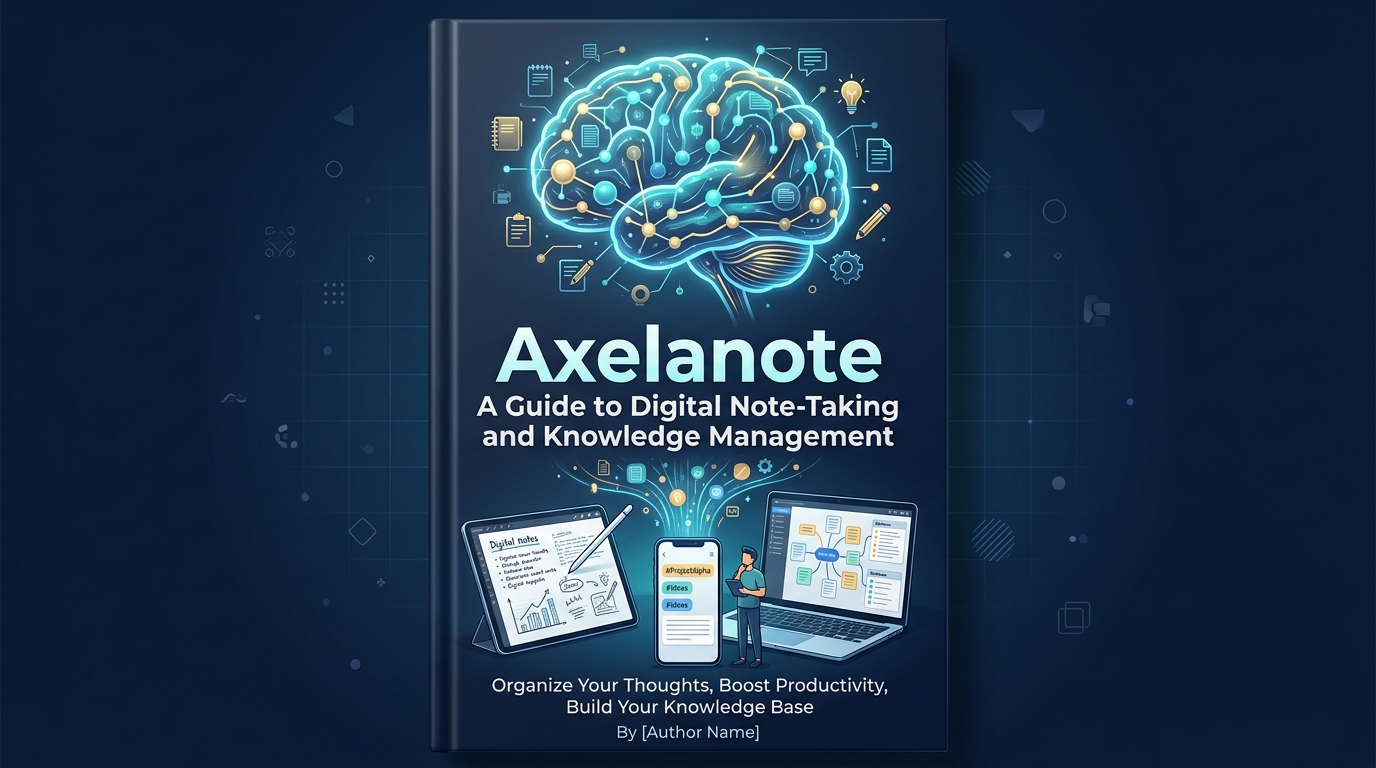
Axelanote reflects a broader shift toward digital note-taking systems that help people capture, organize, and retrieve information efficiently. Consequently, more students and professionals are moving away from scattered paper notes toward structured digital workflows. This transition matters because information overload has become a common challenge in both academic and workplace settings. Therefore, this article explores the core principles behind effective digital note-taking, drawing on concepts often associated with tools like Axelanote. Whether you currently rely on scattered notebooks or a messy folder of digital files, the strategies below offer a practical path toward better organization.
Why Digital Note-Taking Systems Matter
Traditional note-taking methods often break down once the volume of information grows too large to manage. Handwritten notes get lost, notebooks fill up, and finding a specific idea from months ago becomes nearly impossible. In contrast, digital systems solve this problem by making notes searchable, taggable, and instantly retrievable. As a result, people spend less time hunting for information and more time actually using it.
Moreover, digital note-taking supports a wider range of content types than paper ever could. Users can embed images, links, and even audio clips alongside written text, creating richer, more useful records. Additionally, cloud-based storage means notes remain accessible across multiple devices, whether someone is working from a laptop, tablet, or phone. Consequently, the barrier between capturing an idea and acting on it shrinks considerably.
Building an Effective Tagging and Organization System
A strong tagging system forms the backbone of any useful note-taking approach. Rather than relying solely on folders, which force notes into rigid, single categories, tags allow one note to belong to multiple relevant groups simultaneously. For example, a note about a work project could carry tags for the client, the project phase, and the specific task involved. Therefore, retrieving that note later becomes far easier, regardless of which angle you approach it from.
Consistency matters enormously when building a tagging habit. Using the same tag names repeatedly, rather than creating slight variations each time, keeps the system from becoming cluttered and confusing. Additionally, periodically reviewing and consolidating tags prevents the list from growing unmanageably large over time. Some people find it helpful to establish a small set of core tags early on, then expand only when a genuine new category emerges.
Beyond tags, hierarchical organization still has its place. Grouping notes by broad subject areas, such as separating personal notes from professional ones, provides a useful high-level structure. However, combining this broader structure with flexible tagging typically produces the most functional system overall.
The Role of Search in Modern Note-Taking
Search functionality has transformed how people interact with large collections of notes. Instead of manually browsing through folders, users can simply type a keyword and instantly surface every relevant note. This capability becomes increasingly valuable as a note collection grows into the hundreds or thousands of entries. Consequently, strong search tools reduce the cognitive burden of remembering exactly where information was stored.
Effective search depends heavily on how notes are written in the first place. Using clear, descriptive titles rather than vague labels makes search results far more useful. Similarly, including relevant keywords naturally within the body of a note improves the odds of finding it later through a simple search query. Therefore, small habits formed during the note-taking process pay dividends when retrieving information weeks or months down the line.
Advanced search features, such as filtering by date, tag, or content type, add another layer of precision. These tools allow users to narrow results quickly, even within extensive archives. As digital note-taking systems continue to evolve, search capability remains one of the most important factors separating genuinely useful tools from ones that simply store information passively.
Multimedia Integration and Rich Content
Modern note-taking extends well beyond plain text. Embedding images directly into notes helps preserve visual information, such as diagrams, handwritten sketches, or photographs of physical documents. This capability proves especially useful for students capturing lecture slides or professionals documenting whiteboard sessions during meetings.
Video and audio integration further expand what a single note can contain. A recorded voice memo, for instance, can capture spoken ideas quickly during moments when typing feels impractical. Meanwhile, embedded links allow notes to connect directly to external resources, articles, or reference materials without requiring users to leave their note-taking environment. Consequently, notes evolve from simple text records into comprehensive hubs of contextual information.
This richness supports different learning and working styles as well. Visual thinkers benefit from image-heavy notes, while auditory learners may prefer voice recordings. Because everyone processes information differently, the flexibility to combine multiple content types within a single system makes digital note-taking considerably more adaptable than traditional paper methods.
Collaboration and Shared Knowledge Bases
Note-taking increasingly extends beyond individual use into collaborative and team environments. Shared digital notes allow multiple people to contribute, edit, and reference the same information simultaneously. This capability proves particularly valuable during group projects, team meetings, or shared research efforts, where centralized information prevents miscommunication.
Real-time editing features enhance this collaborative potential further. When team members can see updates as they happen, coordination improves significantly compared to emailing separate document versions back and forth. Additionally, commenting and feedback tools embedded directly within notes streamline communication, keeping discussions attached to the relevant context rather than scattered across separate messaging threads.
Shared folders and organized knowledge bases also help teams maintain institutional memory over time. Rather than losing valuable insights when a project ends or a team member leaves, well-organized shared notes preserve that knowledge for future reference. Therefore, collaborative note-taking systems function not just as productivity tools but as long-term repositories of organizational knowledge.
Connecting Notes to Build Deeper Understanding
One of the more advanced techniques in digital note-taking involves linking related notes together. Rather than treating each note as an isolated entry, users can create connections between ideas, building a network of interrelated concepts. This approach mirrors how human memory naturally works, associating new information with existing knowledge rather than storing it in complete isolation.
Building these connections often reveals patterns that might otherwise go unnoticed. For instance, linking notes from different projects or subjects can highlight recurring themes or unexpected relationships between ideas. Consequently, this technique proves especially valuable for research, academic study, or any work requiring synthesis across multiple sources of information.
Visual mapping tools, which display these connections graphically, add another layer of clarity. Seeing how notes relate to one another spatially can spark insights that a simple list view might miss entirely. As a result, many people find that connected note-taking systems deepen their understanding rather than simply organizing information more neatly.
Integrating Note-Taking Tools with Daily Workflows
A note-taking system only proves useful if it fits naturally into someone’s daily routine. Therefore, integration with other commonly used tools matters considerably. Syncing notes with calendar applications, for example, allows meeting notes to connect directly with scheduled events, creating a seamless record of what was discussed and when.
Mobile accessibility plays an equally important role in modern workflows. Since ideas often strike at inconvenient moments, having the ability to quickly capture a thought on a smartphone ensures nothing gets lost. Additionally, syncing across devices means a note started on a laptop remains accessible and editable later from a tablet or phone without any friction.
Connecting note-taking systems with task management tools further streamlines productivity. When action items from a meeting note can convert directly into trackable tasks, the gap between capturing information and acting on it narrows considerably. Consequently, well-integrated systems reduce the mental overhead of juggling multiple separate applications throughout the day.
Developing Sustainable Note-Taking Habits
Even the most powerful note-taking system fails without consistent use. Building a sustainable habit starts with keeping the process simple enough to maintain daily. Overly complex systems, while impressive in theory, often collapse under their own weight once real-world busyness sets in.
Regularly reviewing and refining notes strengthens retention and keeps the system useful over time. Rather than letting notes accumulate indefinitely without revisiting them, scheduling periodic review sessions helps reinforce learning and surfaces outdated or irrelevant information that can be archived or deleted. Additionally, starting with a minimal structure and expanding only as genuine needs arise tends to produce more durable habits than adopting an elaborate system all at once.
Ultimately, the best note-taking approach is the one a person actually uses consistently. Therefore, experimenting with different organizational methods, tagging strategies, and tools helps identify what genuinely fits an individual’s thinking style and daily routine.
Final Thoughts
Digital note-taking systems, including the concepts associated with Axelanote, offer powerful ways to capture, organize, and retrieve information in an increasingly complex world. From tagging and search functionality to multimedia integration and collaborative features, these tools address real challenges that traditional methods struggle to solve. As information continues to grow in volume and complexity, building thoughtful, sustainable note-taking habits becomes increasingly valuable for students and professionals alike. By focusing on consistency, connection, and integration with daily workflows, anyone can develop a system that genuinely supports better thinking and long-term knowledge retention.