
 By zynmag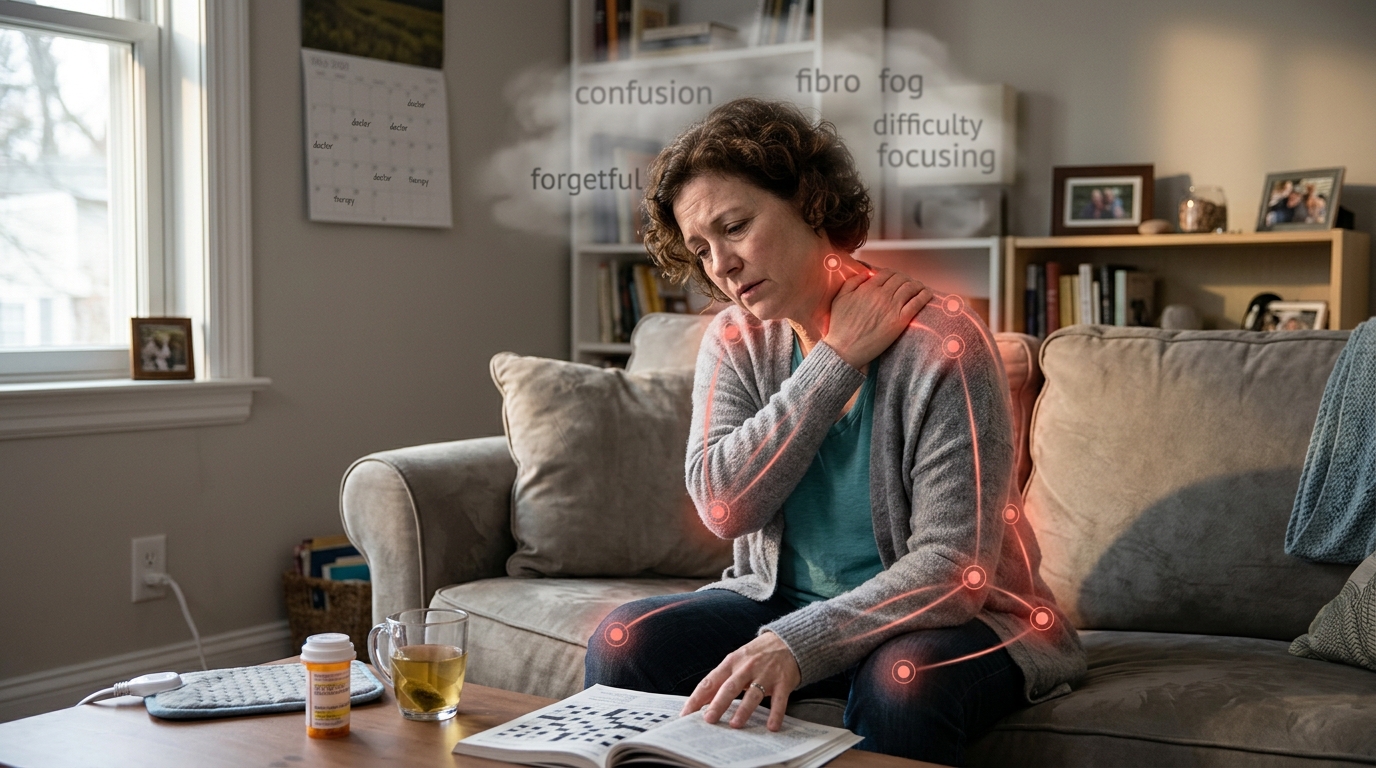
Inomyalgia is a chronic pain condition that affects muscles, connective tissues, and the body’s overall pain processing system in significant ways. Furthermore, it shares several characteristics with fibromyalgia and myofascial pain syndrome, making accurate diagnosis genuinely challenging for many healthcare providers. This guide explores everything you need to know about recognizing, understanding, and managing this condition effectively and compassionately.
Understanding What Inomyalgia Actually Is
Many people confuse this condition with other musculoskeletal disorders because the symptoms overlap considerably. Specifically, it involves persistent muscle pain, fatigue, and heightened sensitivity across multiple body regions simultaneously. Additionally, the nervous system plays a central role in amplifying pain signals beyond what the physical tissue damage alone would typically cause.
Researchers describe this condition as a central sensitization disorder. This means the brain and spinal cord begin processing pain signals with unusual intensity and frequency. Consequently, everyday sensations that healthy individuals barely notice can feel genuinely overwhelming to someone living with this condition.
Moreover, it does not show up on standard imaging tests like X-rays or MRIs in most cases. This invisibility often leads to frustration, disbelief, and delayed diagnosis for many sufferers. Therefore, understanding its nature requires moving beyond conventional diagnostic frameworks and embracing a more nuanced clinical approach.
Importantly, this is not a psychological condition in the dismissive sense some people imply. Rather, it involves real neurological and physiological changes that researchers continue to study and document. Consequently, patients deserve both clinical respect and evidence-based care throughout their diagnostic and treatment journey.
Common Symptoms That Patients Experience
Recognizing the symptom profile of this condition helps both patients and clinicians move toward faster and more accurate identification. Specifically, widespread muscle pain that persists beyond three months represents the most defining symptom of this disorder. Furthermore, this pain often shifts location, intensifying in different areas on different days without obvious pattern or cause.
Fatigue is another dominant feature that patients consistently report across all age groups. Additionally, this fatigue differs from ordinary tiredness — it feels deep, unrestorative, and resistant to even adequate amounts of sleep. Many patients describe waking up feeling as exhausted as they did when they went to bed.
Sleep disturbances accompany the fatigue in a frustrating cycle that feeds itself continuously. Moreover, poor sleep worsens pain sensitivity, which in turn disrupts sleep further, creating a feedback loop that undermines recovery. Therefore, addressing sleep becomes one of the earliest and most critical priorities in effective treatment planning.
Cognitive difficulties, commonly called brain fog, also affect a significant portion of patients dealing with this condition. Specifically, people struggle with memory, concentration, word retrieval, and mental clarity on a daily basis. Furthermore, this cognitive dimension adds considerable distress on top of the physical symptoms already burdening the individual.
Other symptoms include headaches, irritable bowel syndrome, heightened sensitivity to light and sound, and mood disturbances. Additionally, many patients report temperature sensitivity, tingling sensations, and an overall feeling of systemic fragility. Consequently, the full symptom picture is wide-ranging and highly individual in its specific presentation.
What Causes This Condition to Develop
Understanding causation in chronic pain conditions is rarely straightforward, and this one proves no exception to that rule. Specifically, no single identifiable cause triggers this condition in every patient who develops it. Furthermore, researchers believe a combination of genetic, neurological, psychological, and environmental factors all contribute meaningfully.
Genetics appears to play a meaningful role in predisposing certain individuals to central sensitization disorders. Additionally, family histories of chronic pain conditions, anxiety disorders, or autoimmune diseases appear more frequently among affected patients. Therefore, a biological vulnerability likely exists before environmental triggers ever enter the picture.
Physical trauma, particularly injuries to the spine or musculoskeletal system, frequently precedes the onset of this condition. Moreover, the body’s prolonged inflammatory response to injury can sometimes trigger lasting changes in how the nervous system processes pain signals. Consequently, what begins as an acute injury can evolve into a chronic pain syndrome over months or years.
Emotional trauma and prolonged psychological stress also function as significant contributing factors in many patients. Specifically, adverse childhood experiences, post-traumatic stress disorder, and chronic anxiety all appear at elevated rates among those who develop this condition. Furthermore, the mind-body connection in pain processing is far more direct and physiological than many people traditionally assume.
Infections have also been identified as potential triggers in some cases. Additionally, viral illnesses that cause widespread muscle aching sometimes appear to initiate or dramatically worsen the condition’s onset. Consequently, clinicians increasingly recognize post-infectious syndromes as one legitimate pathway into chronic widespread pain.
How Doctors Diagnose This Condition
Diagnosis remains one of the most challenging aspects of managing this condition for both patients and healthcare providers. Specifically, there is currently no definitive blood test, imaging study, or biopsy that confirms its presence conclusively. Furthermore, diagnosis relies heavily on clinical evaluation, patient history, and the systematic exclusion of other conditions.
Clinicians typically begin by conducting a thorough review of the patient’s symptom history and physical experience. Additionally, they perform a careful physical examination to assess tender points, muscle tone, and neurological responses. Therefore, the quality and attentiveness of the clinical interview matters enormously in reaching an accurate diagnosis.
Ruling out conditions with similar presentations is a critical part of the diagnostic process. Specifically, rheumatoid arthritis, lupus, hypothyroidism, multiple sclerosis, and ankylosing spondylitis all require exclusion before this diagnosis becomes appropriate. Moreover, some patients carry more than one diagnosis simultaneously, which adds further complexity to the clinical picture.
The widespread pain index and symptom severity scale provide useful standardized tools for clinicians during evaluation. Additionally, these tools help quantify what patients often struggle to describe precisely in everyday language. Consequently, structured questionnaires improve both diagnostic accuracy and communication between patient and provider.
Patients frequently visit multiple specialists before receiving a clear and confident diagnosis. Furthermore, this diagnostic delay causes significant emotional distress and sometimes leads people to question their own experience. Therefore, clinicians who approach this condition with knowledge and openness make a profound difference in patient outcomes.
Treatment Options and Management Strategies
Managing this condition requires a comprehensive, multi-disciplinary approach that addresses physical, psychological, and lifestyle factors simultaneously. Specifically, no single treatment eliminates all symptoms for every patient, making personalized care plans essential. Furthermore, successful management typically involves combining several complementary strategies rather than relying on any one intervention alone.
Medications That Healthcare Providers Commonly Recommend
Certain medications help reduce pain intensity and improve daily function for many patients dealing with this condition. Specifically, low-dose tricyclic antidepressants like amitriptyline help improve sleep quality and reduce the nervous system’s overall pain sensitivity. Additionally, drugs like duloxetine and milnacipran work on serotonin and norepinephrine pathways to reduce centrally mediated pain.
Pregabalin and gabapentin target nerve-related pain signals and often provide meaningful relief for patients with significant neurological symptoms. Moreover, muscle relaxants can address the painful muscle spasms that frequently accompany widespread musculoskeletal discomfort. Therefore, medication choices depend heavily on which symptoms dominate the individual patient’s experience.
Non-steroidal anti-inflammatory drugs provide limited benefit for most patients because the core problem is neurological rather than primarily inflammatory. Nevertheless, they sometimes help manage localized acute flare-ups alongside other treatments. Consequently, providers use them selectively rather than as a primary long-term strategy.
Physical Therapy and Movement-Based Interventions
Physical therapy plays a genuinely important role in building strength, flexibility, and pain tolerance over time. Specifically, a skilled physical therapist designs graduated exercise programs that challenge the body without triggering overwhelming flare-ups. Furthermore, consistency with gentle movement often produces meaningful improvements in pain levels and physical function after several weeks.
Low-impact aerobic exercise like walking, swimming, or cycling consistently shows benefits in research involving chronic pain patients. Additionally, exercise stimulates the release of endorphins, which naturally modulate pain perception and improve mood simultaneously. Therefore, regular movement functions as one of the most evidence-based and cost-effective interventions available.
Stretching, yoga, and tai chi also demonstrate benefit by improving flexibility, body awareness, and parasympathetic nervous system activity. Moreover, these practices address the psychological dimension of chronic pain by encouraging mindfulness and present-moment awareness. Consequently, patients who embrace movement-based practices often report improvements that extend well beyond pure physical function.
Psychological Support and Cognitive Approaches
Cognitive behavioral therapy has accumulated the strongest evidence base among psychological interventions for chronic pain conditions. Specifically, it helps patients identify and restructure unhelpful thought patterns that amplify pain perception and emotional distress. Furthermore, it teaches practical coping skills that patients use independently long after formal therapy concludes.
Pain catastrophizing — the tendency to anticipate the worst possible pain outcomes — significantly worsens both suffering and disability in affected individuals. Additionally, CBT directly targets this pattern, helping patients develop more balanced and adaptive responses to their symptoms. Therefore, psychological therapy is not a suggestion that the pain is imaginary — it is a recognition that the mind powerfully shapes pain experience.
Acceptance and commitment therapy offers another valuable framework that helps patients live meaningfully despite ongoing symptoms. Moreover, it encourages flexible psychological responses to pain rather than constant resistance and avoidance. Consequently, many patients report greater life satisfaction and reduced suffering even when their physical symptoms remain largely unchanged.
Lifestyle Adjustments That Make a Real Difference
Daily lifestyle choices influence symptom severity more significantly than many patients initially realize or expect. Specifically, sleep hygiene deserves immediate attention because restorative sleep directly reduces pain sensitivity and emotional reactivity. Furthermore, consistent sleep and wake times, a cool dark sleep environment, and pre-sleep relaxation routines all contribute to meaningful improvement.
Nutrition also plays a supporting role in managing inflammation and energy levels across the day. Additionally, an anti-inflammatory dietary pattern rich in vegetables, healthy fats, and whole foods supports overall nervous system health. Therefore, working with a registered dietitian can help patients identify dietary patterns that genuinely support their individual symptom management.
Stress management is not optional for people living with this condition — it is genuinely therapeutic. Specifically, chronic stress elevates cortisol and inflammatory markers, both of which worsen pain sensitivity and fatigue. Furthermore, practices like deep breathing, progressive muscle relaxation, and nature exposure help regulate the nervous system’s stress response effectively.
Pacing — the deliberate management of activity and rest — prevents the boom-and-bust cycles that often worsen symptoms significantly. Moreover, patients who push through pain on good days frequently experience severe crashes on subsequent days that set back their overall progress. Consequently, learning to pace activity thoughtfully is one of the most practically powerful skills in long-term self-management.
The Emotional and Social Impact of Living With This Condition
Chronic pain conditions affect far more than the physical body, and this one is no exception to that painful reality. Specifically, many patients experience depression, anxiety, grief, and profound social isolation as direct consequences of their ongoing symptoms. Furthermore, relationships with family members, friends, and colleagues often strain under the weight of an illness that others cannot see or fully understand.
Explaining an invisible chronic illness to skeptical or uninformed people requires enormous emotional energy that patients can rarely afford. Additionally, encounters with disbelief — from medical professionals, employers, or loved ones — cause deep psychological harm that worsens the overall clinical picture. Therefore, building a supportive social network of people who genuinely believe and understand the patient matters enormously.
Support groups, both in-person and online, offer genuine therapeutic value for many individuals managing this condition. Moreover, connecting with others who share similar experiences reduces isolation and provides practical wisdom that clinical settings rarely offer. Consequently, peer support functions as a meaningful complement to formal medical care rather than a lesser alternative.
When to Seek Medical Attention
Knowing when to consult a healthcare provider helps prevent unnecessary suffering and dangerous delays in appropriate care. Specifically, widespread muscle pain lasting longer than three months without a clear explanation deserves prompt professional evaluation. Furthermore, fatigue that disrupts daily function and sleep disturbances that do not respond to standard sleep hygiene also warrant clinical assessment.
Additionally, any sudden worsening of symptoms, new neurological signs, or unexplained weight loss requires immediate medical attention to rule out serious underlying conditions. Therefore, patients should never assume that worsening symptoms are simply part of their existing diagnosis without seeking professional guidance.
Working with a rheumatologist, neurologist, or pain specialist with experience in central sensitization disorders significantly improves diagnostic accuracy and treatment outcomes. Moreover, patients who advocate clearly for themselves and document their symptoms carefully tend to receive faster and more appropriate care. Consequently, preparation and self-advocacy are genuinely valuable clinical tools for anyone navigating this diagnostic process.
Building a Long-Term Management Plan
Living well with this condition over the long term requires moving beyond crisis management toward proactive, sustainable planning. Specifically, patients who work collaboratively with their healthcare team to set realistic goals tend to achieve better outcomes over time. Furthermore, regular reassessment of treatment strategies ensures that care remains responsive to changing needs and emerging evidence.
Tracking symptoms, sleep quality, activity levels, and emotional states in a daily journal helps identify patterns that neither patients nor clinicians would otherwise notice. Additionally, this data improves clinical conversations and helps providers make more precise adjustments to treatment plans. Therefore, self-monitoring functions as a powerful tool in the patient’s own hands.
Moreover, celebrating small improvements rather than waiting for complete resolution maintains motivation through a long and sometimes discouraging journey. Chronic conditions rarely resolve overnight, and acknowledging progress at every scale supports psychological resilience and continued engagement with treatment. Consequently, a compassionate, patient-centered mindset serves both individuals and their care teams throughout the management process.
Final Thoughts
Inomyalgia presents genuine challenges, but it does not have to define or diminish the full scope of a person’s life. Furthermore, with the right combination of medical care, lifestyle adjustment, psychological support, and community connection, meaningful improvement is genuinely achievable. Therefore, anyone navigating this condition deserves access to accurate information, compassionate care, and the honest belief that better days remain entirely possible ahead.