
 By zynmag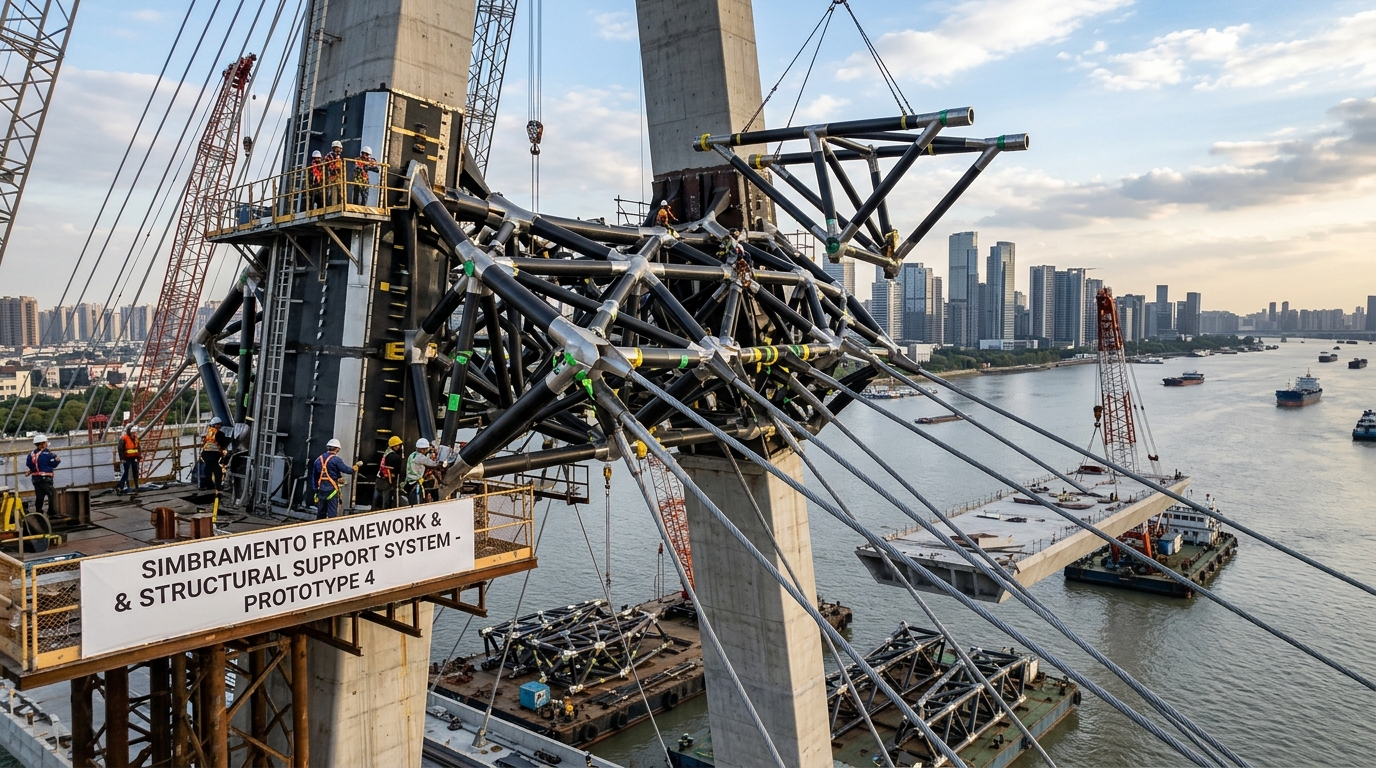
Understanding the Essentials of Engineering Support
Modern construction industries rely heavily on robust support systems to maintain structural integrity during critical building phases. Engineers frequently implement specialized temporary frameworks to absorb intense weight loads before materials achieve their maximum strength. Therefore, the concept of Simbramento represents a vital structural framework that stabilizes concrete forms during modern building procedures. This temporary structure securely transfers vertical loads from fresh concrete directly to safe foundation points. Consequently, builders prevent premature structural failures by maintaining this essential support matrix during high-risk installation phases.
Furthermore, construction teams must calculate structural tolerances carefully before setting up heavy framework elements in the field. Every single component must withstand immense gravitational pressures without shifting from its designated layout coordinates.
Key Components of Shoring Frameworks
Structural assemblies consist of several interconnected parts that work together to balance heavy architectural stresses efficiently. First, vertical shores handle direct compressive forces by pushing weight downward toward the grounded base plates. Additionally, horizontal beams spread structural loads evenly across wide areas to prevent localized stress points from forming. Diagonal braces also provide critical resistance against lateral shifting caused by strong winds or unexpected equipment impacts. Finally, heavy-duty jacks allow precise height adjustments to ensure perfectly level surfaces across the entire deck.
Properly connecting these distinct structural parts ensures maximum stability across the entire active construction site area. Each component relies on neighboring elements to maintain rigid positioning under shifting environmental and physical demands.
Implementation Strategies for Construction Teams
Supervisors must execute structural planning systematically to ensure maximum safety during the concrete pouring phase. Initially, engineers assess soil stability to confirm the ground can support massive temporary weights without sinking. After verifying the ground conditions, workers assemble the metal or timber frames according to detailed architectural blueprints. Then, inspectors check every node and locking pin to confirm flawless compliance with modern safety mandates. Ultimately, the team initiates concrete distribution only after securing formal approval from certified site inspectors.
Maintaining constant communication during these early construction phases minimizes technical errors and enhances overall operational efficiency. Every worker must understand the sequence of assembly to avoid creating weak points in the grid.
Safety Regulations and Quality Metrics
Adhering to legal safety standards prevents catastrophic accidents and ensures smooth progress on complex civil engineering tasks. Governments enforce strict design codes that require premium raw materials for manufacturing temporary load-bearing support systems. Moreover, regular site audits detect minor structural wear before components fail under heavy fresh concrete loads. Engineers also document every inspection phase to maintain a clear record of safety compliance for municipal reviewers. Thus, strict adherence to established safety metrics protects human lives and secures valuable corporate capital.
Investing in high-quality materials reduces long-term operational costs and builds a strong reputation for structural reliability. Safety remains the absolute priority for successful developers worldwide.
Structural Removal Protocols
Teams must follow specific timing guidelines when dismantling temporary frameworks to avoid damaging the newly formed concrete. Specialized sensors monitor concrete curing levels in real-time to determine exactly when the structure supports itself. Consequently, workers remove components gradually to prevent sudden stress transfers from cracking the pristine structural surfaces. Supervisors always coordinate this removal process in reverse order of the original assembly sequence for maximum safety.