
 By zynmag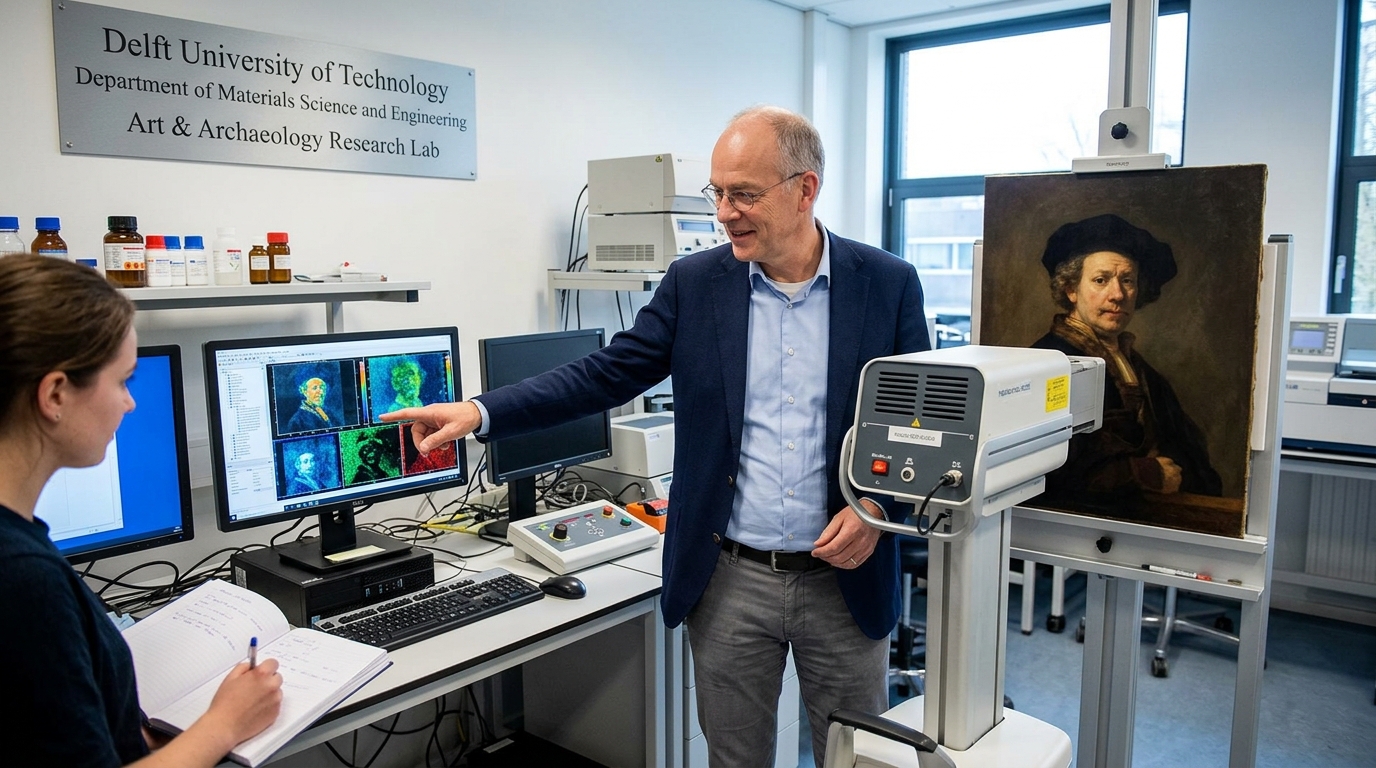
The Intersection of Fine Art and Modern Science
Art historians traditionally relied on visual analysis and basic photography to evaluate old paintings in museums and galleries. Fortunately, innovative Dutch materials scientist Jeroen Dik introduced advanced X-ray technology to reveal hidden layers beneath historic canvases. This revolutionary scientific approach combines a deep appreciation for classical art with high-energy physics and computer imaging algorithms. Consequently, global conservation teams can now examine priceless artifacts without causing any physical damage to the delicate paint.
Furthermore, cultural institutions require highly precise diagnostic tools to verify the true authenticity of controversial historical artworks. Conservators must deploy non-destructive testing methodologies that protect fragile paint layers from severe chemical degradation and fading. Therefore, the implementation of advanced synchrotron radiation techniques marks a critical turning point in modern art history research.
Revealing Overpainted Masterpieces Through Chemistry
The Power of High-Energy X-Ray Fluorescence
Researchers map the hidden elemental composition of buried paint layers because the specialized scanning technology identifies specific metallic pigments. Additionally, automated mobile scanners deliver highly detailed elemental maps directly to art history computers during the analysis. Therefore, museum experts save precious hours and eliminate stressful guesswork when they analyze complex, multi-layered historical canvases.
When scientists apply high-intensity light beams to a painting, the hidden brushstrokes of the artist emerge clearly. Moreover, the scanning method detects specific chemical elements like mercury and antimony even under thick layers of varnish. As a result, researchers reconstruct lost compositions while preserving the physical integrity of the outer masterpiece for public display.
Uncovering the Secrets of Vincent van Gogh
Biographers understand the financial struggles of prolific artists much better when they discover recycled canvases in old collections. Furthermore, the specialized scientific analysis revealed a completely hidden peasant woman portrait underneath a famous Van Gogh landscape. Consequently, the international art community gained invaluable insights into the creative evolution and daily studio practices of the master.
The scanning technology recreates the exact colors of the hidden painting, offering a vivid glimpse into the past. Subsequently, art students appreciate the resourcefulness of historical painters who routinely painted over their older, unsuccessful works. Ultimately, this fascinating intersection of physics and art history changes how the modern world interprets classical European masterpieces.
Broader Technical Applications and Conservation Impact
Enhancing Cultural Heritage Preservation
Museum directors face significant responsibilities because aging cultural artifacts slowly degrade from light exposure and environmental humidity. However, precise chemical mapping helps conservators design highly customized preservation strategies for vulnerable oil paintings across the globe. Ultimately, restoration experts must monitor these historic materials regularly to prevent the permanent loss of invaluable cultural treasures.
Many older masterpieces require specialized digital documentation to preserve their visual details for future generations of scholars. To solve this, technical universities coordinate international research projects to scan endangered artworks in major European cities. Therefore, digital archives can store high-resolution chemical blueprints of classical paintings before the physical paint suffers irreversible decay.
Training the Next Generation of Technical Art Historians
Academic universities are expanding their cross-disciplinary curricula to prepare young scientists for careers in cultural heritage preservation. Meanwhile, senior materials science professors actively teach undergraduate students how to operate complex particle accelerators for art analysis. For this reason, younger generations of researchers are entering the museum field with exceptional technical and analytical skills.
Interdisciplinary workshops allow young chemists to collaborate directly with museum curators on complex authentication and attribution projects. Subsequently, these research teams solve historical mysteries by matching the chemical signature of pigments to specific geographical regions. This steady collaborative effort ensures that scientific innovation continues to enrich our collective understanding of human artistic expression.
Future Horizons in Technical Art Analysis
International research laboratories are currently developing smaller, portable scanning devices to analyze massive murals inside historic cathedrals. Soon, artificial intelligence software will automatically analyze complex chemical data to identify the exact century of a painting. Thus, the global conservation sector will continue its rapid technological evolution toward total precision and complete transparency.
As mobile scanning systems become more accessible, smaller regional museums will analyze their hidden collections without high costs. Eventually, global digital networks will share these chemical art profiles to combat the growing market for sophisticated modern forgeries. This seamless integration of chemistry and art history promises a richer, more accurate historical record for the future.