
 By zynmag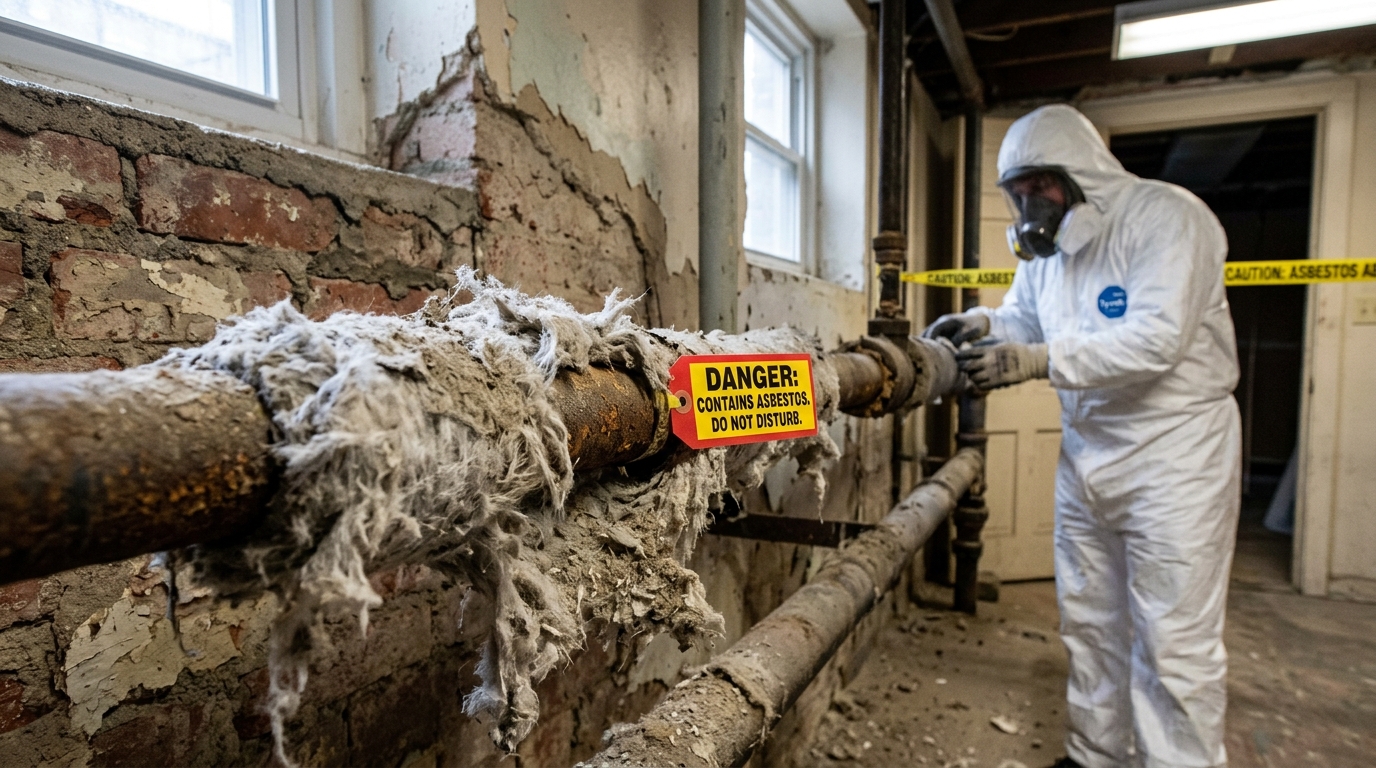
The Historic Role of Specialized Insulation Materials
Builders throughout the mid-twentieth century regularly faced severe fire hazards and extreme heat transfer issues in industrial structures. Fortunately, manufacturing companies developed Asbestlint as a highly effective thermal barrier to protect vulnerable commercial properties from fire. This heavy-duty woven tape offered exceptional tensile strength alongside unmatched resistance to chemical corrosion and electrical currents. Consequently, engineering teams installed this durable insulation material extensively inside factory walls, boiler rooms, and naval vessels.
Furthermore, construction regulations of that era actively encouraged the widespread use of mineral-based textiles for public safety. Architects favored affordable materials that could withstand intense friction and extreme temperatures without degrading over long periods. Therefore, thousands of public schools, high-rise apartments, and power plants incorporated these heavy-duty woven strips into their utility infrastructure.
Practical Industrial Applications of Woven Thermal Barriers
Pipe Insulation and Joint Sealing
Engineers wrapped high-pressure steam pipes with heavy insulation strips to prevent catastrophic thermal energy loss during plant operation. Additionally, maintenance crews utilized these flexible woven bands to seal tight joints between massive metal exhaust ducts. Therefore, industrial facilities maintained optimal energy efficiency while protecting workers from accidental contact with scalding metal surfaces.
When machinery operated at maximum capacity, these specialized seals effectively contained dangerous toxic gasses within the exhaust system. Moreover, the tight weave resisted rotting even when exposed to high humidity and acidic chemical vapors daily. As a result, factories operated continuously for many years without requiring frequent shut-downs for tedious pipe repair work.
Electrical Cable Protection
Electricians lined heavy-duty wiring conduits with protective textile wraps to prevent dangerous short circuits and localized electrical fires. Furthermore, the non-conductive properties of the mineral fibers provided an excellent defense against sudden, high-voltage power surges. Consequently, major municipal power grids relied heavily on these sturdy woven barriers to maintain consistent electrical service.
The material wrapped easily around complex wiring bundles, offering a neat and highly reliable shield against physical wear. Subsequently, utility companies saved substantial sums on maintenance because the protective wrap shielded expensive copper cables from moisture. Ultimately, this simple installation method established a new standard for safety across the rapidly growing power sector.
Modern Health Concerns and Safety Regulations
Environmental Degradation Threats
Property owners now face significant financial liabilities because aging mineral fibers slowly become brittle and friable over time. However, intact building materials pose very little immediate danger to occupants if left completely undisturbed inside walls. Ultimately, building managers must monitor these hidden installations regularly to prevent the accidental release of airborne dust.
Many older structures require specialized air monitoring systems to detect invisible microscopic fibers before they spread into ventilation. To solve this, environmental agencies enforce strict inspection protocols during any major renovation or demolition project. Therefore, construction crews can identify potential hazards early and avoid exposing the surrounding neighborhood to contaminated air.
Strict Remediation Protocols
Certified abatement contractors must follow highly detailed safety procedures to remove hazardous woven insulation from old buildings safely. Meanwhile, workers wear specialized respirators and full-body protective suits to minimize any direct physical contact with dust. For this reason, unauthorized individuals should never attempt to handle or discard these vintage industrial textiles independently.
Modern disposal facilities wrap the contaminated material in thick plastic sheeting before burying it deep within secure landfills. Subsequently, tracking systems document the exact geographic location of the buried hazardous waste to prevent future disturbance. This careful management process ensures that dangerous historical building components do not endanger the health of future generations.
The Future of Modern Building Insulation
Contemporary material scientists are successfully creating safer synthetic alternatives to replace legacy mineral-based textiles in commercial projects. Soon, advanced ceramic fiber blankets and bio-soluble materials will offer even greater thermal protection without health risks. Thus, the global construction industry continues its vital transition toward completely non-toxic, highly sustainable building practices.
As green building certifications become the global standard, developers completely avoid older, hazardous manufacturing methodologies of the past. Eventually, smart recycling programs will safely process clean alternative insulations to reduce overall construction waste in landfills. This steady evolution toward cleaner technology guarantees safer indoor working environments for millions of people worldwide.