
 By zynmag
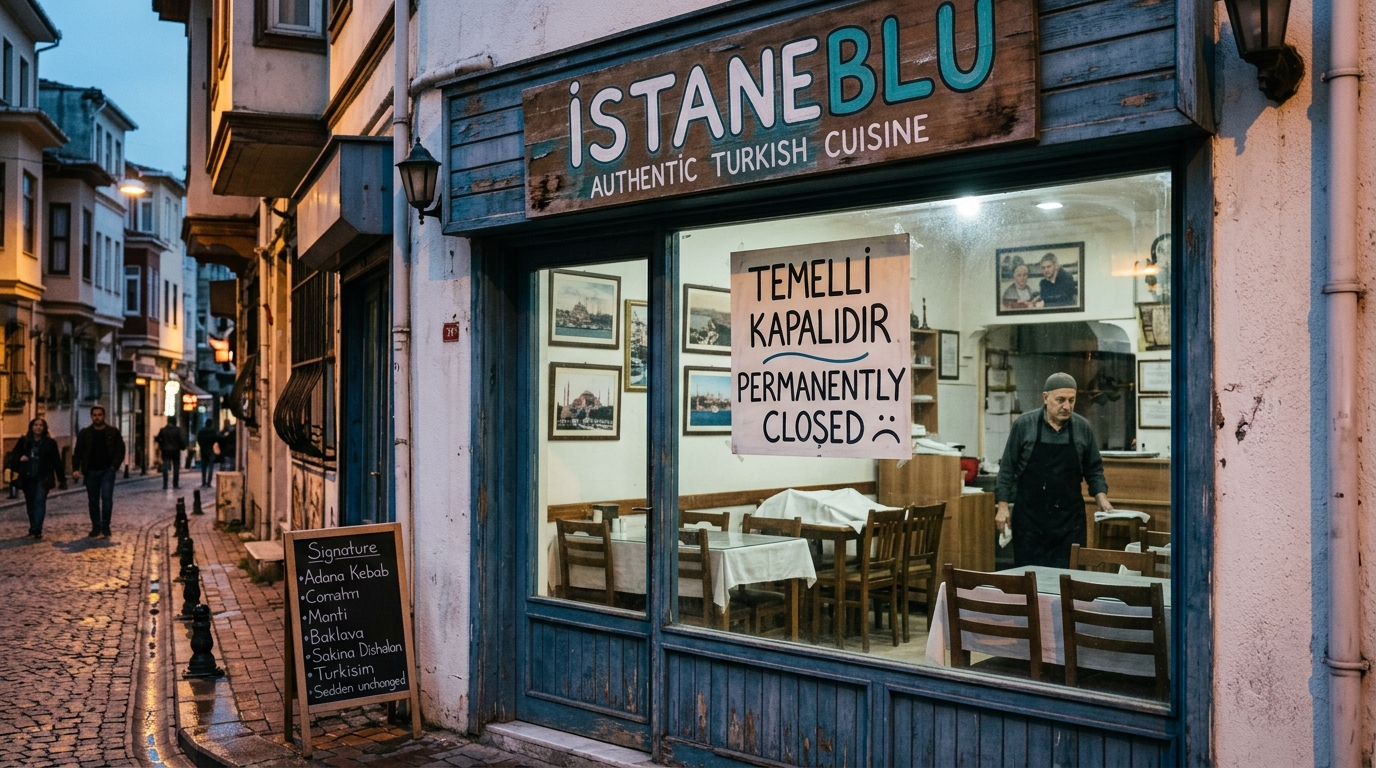
Istanblu built a reputation as a Turkish restaurant that welcomed guests with warm hospitality and rich, flavorful dishes. Consequently, many diners came to associate the name with comfort, tradition, and a genuine taste of Turkish culture. However, like countless restaurants before it, Istanblu eventually shut its doors for good. Today, former patrons still search for information about what happened, and this article explores the broader story behind restaurants like Istanblu, why closures happen, and what they mean for the communities that loved them.
The Appeal of Turkish Restaurants Like Istanblu
Turkish cuisine holds a special place in the culinary world because it blends Mediterranean, Middle Eastern, and Central Asian influences into something distinct. Restaurants such as Istanblu typically build their menus around this heritage, offering dishes that highlight grilled meats, fresh vegetables, and fragrant spices. Additionally, Turkish restaurants often emphasize hospitality as a core value, treating guests as honored visitors rather than simple customers. As a result, many diners form emotional connections to these establishments that go beyond the food itself.
Furthermore, a Turkish restaurant often serves as a cultural bridge for communities. It introduces unfamiliar diners to new flavors while giving those familiar with the cuisine a taste of home. Consequently, when a restaurant like Istanblu closes, the loss often feels deeper than the disappearance of just another business. Instead, it can feel like the closing of a small cultural window that a neighborhood once relied upon.
Common Reasons Restaurants Permanently Close
Restaurant closures rarely stem from a single cause, and Istanblu’s situation likely reflects that same complexity. In fact, the restaurant industry experiences some of the highest failure rates among small businesses. Therefore, understanding the common factors behind closures can help explain what may have happened to Istanblu and similar establishments.
Rising Operational Costs
First, operational costs continue to climb across the restaurant industry, squeezing profit margins tighter each year. Rent increases, ingredient price fluctuations, and utility expenses all place pressure on owners trying to maintain quality. Moreover, labor costs have risen substantially in recent years, forcing many restaurants to raise menu prices or absorb losses. Eventually, some establishments find that expenses outpace revenue, leaving owners with difficult decisions about the future.
Shifting Consumer Habits
Second, consumer dining habits shift constantly, and restaurants must adapt quickly to survive. Many diners now prefer delivery services, quick-casual formats, or health-conscious menu options over traditional sit-down experiences. Consequently, restaurants that rely heavily on dine-in service sometimes struggle to compete with faster, more convenient alternatives. Additionally, changing neighborhood demographics can alter the customer base a restaurant depends on for steady business.
Increased Competition
Third, competition within the restaurant industry has intensified significantly over the past decade. New restaurants open regularly, each vying for the same pool of local diners and online attention. Therefore, standing out becomes increasingly difficult, especially for smaller, independently owned establishments like Istanblu may have been. Chain restaurants, in particular, often have marketing budgets and brand recognition that independent restaurants simply cannot match.
Lease and Property Challenges
Fourth, lease agreements and property issues frequently contribute to restaurant closures that catch communities by surprise. Landlords may decline to renew leases, raise rent beyond what a business can sustain, or sell the property entirely. As a result, even a thriving restaurant can lose its physical location through circumstances beyond the owner’s control. This factor alone forces many successful establishments to close despite strong customer loyalty.
Economic Downturns
Finally, broader economic conditions play a significant role in restaurant survival rates across every cuisine type. Recessions, inflation, and reduced consumer spending all limit how often people dine out. Consequently, restaurants operating on thin margins become especially vulnerable during uncertain economic periods. Many closures that seem sudden actually reflect months or years of accumulated financial strain.
The Emotional Impact of a Restaurant Closing
When a beloved restaurant like Istanblu closes, the impact extends well beyond financial statements and business metrics. Regular customers often mourn the loss of a familiar gathering place where they celebrated birthdays, anniversaries, and everyday moments. Similarly, employees lose not just a job but often a close-knit community they built over months or years. Therefore, restaurant closures ripple outward, touching lives in ways that numbers alone cannot capture.
Moreover, neighborhoods themselves feel the absence of a closed restaurant, particularly when that restaurant offered something unique to the area. A Turkish restaurant, for instance, might have been the only place nearby serving authentic dishes from that culinary tradition. Consequently, its closure can leave a genuine gap in local dining options that takes time to fill. Nearby businesses may even notice reduced foot traffic once a popular restaurant no longer draws visitors to the area.
What Happens to a Restaurant’s Legacy After Closing
Even after a restaurant shuts its doors permanently, its legacy often continues through the memories of former guests. Online reviews, social media posts, and word-of-mouth stories keep restaurants like Istanblu alive in public memory. Additionally, former staff members sometimes carry recipes, techniques, or hospitality philosophies into new ventures elsewhere. Therefore, a closed restaurant’s influence can persist long after the physical location disappears entirely.
Furthermore, some communities honor closed restaurants by referencing them in local history projects or neighborhood retrospectives. Longtime residents often mention beloved establishments when discussing how their area has changed over the years. Consequently, restaurants that once seemed like simple businesses can become meaningful landmarks in a community’s collective memory. This lasting impact demonstrates how deeply food and hospitality connect to personal and cultural identity.
Lessons for Diners Who Miss Their Favorite Restaurant
For diners who miss a restaurant like Istanblu, several options can help ease that sense of loss. First, reaching out to former staff members through social media may reveal where they now work. Many chefs and servers move to new restaurants, allowing loyal customers to reconnect with familiar faces and flavors. Additionally, some diners find comfort in recreating favorite dishes at home using traditional recipes and cooking techniques.
Moreover, exploring other local Turkish restaurants can help fill the void left by a closed favorite. While no replacement feels identical, discovering new establishments often introduces diners to fresh interpretations of familiar dishes. Consequently, the search for a new favorite spot can become its own rewarding culinary journey. Local food communities and online forums often provide recommendations for similar dining experiences nearby.
How Communities Can Support Local Restaurants
Given how often beloved restaurants close, communities increasingly recognize the importance of supporting local dining establishments. Simple actions, such as leaving positive reviews or recommending restaurants to friends, can meaningfully boost a business’s visibility. Additionally, choosing to dine at independent restaurants rather than chains helps sustain unique culinary traditions within a neighborhood. Therefore, community support plays a genuine role in determining which restaurants survive long-term challenges.
Furthermore, attending community events hosted by local restaurants strengthens the relationship between businesses and their customer base. Many restaurants host cultural celebrations, live music nights, or special tasting menus to engage their communities. Consequently, these events build loyalty that can help a restaurant weather difficult economic periods more successfully. Ultimately, active community engagement benefits both diners and the businesses that serve them.
Conclusion
Istanblu represents just one example among many restaurants that eventually closed despite building genuine connections with their communities. Restaurant closures typically result from a combination of rising costs, shifting habits, competition, and broader economic pressures. Nevertheless, the memories, flavors, and hospitality that establishments like Istanblu offered continue to matter to those who experienced them. As diners, we can honor these closed restaurants by supporting the local businesses that remain and remembering the cultural contributions these establishments made. Although Istanblu no longer welcomes guests, its story reflects a larger conversation about the challenges facing independent restaurants everywhere.