
 By zynmag
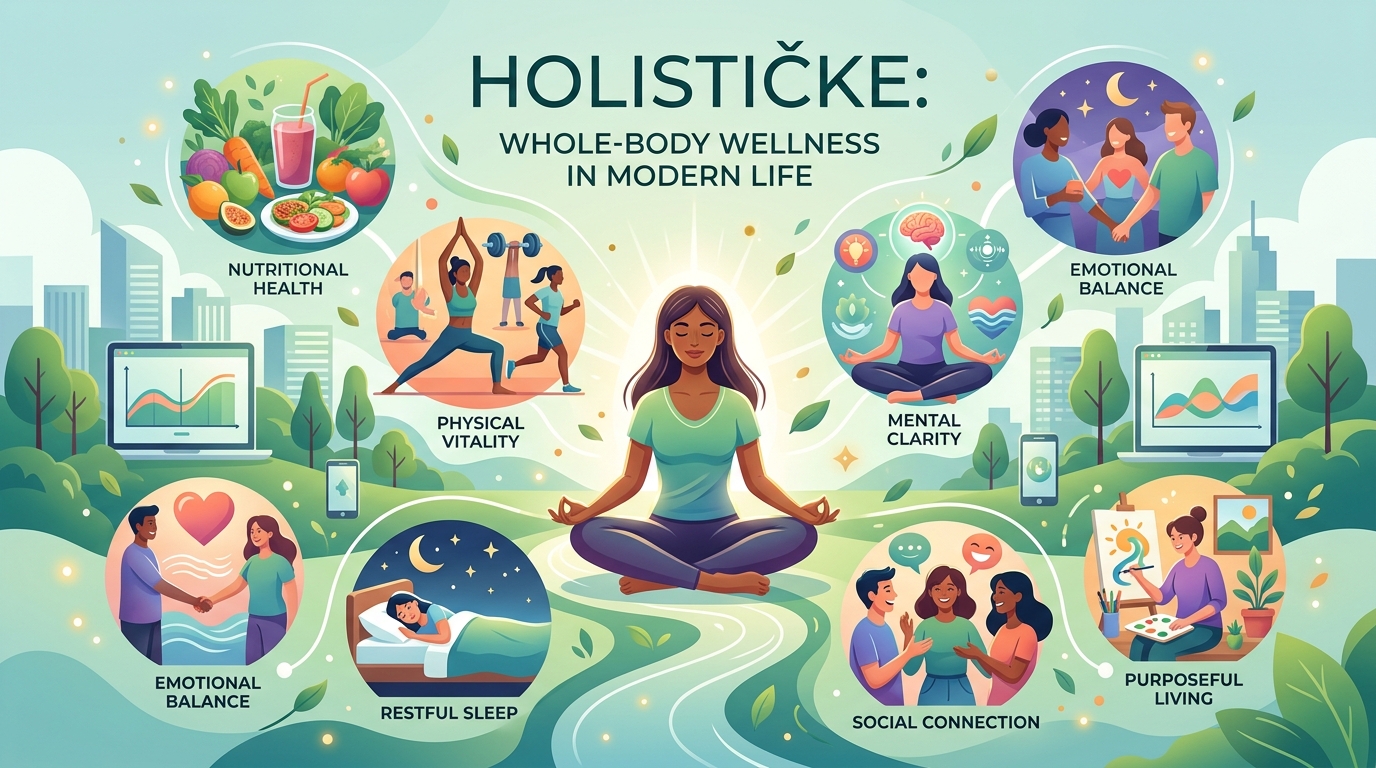
Modern life often pulls people in many directions, and finding balance can feel impossible. Holisticke offers a refreshing approach to wellness that treats the mind, body, and spirit as one connected system. Instead of chasing quick fixes, this philosophy encourages people to look at the bigger picture of their health. Consequently, more individuals are turning toward practices that nurture every part of their daily existence. This article explores what makes this approach valuable, practical, and worth exploring further.
What Holisticke Actually Means
At its core, this approach rejects the idea that health problems exist in isolation. Instead, it recognizes that stress, diet, sleep, and emotional wellbeing all influence one another constantly. For example, poor sleep often worsens anxiety, which then affects digestion and energy levels. Therefore, addressing only one symptom rarely solves the underlying issue completely. This philosophy asks people to step back and examine their lives holistically. As a result, solutions become more sustainable because they target root causes rather than surface symptoms.
Many wellness traditions across history have embraced similar thinking, long before modern medicine existed. Ancient practices in various cultures already understood the connection between emotional state and physical health. However, this modern interpretation blends those older insights with current scientific understanding. Consequently, it feels both timeless and relevant to today’s fast-paced world.
The Core Pillars of a Balanced Lifestyle
Several key areas form the foundation of this wellness philosophy, each supporting the others. Physical movement, nutrition, mental clarity, emotional regulation, and social connection all play essential roles. Furthermore, none of these pillars work effectively when isolated from the rest.
Physical Movement and Body Awareness
Regular movement remains essential, though it doesn’t require intense gym sessions every single day. Walking, stretching, yoga, and dancing all count as valuable forms of physical engagement. Meanwhile, body awareness practices help people notice tension before it becomes chronic pain. Additionally, paying attention to posture and breathing throughout the day improves overall physical comfort. Small, consistent habits often produce better long-term results than occasional intense workouts.
Nutrition as a Foundation
Food choices directly shape energy levels, mood stability, and long-term physical health outcomes. Whole foods, plenty of water, and mindful eating habits support the body’s natural balance. Meanwhile, processed foods and excessive sugar often disrupt this delicate internal equilibrium. Therefore, small dietary shifts can create noticeable improvements in how someone feels daily. Nevertheless, this approach avoids strict rules, favoring gradual and realistic changes instead.
Mental Clarity Through Mindfulness
Mental clutter often prevents people from making thoughtful decisions or feeling truly present. Mindfulness practices, including meditation and journaling, help quiet that constant mental noise. Consequently, people report feeling calmer and more focused after adopting simple daily mindfulness routines. Even five minutes of quiet reflection each morning can shift someone’s entire day. Ultimately, mental clarity supports better choices across every other area of life.
Emotional Regulation and Self-Awareness
Understanding personal emotions prevents reactive behavior and supports healthier relationships with others. Journaling, therapy, and honest self-reflection all contribute to stronger emotional intelligence over time. Meanwhile, suppressing emotions often leads to physical tension and unresolved stress accumulation. Therefore, acknowledging feelings openly becomes a crucial part of holistic self-care practices. This awareness also strengthens resilience during difficult or emotionally challenging periods in life.
Social Connection and Community
Humans thrive on genuine connection, yet modern life often isolates people unintentionally. Strong relationships provide emotional support during stressful times and celebrate life’s positive moments together. Additionally, community involvement gives people a sense of purpose beyond individual achievement. Consequently, nurturing friendships and family bonds becomes just as important as personal wellness routines.
Daily Practices That Support Holistic Living
Small, consistent habits often matter more than occasional grand gestures toward better health. Waking up at a consistent time helps regulate the body’s natural internal clock. Meanwhile, limiting screen time before bed improves sleep quality significantly over just a few weeks. Preparing meals mindfully, rather than rushing through them, also supports better digestion and satisfaction.
Furthermore, taking short breaks throughout the workday prevents burnout and maintains sustained mental energy. Stepping outside for fresh air, even briefly, resets focus and reduces accumulated stress. Additionally, practicing gratitude by noting three positive things daily shifts overall mental perspective gradually. These small rituals, when combined, create a lifestyle that feels balanced rather than overwhelming.
Overcoming Common Obstacles
Many people struggle initially because they try to change everything simultaneously and quickly. However, sustainable transformation happens gradually, one small adjustment at a time. Therefore, choosing a single habit to focus on first often yields better long-term results. Once that habit feels natural, adding another becomes much easier and less overwhelming.
Time constraints also present a common challenge for busy individuals juggling multiple responsibilities daily. Nevertheless, even brief moments of mindful breathing or stretching offer meaningful benefits over time. Perfectionism can similarly derail progress when people feel discouraged after missing a single day. Instead, viewing setbacks as normal parts of the journey helps maintain long-term motivation and consistency.
The Role of Environment in Wellness
Physical surroundings significantly influence mental state, energy levels, and overall daily motivation. Cluttered spaces often create subconscious stress, while organized environments promote calm and clarity. Consequently, dedicating time to declutter living spaces can positively impact emotional wellbeing. Additionally, incorporating natural elements, such as plants or natural light, enhances mood and focus.
Furthermore, the people surrounding someone also shape their overall wellness journey considerably. Supportive relationships encourage healthy habits, while toxic environments often undermine personal growth efforts. Therefore, evaluating both physical and social environments becomes an important step toward lasting change. Making intentional adjustments in these areas supports every other aspect of holistic wellness.
Combining Modern Science With Traditional Wisdom
This approach doesn’t reject modern medicine or scientific research; instead, it complements these fields. Many holistic practices now have growing scientific support validating their effectiveness and benefits. For instance, research consistently shows meditation reduces stress hormones and improves emotional regulation. Similarly, studies confirm that regular physical activity significantly benefits both mental and physical health.
Meanwhile, traditional practices like breathwork and mindful movement offer complementary benefits alongside conventional treatments. Consequently, combining evidence-based medicine with holistic lifestyle practices often produces the best outcomes. This balanced perspective respects both scientific rigor and time-tested wisdom from various cultural traditions. As a result, people gain access to a broader toolkit for managing their health.
Building a Personalized Wellness Routine
No single approach works universally, since individual needs and circumstances vary considerably. Therefore, personalizing wellness routines based on personal preferences and lifestyle constraints matters significantly. Someone with a demanding job might prioritize stress management techniques over lengthy exercise routines. Meanwhile, another person might focus primarily on nutrition and sleep quality improvements first.
Additionally, experimenting with different practices helps identify what genuinely resonates with each individual. Some people find yoga transformative, while others prefer walking meditation or creative expression instead. Consequently, remaining flexible and open to adjustment supports long-term adherence to healthy habits. Ultimately, the most effective routine becomes one that feels sustainable and enjoyable, not forced.
Long-Term Benefits of This Lifestyle Approach
People who commit to this balanced philosophy often report improvements across multiple life areas. Physical energy increases, emotional resilience strengthens, and overall life satisfaction tends to improve. Furthermore, chronic stress levels often decrease significantly when someone addresses wellness holistically rather than superficially. Consequently, relationships often improve as well, since emotional regulation positively affects communication and patience.
Additionally, this lifestyle approach often leads to better long-term physical health outcomes overall. Reduced stress correlates with lower risks of several chronic health conditions over time. Meanwhile, improved sleep and nutrition support stronger immune function and sustained daily energy levels. Therefore, the benefits extend far beyond immediate comfort, supporting long-term health and vitality.
Final Thoughts
Embracing this balanced philosophy doesn’t require dramatic life changes or perfect daily execution. Instead, small, consistent adjustments across physical, mental, and emotional domains create lasting positive change. Furthermore, this approach honors individual differences, allowing each person to build a personalized path forward. As people integrate these principles gradually, they often discover greater balance, resilience, and genuine wellbeing. Ultimately, this journey toward holistic health becomes less about perfection and more about sustainable, meaningful progress.