
 By zynmag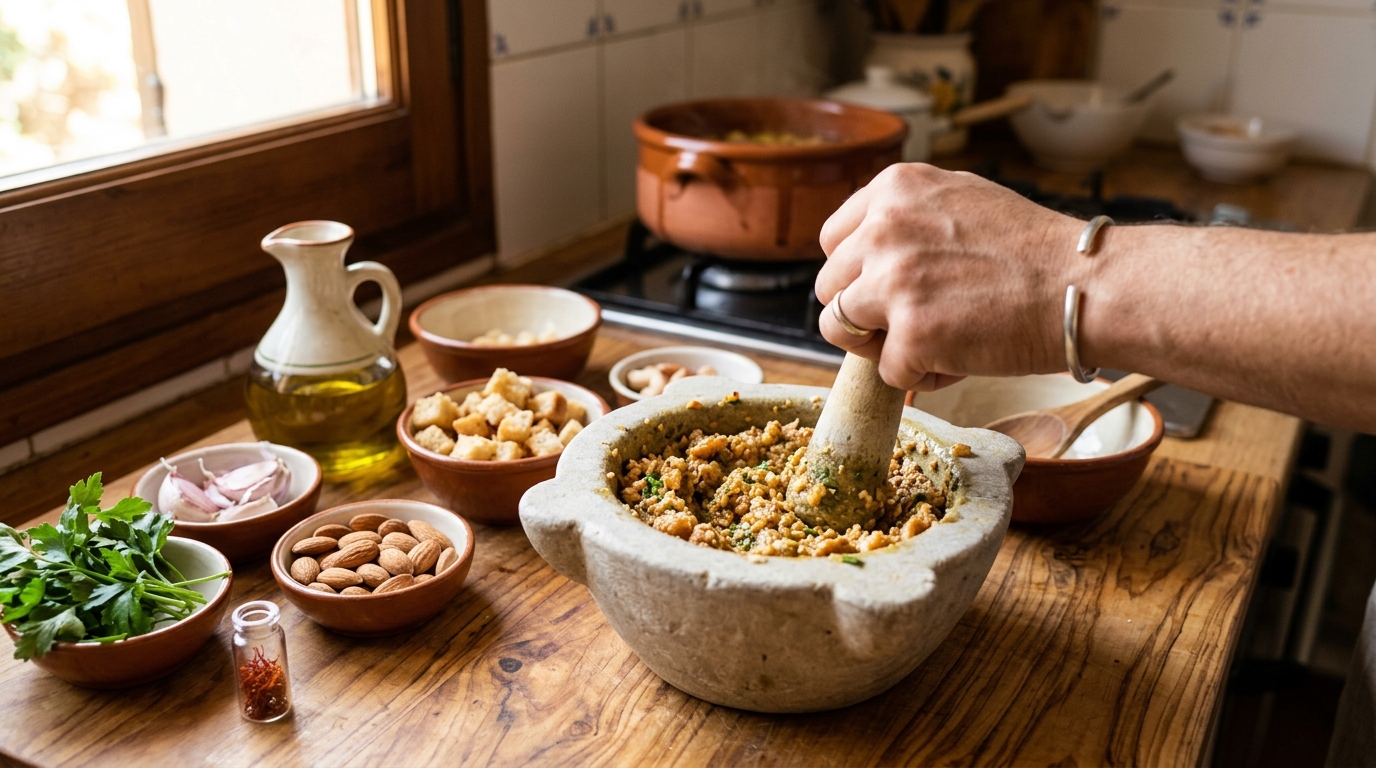
Home cooks around the world constantly seek new ways to elevate their everyday dishes with bold, complex flavors. Catalan picada sauce offers exactly that — a powerful, nutty, herb-infused paste rooted deeply in northeastern Spanish culinary tradition. This ancient sauce transforms ordinary stews, soups, and braised meats into extraordinarily rich and satisfying meals. Furthermore, once you master this simple technique, you will reach for it again and again in your kitchen.
The Origins and History of Picada
Catalan cuisine stands proudly as one of the oldest and most sophisticated culinary traditions in all of Europe. Consequently, understanding picada requires a brief journey into the rich food history of Catalonia, Spain’s northeastern region. Medieval cooks in this area developed picada as a thickening and flavoring agent for their hearty, slow-cooked dishes. Moreover, historical records from the fourteenth century already reference versions of this remarkable ground paste in Catalan cookbooks.
How Picada Differs From Other Spanish Sauces
Spain boasts many celebrated sauces, including sofrito, romesco, alioli, and salsa verde, each serving distinct culinary purposes. However, picada occupies a unique position because cooks add it near the end of cooking rather than the beginning. This late addition preserves the fresh, vibrant flavors of its raw ingredients without cooking them into submission. Furthermore, unlike sofrito, which builds a flavor base at the start, picada finishes and deepens a dish’s complexity beautifully.
Picada’s Role in the Catalan Kitchen
Traditional Catalan cooks consider picada an essential finishing tool rather than a standalone condiment served separately. Indeed, generations of Catalan grandmothers have stirred spoonfuls of this paste into everything from fish stews to rabbit braises. The sauce binds, thickens, and intensifies surrounding flavors simultaneously in a way that no single ingredient can achieve alone. Therefore, learning to make it connects you directly to centuries of living, breathing Mediterranean culinary heritage.
What Exactly Goes Into a Picada?
The beauty of picada lies in its flexible, adaptable nature that accommodates regional variations and personal preferences wonderfully. Nevertheless, certain core ingredients appear consistently across traditional Catalan recipes and define the sauce’s unmistakable character.
Nuts: The Foundation of Every Picada
Nuts form the structural and flavor backbone of any authentic picada, providing body, richness, and depth simultaneously. Almonds appear most frequently in traditional recipes, contributing a mild sweetness that balances stronger savory elements perfectly. Additionally, hazelnuts offer a deeper, earthier profile that pairs particularly well with game meats and robust winter stews. Some cooks also incorporate pine nuts for a softer, more buttery texture in their finished paste.
Toasting the nuts before grinding them releases essential oils and dramatically intensifies their natural nutty flavors. Consequently, you should never skip the toasting step, even when you feel pressed for time in the kitchen. A dry skillet over medium heat works perfectly well for toasting small quantities of nuts quickly and evenly. Furthermore, watch them carefully because nuts transition from perfectly golden to bitterly burnt within a matter of seconds.
Fried Bread: The Secret Thickening Agent
Many first-time picada makers overlook fried bread, yet it plays an absolutely critical role in creating the right consistency. A slice of stale white bread, fried golden in good olive oil, gives picada its characteristic thickening power. Moreover, the oil absorbed by the fried bread helps bind all the other ingredients into a smooth, cohesive paste. Therefore, do not attempt to substitute fresh bread or crackers, as neither delivers the same structural results.
Garlic: Bold, Aromatic, and Non-Negotiable
Raw garlic provides a sharp, pungent kick that cuts through the richness of nuts and fried bread assertively. Most traditional recipes call for at least two to four cloves, depending on your personal tolerance for garlic intensity. Additionally, some cooks briefly fry the garlic alongside the bread to soften its sharpness slightly before grinding. However, others insist that raw garlic delivers the most vibrant and authentic flavor profile in the finished sauce.
Fresh Herbs: Bright Greens That Lift the Whole Paste
Fresh flat-leaf parsley appears in virtually every picada recipe and contributes essential brightness to the finished paste. Its clean, slightly peppery flavor balances the heaviness of nuts and bread with welcome freshness and color. Furthermore, some regional variations incorporate fresh mint, thyme, or even basil depending on the specific dish it accompanies. Therefore, always use genuinely fresh herbs rather than dried alternatives, which cannot replicate the same vibrant quality.
Optional Additions That Expand Picada’s Possibilities
Beyond the core ingredients, many cooks enrich their picada with additional elements that add complexity and depth. Saffron threads, briefly toasted and dissolved in warm water, contribute a golden color and subtle floral aroma. Moreover, a square or two of dark chocolate works surprisingly well in meat-based stews, adding bittersweet body and richness. Additionally, dried nyora peppers, a mild Catalan specialty, deliver a smoky, slightly sweet dimension that complements seafood magnificently.
Traditional Equipment Versus Modern Tools
Authentic picada traditionally requires a mortar and pestle, and many Catalan cooks still insist on this method exclusively. The slow, circular grinding motion releases oils and creates a textured paste that machines simply cannot replicate precisely. Furthermore, using a mortar and pestle connects you physically to the meditative, rhythmic tradition behind this ancient preparation. Consequently, if you own a good-quality stone mortar, you should absolutely use it when making picada from scratch.
Using a Food Processor or Blender
Nevertheless, a food processor or blender produces perfectly acceptable picada for most everyday cooking situations. Simply pulse the ingredients together rather than blending continuously, preserving some texture in the finished paste. Furthermore, avoid over-processing, as a completely smooth, uniform paste lacks the rustic character that defines authentic picada. Therefore, check the consistency frequently and stop blending as soon as you achieve a coarse, spreadable texture.
How to Make Classic Catalan Picada
Making picada at home requires minimal equipment, inexpensive ingredients, and less than fifteen minutes of active preparation time. Moreover, the process itself is straightforward enough for even beginner cooks to master successfully on their first attempt.
Ingredients You Will Need
Gather the following ingredients before you begin the preparation process for a standard batch of picada.
You will need one thick slice of stale white bread, roughly torn into pieces for easier frying. Additionally, prepare a small handful of blanched almonds — approximately twenty to twenty-five whole almonds works well for most recipes. Gather four cloves of fresh garlic, peeled and ready to use according to your preferred method. Furthermore, collect a generous handful of fresh flat-leaf parsley, washed and roughly chopped before grinding. You will also need two tablespoons of good extra virgin olive oil for frying the bread properly.
Optional additions include a pinch of saffron, two tablespoons of toasted hazelnuts, and one small square of dark chocolate.
Step-by-Step Preparation Method
Step One: Toast Your Nuts
Place your almonds in a dry skillet over medium heat and stir them constantly for three to four minutes. Watch for a light golden color and a warm, nutty aroma rising from the pan to indicate readiness. Furthermore, transfer them immediately to a plate once done, as residual heat continues cooking them even off the burner. Consequently, acting quickly at this stage prevents bitterness from developing in your finished picada.
Step Two: Fry the Bread and Garlic
Heat two tablespoons of olive oil in the same skillet over medium heat until it shimmers slightly. Add the torn bread pieces and fry them for approximately two minutes per side until deeply golden and crispy throughout. Moreover, add the garlic cloves during the final minute if you prefer a milder, less sharp garlic flavor in your paste. Therefore, remove everything from the pan and allow it to cool briefly before grinding to avoid steam buildup.
Step Three: Grind Everything Together
Place the toasted almonds into your mortar or food processor and begin breaking them down into a coarse meal. Subsequently, add the fried bread and continue grinding until the mixture resembles rough, sandy crumbs throughout. Furthermore, add the garlic, fresh parsley, and any optional ingredients you choose to include in your version. Finally, grind everything together until you achieve a thick, slightly textured paste that holds its shape well.
Step Four: Adjust Seasoning
Taste the finished picada and season it with a small pinch of sea salt and freshly cracked black pepper. Additionally, if the paste feels too thick or dry, add a small splash of olive oil to loosen it slightly. However, avoid adding too much liquid, as picada should remain a thick paste rather than a pourable sauce. Consequently, small adjustments make a significant difference in the final texture and overall eating experience.
How to Use Picada in Your Cooking
Understanding when and how to incorporate picada separates competent cooks from truly skilled ones in the Catalan tradition. Moreover, the timing of its addition significantly impacts the final flavor and texture of your finished dish.
Adding Picada to Stews and Braises
Always stir picada into a stew or braise during the final ten to fifteen minutes of cooking time. This brief exposure to heat allows it to meld with surrounding flavors without destroying its fresh, vibrant character. Furthermore, stir it in gradually rather than dumping it all at once, tasting as you go for balance. Consequently, you maintain full control over the final flavor intensity of your finished dish throughout this process.
Using Picada With Seafood Dishes
Catalan seafood stews like suquet de peix rely heavily on picada to achieve their characteristic depth and richness. Additionally, a spoonful stirred into a simple pan of sautéed shrimp transforms it into something genuinely extraordinary within minutes. The nuts and bread thicken the cooking liquid beautifully while the garlic and parsley brighten the whole dish. Therefore, keep a small jar of prepared picada in your refrigerator whenever you plan to cook seafood during the week.
Pairing Picada With Meat and Poultry
Braised chicken, rabbit, lamb shanks, and pork ribs all respond magnificently to a generous addition of picada near the end. Furthermore, the nuttiness of almonds or hazelnuts creates a natural affinity with richly flavored game meats like venison. Adding a square of dark chocolate to the picada you use for wild boar or rabbit elevates the dish dramatically. Consequently, this one small technique single-handedly expands your entire repertoire of braised meat dishes significantly.
Picada as a Spread or Condiment
Beyond stews, you can use picada as a rustic spread on crusty bread alongside cured meats and aged cheeses. Moreover, it makes a wonderful base for stuffed mushrooms, peppers, and other baked vegetables when mixed with breadcrumbs. Additionally, thinning it slightly with extra olive oil creates a versatile dipping sauce for roasted vegetables and grilled meats. Therefore, think of picada not as a single-purpose sauce but as a flexible building block in your broader cooking toolkit.
Storing and Preserving Your Picada
Fresh picada stores well in the refrigerator for up to three days when you keep it in an airtight container. Furthermore, pressing a layer of plastic wrap directly against its surface prevents oxidation and keeps it tasting fresher longer. Additionally, you can freeze picada in small portions using an ice cube tray for remarkably convenient, ready-to-use amounts. Consequently, batch preparation on weekends saves you significant time during busy weeknight cooking sessions throughout the week.
Common Mistakes to Avoid When Making Picada
Even experienced cooks occasionally make mistakes that compromise the quality of their finished picada unnecessarily. Therefore, understanding these common pitfalls helps you avoid them confidently from your very first attempt onward.
Over-Processing the Texture
The most frequent mistake involves blending picada too long and creating an overly smooth, paste-like consistency. Authentic picada should retain some texture and coarseness that contributes body and character to finished dishes. Furthermore, a completely smooth paste integrates differently into sauces and loses the pleasant rustic quality that defines it. Therefore, pulse rather than blend continuously, checking the texture every few seconds throughout the process.
Adding It Too Early in the Cooking Process
Adding picada too early in a long braise destroys the freshness that makes it uniquely valuable as a finishing element. Consequently, patience matters enormously here — resist the urge to add it before the final fifteen minutes of cooking. Furthermore, early addition turns the garlic bitter and cooks away the bright herbal notes from the fresh parsley. Therefore, always treat picada as a finishing sauce rather than a base ingredient in your cooking practice.
Why You Should Start Making Picada Today
Picada represents one of the most efficient and rewarding techniques any home cook can add to their culinary repertoire. Furthermore, its ingredients are inexpensive, widely available, and require no specialized training or professional equipment to use effectively. Moreover, the transformation it brings to ordinary dishes feels genuinely magical the very first time you experience it. Therefore, gather your almonds, your bread, your garlic, and your parsley — your cooking is about to change for the better permanently.