
 By zynmag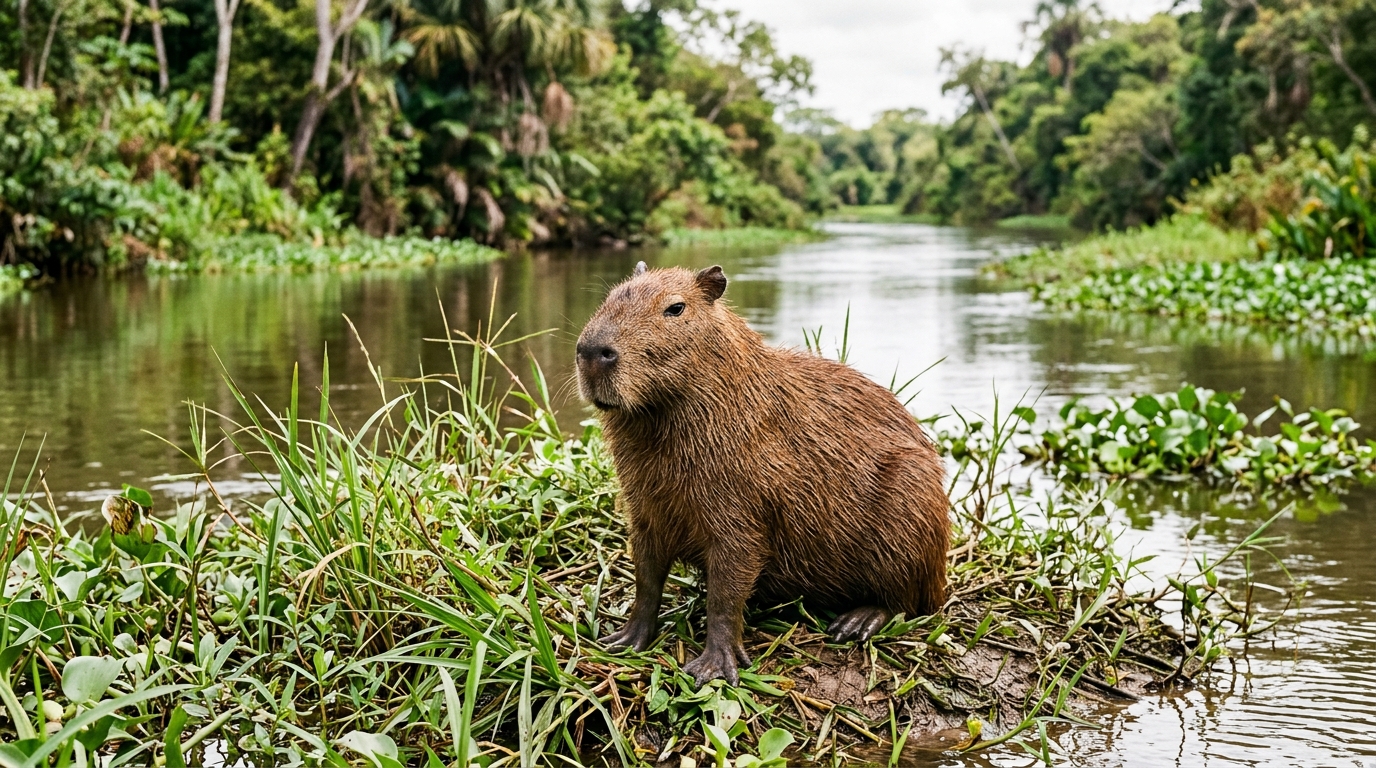
Many animal lovers across the world wonder whether capybaras make good pets for everyday households. These giant, gentle rodents from South America have captured millions of hearts on social media. However, owning one requires serious commitment, deep knowledge, and substantial resources. Before you bring a capybara home, you must understand every aspect of their complex care needs.
What Exactly Is a Capybara?
Capybaras hold the title of the world’s largest rodent, native to the wetlands and grasslands of South America. Adults typically weigh between 77 and 146 pounds, growing up to four feet in length. Furthermore, they live in large social groups near water sources in their natural habitat. Their calm temperament and friendly nature make them fascinating creatures to observe and interact with closely.
Physical Characteristics You Should Know
These semi-aquatic animals sport coarse, reddish-brown fur covering their stocky, barrel-shaped bodies. Additionally, they have partially webbed feet that make them exceptional swimmers in rivers and lakes. Their eyes, ears, and nostrils sit high on their heads for easy breathing while swimming. Therefore, any capybara owner must provide consistent and reliable access to deep water daily.
The Legal Reality of Owning a Capybara
Before anything else, you must research the laws in your specific state, province, or country carefully. Many regions classify capybaras as exotic animals, requiring special permits or licenses for legal ownership. Moreover, some states in the United States ban capybara ownership entirely without any exceptions whatsoever. Texas and Pennsylvania currently allow ownership, while California and Georgia strictly prohibit keeping them as pets.
Permits and Documentation Requirements
Even in places where ownership is legal, authorities often require exotic animal permits from wildlife agencies. You must also find a licensed exotic veterinarian willing to provide routine and emergency medical care. Additionally, some municipalities impose their own local restrictions separate from state or national laws. Always consult a local attorney who specializes in exotic animal law before making any purchase decisions.
The Pros of Keeping Capybaras as Pets
Despite the challenges, capybaras do offer some genuinely rewarding experiences for the right owner. Their affectionate, gentle nature makes them unlike most other exotic animals people commonly attempt to keep.
They Bond Deeply With Their Human Families
Capybaras form strong emotional attachments to the humans who care for them consistently and lovingly. Consequently, a well-socialized capybara will follow its owner around the yard like a loyal dog. They enjoy physical affection, including head scratches, belly rubs, and quiet companionship during relaxed outdoor time. Furthermore, they communicate using a variety of vocalizations, including purrs, barks, whistles, and clicking sounds.
They Get Along Well With Other Animals
One remarkable quality of capybaras is their exceptional tolerance toward other animal species around them. Indeed, videos across the internet show capybaras peacefully lounging with cats, dogs, birds, and even crocodiles. Their calm energy tends to reduce tension among other household pets when owners introduce them properly. Therefore, multi-pet households often find capybaras to be surprisingly harmonious additions to their existing animal family.
They Are Intelligent and Trainable Animals
Capybaras demonstrate impressive intelligence and can learn basic commands with patient, consistent positive reinforcement training. For instance, many owners successfully litter train their capybaras to use a designated bathroom area outdoors. They respond well to routines and quickly learn schedules related to feeding, bathing, and outdoor playtime. As a result, a well-trained capybara can integrate into daily household life more smoothly than expected.
They Have Calm and Gentle Temperaments
Unlike many exotic animals, capybaras rarely display aggression toward humans who treat them with respect. Their naturally docile demeanor makes them safer to handle than most large exotic mammals kept in captivity. However, owners must never misread calmness as total predictability, since all animals can react defensively when frightened. Nevertheless, their baseline temperament remains one of the most positive aspects of capybara ownership overall.
The Cons of Keeping Capybaras as Pets
The challenges of capybara ownership are numerous, serious, and often underestimated by enthusiastic first-time exotic pet owners. Therefore, understanding these difficulties honestly is absolutely essential before committing to this responsibility.
They Require a Large Amount of Space
Capybaras need extensive outdoor space to roam, graze, and exercise throughout each and every day. A small apartment or average suburban backyard simply cannot meet their physical and psychological space requirements. Ideally, owners should provide at least a third of an acre of secure, grassy land for grazing. Furthermore, fencing must be tall, sturdy, and buried underground since capybaras can dig surprisingly well.
They Absolutely Need Access to Deep Water
Water access is not optional for capybaras — it is a fundamental and non-negotiable aspect of their health. They must swim and soak daily to regulate their body temperature and maintain healthy skin condition. Consequently, owners need a large pool, pond, or specially constructed water feature in their outdoor space. Maintaining this water source requires significant time, effort, and financial investment throughout the entire year.
They Are Highly Social and Cannot Live Alone
Capybaras are deeply social animals that experience genuine psychological distress when kept in complete isolation. Therefore, most exotic animal experts strongly recommend keeping at least two capybaras together at all times. Purchasing, feeding, housing, and providing veterinary care for two large animals multiplies all your costs significantly. Moreover, pair bonding between capybaras can sometimes create territorial dynamics that require careful management and observation.
Veterinary Care Is Expensive and Hard to Find
Finding a veterinarian with genuine experience treating capybaras presents a significant challenge in most parts of the world. Most general practice vets lack the specialized knowledge needed to diagnose and treat exotic rodent health issues effectively. Additionally, capybaras require regular dental care because their teeth grow continuously and can cause serious health problems. Consequently, annual veterinary costs for a single capybara can easily exceed thousands of dollars depending on your location.
Their Diet Is Complex and Demanding to Maintain
Capybaras are strict herbivores that require fresh grasses, hays, aquatic plants, and certain vegetables daily. Simply put, you cannot feed them standard commercial pet food and expect them to remain healthy long-term. They also require vitamin C supplementation because, like humans, they cannot synthesize this nutrient independently. Furthermore, improper diet leads to serious dental problems, digestive issues, and shortened lifespan in captive animals.
They Can Be Destructive Around the Home
Despite their gentle nature, capybaras cause considerable property damage when they access indoor spaces unsupervised. They chew furniture, wiring, baseboards, and household items with the same powerful teeth they use for grazing. Moreover, they defecate frequently and mark territory with scent glands located on their faces and bodies. Therefore, owners must capybara-proof their entire property thoroughly before allowing any unsupervised outdoor or indoor access.
The Emotional and Lifestyle Reality of Capybara Ownership
Beyond logistics, capybara ownership dramatically reshapes your daily routine, social life, and personal freedom in profound ways. Consequently, many people who buy capybaras underestimate how transformative this commitment truly becomes over time.
Your Schedule Will Revolve Around Them
Capybaras thrive on predictable routines and become anxious when their feeding and activity schedules change suddenly. You must provide fresh food, clean water, and supervised outdoor time at consistent times every single day. Additionally, they need social interaction and mental stimulation to prevent boredom-related behavioral problems from developing. Therefore, spontaneous travel, long work hours, and irregular schedules become genuinely difficult to maintain as a capybara owner.
Finding Pet Sitters Is Extremely Difficult
When you travel, finding a knowledgeable and reliable capybara caretaker is an enormous challenge for most owners. Standard pet sitters and boarding facilities lack the expertise, space, and equipment needed to care for them properly. Furthermore, leaving capybaras with an inexperienced caretaker creates serious risks for both the animal and the caretaker. As a result, many capybara owners find their travel options become severely limited after bringing one home.
The Financial Commitment Is Substantial and Ongoing
The initial purchase price of a capybara ranges from $1,000 to $3,000 depending on the breeder and location. Beyond that, owners spend thousands annually on food, veterinary care, facility maintenance, and water management costs. Moreover, unexpected health emergencies can generate bills of several thousand dollars with very little advance warning. Therefore, potential owners must honestly assess their long-term financial stability before making this significant investment.
Who Should Actually Consider Owning a Capybara?
Not everyone who loves capybaras should actually own one, and honest self-assessment matters enormously here. The ideal capybara owner possesses specific qualities, resources, and lifestyle characteristics that support successful long-term ownership.
Ideal Candidates for Capybara Ownership
People who live on large rural properties with natural water features start with a significant practical advantage. Additionally, individuals with flexible schedules, high disposable income, and existing exotic animal experience handle the demands much better. Those who already have access to an experienced exotic vet nearby face considerably fewer healthcare barriers than most. Furthermore, people who have researched capybara care thoroughly for at least a year before purchasing make far better owners.
People Who Should Not Own Capybaras
Urban dwellers, apartment renters, and people with small yards should honestly reconsider this particular exotic pet choice. Similarly, first-time pet owners who have never managed complex animal care responsibilities face steep and risky learning curves. People with unpredictable income, demanding careers, or frequent travel schedules will struggle to meet daily care requirements. Moreover, families with very young children should carefully evaluate safety risks before introducing a large, semi-wild rodent.
Ethical Considerations Every Potential Owner Must Face
Beyond practicality, responsible potential owners must examine the ethical dimensions of keeping wild animals in captivity. Capybaras evolved to roam freely across vast South American wetlands in large, complex social groups.
The Welfare Question
Even the most dedicated owner cannot fully replicate the environmental richness of a capybara’s natural habitat at home. Consequently, some animal welfare advocates argue that keeping capybaras as pets inherently compromises their quality of life. Furthermore, the exotic pet trade sometimes involves irresponsible breeding practices that harm individual animals and wild populations. Therefore, anyone considering ownership should source their animal exclusively from reputable, ethical, and licensed breeders only.
Final Verdict: Are Capybaras Good Pets?
The honest answer is that capybaras can make rewarding companions for a very small, specific group of people. For most households, however, the financial, logistical, legal, and ethical challenges far outweigh the undeniable charm these animals possess. Nevertheless, those who meet all the requirements and commit fully can build genuinely meaningful bonds with these remarkable creatures. Ultimately, the best thing you can do for capybaras is to admire them respectfully and support their conservation in the wild.