
 By zynmag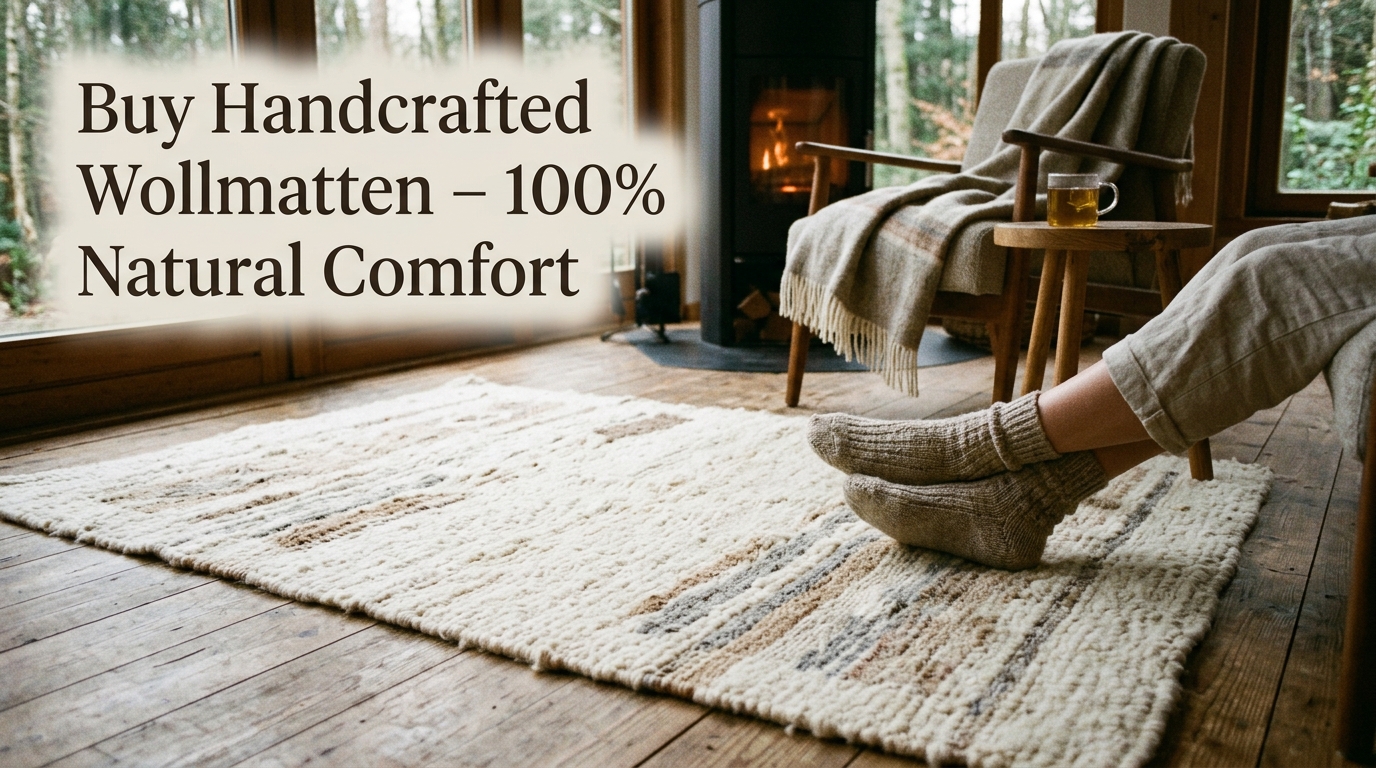
Modern homes increasingly reflect the values of the people who live in them, and natural comfort has never mattered more. When you buy handcrafted Wollmatten, you bring genuine warmth, texture, and artisan quality into your everyday living space. These wool mats combine centuries-old craftsmanship with practical functionality that synthetic alternatives simply cannot replicate. Furthermore, each piece carries the unmistakable character of handmade work, making it unique in ways that machine-made products never achieve. This guide explores everything you need to know before choosing the perfect natural wool mat for your home.
What Are Wollmatten and Why Do They Matter?
Understanding the Basics
Wollmatten is the German word for wool mats, and the term encompasses a broad range of handcrafted textile products. Artisans produce these mats using natural sheep wool that they clean, card, spin, and weave with traditional techniques. Additionally, the production process preserves the natural properties of wool that make it such a remarkable material. Consequently, the finished product delivers insulation, softness, moisture resistance, and durability in a single beautiful object. Understanding what goes into each mat helps you appreciate why these products command the respect they deserve.
A Long Tradition of Woolcraft
Wool craftsmanship stretches back thousands of years across cultures from the Alps to Central Asia and beyond. Therefore, buying a handcrafted wool mat means participating in a tradition that humans have refined over countless generations. Moreover, communities in wool-producing regions have built their livelihoods and cultural identities around this craft for centuries. Additionally, traditional techniques passed from master to apprentice carry design wisdom that no modern machine can fully reproduce. Choosing handcrafted wool products honors this heritage while supporting the artisans who keep it alive today.
Why Natural Materials Win Every Time
Synthetic flooring products flood the market, but natural materials consistently outperform them in long-term comfort and health. Consequently, wool mats regulate indoor temperature by trapping warm air in cold months and releasing heat in summer. Furthermore, natural wool absorbs moisture without feeling wet, making it naturally resistant to mold and mildew growth. Moreover, wool produces no harmful off-gassing, which means it improves indoor air quality rather than compromising it. Families with children, pets, or allergy sensitivities particularly benefit from switching to natural wool floor coverings.
The Handcrafting Process Behind Every Wollmatte
Sourcing Ethical and High-Quality Wool
Every great wool mat begins with ethically sourced fleece from healthy, well-cared-for sheep in clean environments. Therefore, reputable producers select wool from farms that follow humane animal husbandry practices without compromise. Additionally, high-altitude sheep produce particularly fine and resilient wool that performs exceptionally well in home settings. Furthermore, the sourcing process directly impacts the texture, color, and durability of every finished mat. Buyers who care about ethical sourcing can usually find producers who provide full transparency about their supply chain.
Cleaning and Preparing Raw Fleece
Raw wool requires careful cleaning before artisans can begin the crafting process in earnest. Consequently, skilled workers wash the fleece to remove dirt, lanolin excess, and vegetable matter with gentle natural agents. Moreover, they card the cleaned wool by hand or with traditional tools to align the fibers smoothly. Additionally, proper preparation at this stage determines how evenly the wool felts or weaves in the next phase. This attention to preparation distinguishes high-quality handcrafted products from cheaper alternatives that skip critical steps.
Traditional Weaving and Felting Techniques
Artisans use several techniques to transform prepared wool into finished mats with distinct textures and appearances. Therefore, woven mats go through a loom process where artisans interlace wool threads with precision and patience. Furthermore, felted mats take shape through a process of controlled agitation and heat that bonds fibers together permanently. Moreover, some artisans combine both techniques to create mats with layered textures and enhanced durability. Each method produces a different aesthetic outcome, giving buyers a wide range of styles to choose from.
Natural Dyeing for Authentic Color
Many traditional producers use plant-based dyes to add color to their wool mats without chemical intervention. Consequently, colors derived from berries, bark, roots, and minerals produce rich, earthy tones with remarkable depth. Furthermore, natural dyes age gracefully, developing a beautiful patina over time rather than fading into dullness. Additionally, the dyeing process itself becomes part of the artisan’s creative expression and regional identity. Buyers who choose naturally dyed mats invest in a living color story that grows more interesting with each passing year.
Key Benefits of Choosing Handcrafted Natural Wool Mats
Exceptional Thermal Comfort Underfoot
Few sensations compare to stepping onto a soft, warm wool mat on a cold winter morning at home. Therefore, wool mats provide insulation that hard flooring surfaces like tile, stone, or hardwood simply cannot offer. Moreover, wool fibers trap air in tiny pockets that create a natural buffer between your feet and the cold floor. Additionally, this insulation effect works in reverse during warm months, preventing heat from radiating uncomfortably upward. Year-round thermal comfort makes these mats one of the most practical investments you can make in home furnishing.
Natural Moisture Management
Wool handles moisture in a way that most people find genuinely surprising when they first learn about it. Consequently, wool fibers absorb up to thirty percent of their weight in moisture without ever feeling damp to the touch. Furthermore, this moisture management ability makes wool mats excellent choices for bathrooms, kitchens, and entryways. Moreover, the natural structure of wool releases absorbed moisture slowly into the air, promoting healthy humidity levels indoors. This self-regulating quality reduces the need for frequent washing while keeping the mat fresh between cleanings.
Durability That Outlasts Synthetic Alternatives
Synthetic mats often look attractive in the store but deteriorate quickly under regular household foot traffic. Therefore, natural wool mats offer superior durability because wool fibers bend thousands of times before breaking permanently. Furthermore, the natural crimp in wool fibers helps the mat spring back into shape after compression from furniture or feet. Moreover, well-maintained wool mats last for decades, making them a cost-effective choice over any long-term horizon. Investing in quality craftsmanship now means avoiding the repeated replacement costs that cheaper products always eventually demand.
Hypoallergenic and Safe for All Ages
Many families worry about the materials their children and pets come into contact with on the floor daily. Consequently, natural wool mats offer a safe, hypoallergenic option that works well even in homes with sensitive individuals. Furthermore, wool naturally resists dust mites, bacteria, and mold because of its moisture-wicking and antimicrobial fiber structure. Moreover, wool does not attract static electricity, which means it captures fewer airborne particles than synthetic alternatives. Parents and pet owners consistently report improved comfort and reduced allergy symptoms after switching to natural wool floor coverings.
Fire Resistance Without Chemical Treatment
Safety matters deeply when choosing any material that will cover large areas of your home’s floors. Therefore, natural wool offers impressive fire resistance without requiring any chemical flame retardant treatments whatsoever. Furthermore, wool ignites at a higher temperature than most synthetic fibers and self-extinguishes rather than spreading flames. Moreover, wool does not melt or drip when exposed to heat, which reduces injury risk significantly. This natural safety advantage makes wool mats a smart choice for families who prioritize protection alongside comfort and beauty.
Styles and Designs Available in Handcrafted Wool Mats
Traditional Alpine and Nordic Patterns
Alpine and Nordic design traditions produce some of the most beautiful and recognizable wool mat patterns available today. Consequently, geometric motifs, snowflake designs, and interlocking diamond patterns appear frequently in these regional styles. Furthermore, earth tones, deep reds, forest greens, and natural creams dominate the color palettes of traditional Alpine pieces. Moreover, these patterns reflect the landscapes and cultural symbols of the communities that developed them over centuries. Choosing a traditional pattern connects your home to a living cultural heritage that spans generations of skilled craft.
Contemporary Minimalist Designs
Not every buyer wants a heavily patterned mat, and contemporary artisans offer beautiful minimalist options as well. Therefore, solid-color wool mats in natural undyed shades provide a clean, modern aesthetic that complements any interior style. Furthermore, subtle texture variations in the weave create visual interest without relying on complex patterns or bold colors. Moreover, minimalist designs age extremely well because they do not depend on trend-specific color combinations or motifs. Buyers who prefer understated elegance consistently find that natural, undyed wool mats deliver exactly the right kind of quiet sophistication.
Custom and Bespoke Creations
Many artisan producers offer custom design services for buyers who want something truly unique and personally meaningful. Consequently, you can commission a mat in specific dimensions, colors, patterns, or even incorporate personal symbols and initials. Furthermore, custom pieces make extraordinary gifts for weddings, housewarmings, and milestone birthdays that recipients will treasure forever. Moreover, the wait time for bespoke pieces is usually worthwhile because the result exceeds anything available from standard product lines. Working directly with an artisan on a custom piece also creates a personal connection to the maker behind the work.
Runner Mats for Hallways and Staircases
Long runner mats serve both functional and decorative purposes in hallways, staircases, and corridor spaces throughout the home. Therefore, artisans produce these elongated formats in the same high-quality wool and techniques as their larger counterparts. Furthermore, runners protect high-traffic flooring areas while adding warmth and color to transitional spaces that often feel neglected. Moreover, non-slip backings on some runner mats add a practical safety element, especially on wooden staircases used by children. Choosing a matching runner alongside a larger mat creates a cohesive design story throughout your entire living space.
How to Care for Your Natural Wool Mat
Regular Maintenance Keeps Wool Looking Its Best
Proper care extends the life of your wool mat significantly and preserves its beauty for many years. Therefore, shake or beat your mat outdoors regularly to dislodge dust and loose debris from between the fibers. Furthermore, vacuum the mat gently using a low-suction setting to avoid pulling or distorting the wool fibers. Moreover, rotating the mat periodically ensures that foot traffic wears the surface evenly across the entire piece. Additionally, placing a quality mat pad underneath protects the backing and prevents slipping on smooth floor surfaces.
Spot Cleaning and Spill Management
Accidents happen in every household, and knowing how to respond quickly protects your investment from permanent staining. Consequently, blot liquid spills immediately with a clean cloth rather than rubbing the affected area vigorously. Furthermore, use cool water and a mild wool-safe soap to treat stains gently without damaging the fibers. Moreover, avoid hot water because heat causes wool to shrink and felt in ways that ruin the mat’s shape permanently. Additionally, always allow the mat to dry flat in a well-ventilated area away from direct sunlight or heat sources.
Deep Cleaning and Professional Care
Even with careful daily maintenance, wool mats benefit from professional deep cleaning every one to two years. Therefore, seek out a textile specialist who has specific experience with natural wool and traditional handcrafted products. Furthermore, professional cleaners use methods that refresh the wool fibers without stressing the structure or colors of the mat. Moreover, some artisan producers offer cleaning and restoration services that can return older mats to near-original condition. Investing in professional care periodically ensures that your mat remains a beautiful and functional part of your home indefinitely.
Proper Storage During Off-Season Periods
Some households store their decorative mats during summer months when heavy floor coverings feel unnecessary. Consequently, proper storage technique matters enormously for preserving the condition of wool mats between uses. Therefore, clean the mat thoroughly before storage and allow it to dry completely to prevent mold development. Furthermore, roll the mat around an acid-free tube rather than folding it to avoid permanent crease lines. Moreover, store rolled mats in breathable cotton bags rather than plastic, which traps moisture and encourages mildew growth. Cedar blocks placed nearby provide natural moth deterrence without exposing the wool to chemical treatments.
Where to Buy Authentic Handcrafted Wool Mats
Artisan Markets and Craft Fairs
Local artisan markets offer one of the best environments for discovering and purchasing genuine handcrafted wool products. Consequently, you get to meet the maker, examine the product closely, and ask questions about materials and techniques directly. Furthermore, market purchases support artisan livelihoods more directly than buying through third-party retail platforms online. Moreover, seasonal craft fairs often feature regional specialties that you simply cannot find through conventional retail channels. Attending these events regularly helps you build relationships with makers whose work you genuinely admire and collect.
Specialty Online Retailers
Reputable online retailers now offer curated selections of handcrafted wool mats with detailed provenance information. Therefore, look for platforms that provide clear information about the artisan, origin, materials, and production methods. Furthermore, buyer reviews and ratings help identify sellers who deliver consistent quality and reliable customer service. Moreover, some online platforms operate direct-trade models that ensure fair compensation for artisan producers in rural communities. Shopping through these channels lets you access a global selection of handcrafted products without leaving your home.
Directly From Artisan Producers
Buying directly from producers gives you the most transparent and personal purchasing experience available anywhere. Consequently, many artisan workshops now maintain websites or social media profiles where they showcase and sell their work. Furthermore, direct purchases often allow for customization requests and personalized communication about your specific needs. Moreover, establishing a direct relationship with a producer opens the door to future commissions and early access to new collections. This direct connection enriches your ownership experience by grounding each purchase in a real human story.
Final Thoughts
Choosing a natural wool mat means choosing comfort, craftsmanship, sustainability, and beauty in a single thoughtful decision. Furthermore, supporting handcrafted production preserves traditional skills that mass manufacturing consistently threatens to erase from cultural memory. Each mat you bring into your home carries the intention, skill, and care of the artisan who made it. Moreover, the long lifespan, health benefits, and aesthetic richness of natural wool make it an investment that rewards you daily. As more people rediscover the value of handcrafted natural products, wool mats continue to earn their place as timeless essentials in the modern home.