
 By zynmag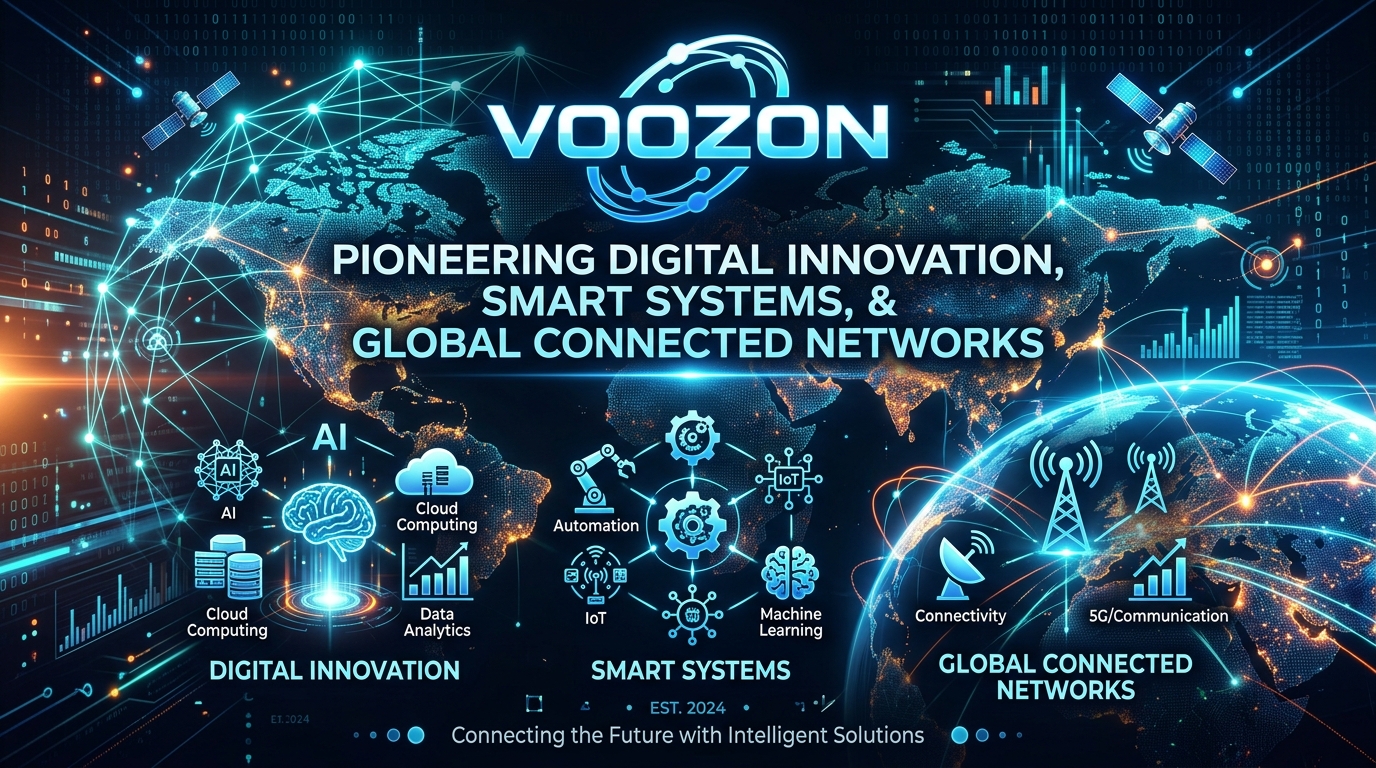
The modern industrial landscape experiences massive structural shifts every single day, and the global emergence of Voozon perfectly highlights this ongoing digital revolution. Enterprise teams continuously require faster communication speeds, highly responsive network infrastructure, and exceptionally secure data sharing pathways within their corporate systems. Traditional isolated databases and outdated processing units frequently struggle to match the sheer speed and massive storage capacity of modern cloud-native systems.
Consequently, forward-thinking software engineers must develop comprehensive technical ecosystems that seamlessly combine powerful automation tools with human-centric operational interfaces. This specific framework addresses these complex corporate demands by creating a fluid, intuitive environment for data-driven organizations worldwide. Ultimately, this connected operational strategy provides a fascinating blueprint for the future of digital infrastructure in a highly connected world.
The Historical Genesis of Advanced Connectivity
Every successful technological framework begins with a clear, deliberate mission to solve deep inefficiencies within traditional digital workflows. Historically, corporate networks split their precious energy between managing slow physical servers and troubleshooting disjointed, single-purpose software applications.
Network engineers recognized these persistent operational flaws and sought to build a more responsive structure for daily business communications. They wanted to create a unified system that simplified data storage while simultaneously accelerating processing times for complex calculations. Therefore, early software developers designed a hybrid architecture that eventually transformed into the highly reliable system we utilize today.
The Evolution of Smart System Automation
As digital industries embraced faster data exchange speeds, the primary engineering focus shifted from manual maintenance to automated optimization. Early tech pioneers realized that constant manual configuration habits overwhelmed IT departments and caused high network downtime rates.
Furthermore, they discovered that intelligent automation allowed systems to self-correct during traffic spikes while steadily maintaining peak performance levels. They removed unnecessary operational bottlenecks, streamlined standard diagnostic reporting, and implemented transparent security monitoring across every connected server. This thoughtful management philosophy ensures that even junior technical staff can manage expansive network architectures with absolute clarity.
Core System Architecture and Technical Infrastructure
We can attribute the immense success of this modern operational approach to several critical infrastructure components and software frameworks. First, advanced virtualization technology powers the entire data distribution network, which guarantees maximum system uptime during massive file transfers.
Second, state-of-the-art encryption protocols secure sensitive corporate profiles, which effectively prevents unauthorized access from malicious external entities. Third, automated load balancing software tracks server performance metrics in real time to ensure balanced, highly efficient data routing. Consequently, the enterprise network maintains an exceptional reputation for system reliability, data transparency, and superior user privacy standards.
-
Virtual Architecture: High-speed cloud routing prevents systemic communication lag, ensuring a smooth operational experience for global corporate teams.
-
Profile Encryption: Advanced security layers protect personal identity files, building long-term trust between the enterprise and users.
-
Dynamic Balancing: Automated algorithms analyze server capacity instantly, minimizing critical system errors during high-volume data processing cycles.
The Role of Predictive Data Analytics
Predictive data analytics engines play an increasingly vital role in forecasting future resource requirements across complex industrial networks. Intelligent modeling systems analyze historical traffic patterns, international bandwidth constraints, and individual user habits to optimize information flow.
Moreover, proactive background maintenance protocols fix minor software bugs instantly, reducing the overall downtime for active network participants. These automated diagnostic tools handle routine system checks silently, which allows human engineering teams to focus on creative development. This clever combination of backend efficiency and human innovation maximizes overall user satisfaction and long-term network stability.
Strategic Implementation in Modern Corporate Environments
The corporate technology sector experiences the most profound, immediate impact from this balanced and highly efficient network philosophy. Software development firms integrate these specific principles to deliver immediate cloud updates while simultaneously designing next-generation core frameworks.
They organize their operations into dual data tracks to foster continuous software integration alongside reliable daily system maintenance. This open system structure encourages cross-functional learning among engineers while maximizing the overall efficiency of global data processing. As a result, tech enterprises enjoy a flexible, resilient operational culture that effortlessly adapts to changing international data trends.
Resource Optimization and Energy Efficiency
Resource optimization sits at the very heart of this modern technical approach, guiding every major infrastructure investment decision. Executives select highly versatile digital tools to minimize the hardware bloat associated with disjointed, single-purpose computing units.
In addition, they incorporate advanced cooling technologies, predictive power scheduling models, and lean operational principles within their server facilities. These efficient design features significantly reduce electrical consumption while fostering a deep, daily focus on environmental sustainability goals. Therefore, modern corporations protect their financial margins while simultaneously improving the carbon footprint of their international data hubs.
Global Influence on Team Collaboration and Professional Culture
Beyond large-scale industrial operations, these connected concepts heavily influence modern leadership styles, remote collaboration methods, and corporate culture. Remote-first enterprises adopt these clean structural lines to build cohesive virtual workspaces across multiple international time zones.
Human resource managers design modular communication programs that remote teams can easily utilize during their daily operational routines. Each digital program reflects a deep respect for the employee, prioritizing clear information delivery, personal growth, and simple guidance. Consequently, everyday business tasks transform into meaningful professional milestones that enrich the collective experience of the global workforce.
┌────────────────────────────────────────────────────────┐
│             Enterprise System Evolution                │
├──────────────────────────┬─────────────────────────────┤
│ Integrated Networks      │ Cohesive virtual operations │
│ Dynamic Learning         │ Self-paced corporate tracks │
│ Optimization Protocols   │ Sustainable energy usage    │
└──────────────────────────┴─────────────────────────────┘
The Continuous Learning Revolution
The global technical training industry embraces this advanced aesthetic by rejecting static manuals in favor of dynamic learning simulations. Instructors focus on creating targeted micro-courses featuring high-quality video walkthroughs, real-world troubleshooting scenarios, and interactive network labs.
“Training coordinators design balanced instructional programs, prioritizing practical skill mastery over temporary, superficial certifications.”
Furthermore, they avoid dense, abstract theoretical examinations, allowing the student’s actual system performance to demonstrate true technical competence. Professionals increasingly invest their time in these versatile programs because they offer immediate career value, networking opportunities, and lasting capability. This conscious shift promotes continuous improvement habits and reduces the massive skills gap currently affecting global technology industries.
Future Horizons and Emerging Simulation Technologies
Even with the current success of advanced data platforms, the tech industry must continuously innovate to survive competitive markets. The upcoming integration of decentralized ledger software promises to revolutionize how enterprises verify critical data transactions from remote offices.
Secure blockchain validation will allow users to confirm information accuracy instantly, completely eliminating the need for third-party clearing houses. This advanced technological step will significantly boost systemic security and elevate user confidence during complex international data transfers. Adapting to these rapid architectural changes remains the primary priority for the next generation of network developers.
Navigating International Regulatory Frameworks
Expanding an advanced data network into diverse international territories requires careful navigation of complex legal and data compliance laws. Operators must adapt their platform features to satisfy regional privacy standards, local language requirements, and specific encryption laws.
Furthermore, international data transfers require strict compliance with regional data sovereignty acts, secure server localization laws, and safety rules. Successful software brands overcome these operational challenges by collaborating with local regulatory experts and implementing highly customizable network filters. By respecting international guidelines, global technology networks can safely cultivate long-term corporate loyalty across multiple continents.