
 By zynmag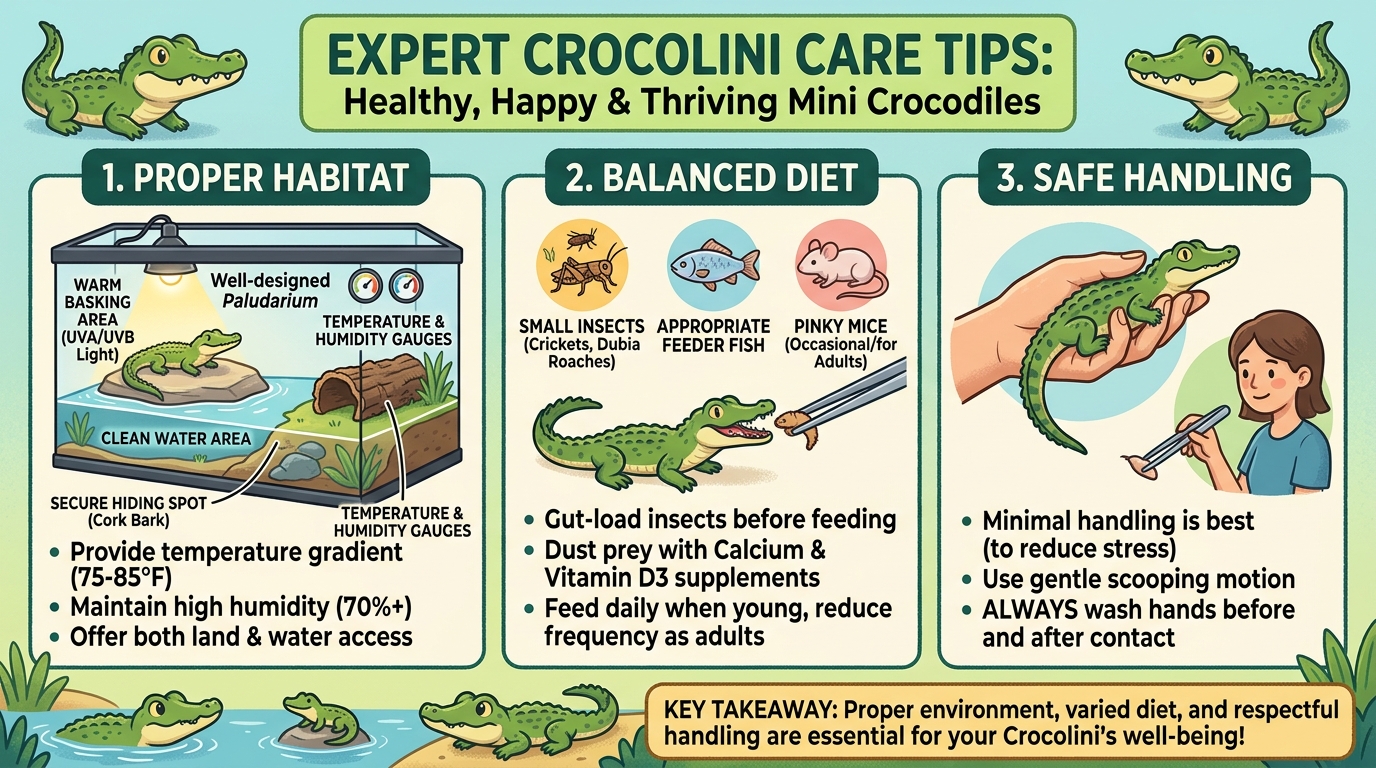
Introduction: The Fascinating World of Mini Crocodile Ownership
Owning an exotic reptile brings incredible rewards along with serious responsibilities every dedicated owner must embrace. Crocolini care demands knowledge, patience, and a deep respect for these remarkable ancient creatures. Therefore, anyone considering a mini crocodile as a pet should prepare thoroughly before bringing one home. These small but powerful reptiles carry complex biological needs that differ greatly from common household pets. Furthermore, understanding their natural behaviors, dietary preferences, and environmental requirements ensures a long and thriving life. This guide walks you through every essential aspect of responsible mini crocodile ownership confidently.
Understanding Your Crocolini: Know What You Are Keeping
Every successful reptile owner begins with a thorough understanding of the animal they choose to keep. Crocolinis belong to the crocodilian family and retain many wild instincts despite their compact size. Moreover, these creatures live long lives, sometimes exceeding thirty years with proper care and consistent attention. Their semi-aquatic nature means they require both water access and dry basking areas simultaneously at all times. Additionally, mini crocodiles possess incredibly powerful jaws relative to their small body size and apparent gentleness. Therefore, respecting their instincts and natural behaviors forms the absolute foundation of responsible ownership.
Setting Up the Perfect Habitat: Space, Water, and Land
A well-designed enclosure directly determines the overall health and happiness of your mini crocodile daily. Crocolinis need spacious tanks that accommodate both deep swimming zones and elevated dry basking platforms comfortably. Furthermore, a minimum enclosure size of six feet in length suits a single adult specimen adequately. The water section should maintain a depth that allows full submersion without crowding the available space. Moreover, the basking platform must sit under a heat lamp that reaches temperatures between 90 and 95 degrees. Consequently, replicating natural tropical conditions helps your crocolini regulate body temperature effectively and consistently.
Water Quality: The Lifeline of Your Mini Crocodile’s Health
Clean water plays an absolutely critical role in preventing disease and supporting daily physiological functions. Crocolinis spend significant time submerged, so contaminated water directly affects their skin, eyes, and respiratory health. Therefore, invest in a powerful filtration system capable of handling heavy biological waste production efficiently. Furthermore, perform partial water changes every week to maintain chemical balance and remove harmful ammonia buildup. Test water parameters regularly using aquatic test kits designed for reptile or aquatic environments specifically. Consequently, consistent water maintenance prevents the bacterial infections that commonly trouble neglected crocodilian setups worldwide.
Temperature and Humidity: Getting the Climate Right
Reptiles depend entirely on external heat sources to regulate their internal body temperature throughout the day. Crocolinis thrive in environments where ambient air temperature stays consistently between 80 and 85 degrees Fahrenheit. Moreover, nighttime temperatures should never drop below 75 degrees, as cold stress weakens their immune system. Humidity levels between 70 and 80 percent mimic the tropical wetlands these animals naturally inhabit year-round. Additionally, misting the enclosure daily helps maintain appropriate moisture levels without over-saturating the dry basking areas. Therefore, precise climate control represents one of the most important investments any serious keeper makes early.
Feeding Your Crocolini: Building a Nutritious and Balanced Diet
Nutrition directly fuels every biological process that keeps your mini crocodile active, strong, and disease-resistant. Crocolinis eat primarily protein-rich foods including whole fish, feeder mice, shrimp, and appropriately sized insects. Furthermore, offering whole prey items ensures your crocodilian receives essential minerals, fats, and vitamins naturally. Feed juveniles every two to three days while adult specimens eat satisfying meals twice weekly comfortably. Moreover, avoid processed meats, seasoned foods, and nutritionally incomplete feeder insects that lack proper gut-loading preparation. Consequently, a varied and species-appropriate diet significantly reduces the risk of metabolic disorders and nutritional deficiencies.
Handling and Socialization: Building Trust Safely and Slowly
Handling a mini crocodile requires far more caution, technique, and patience than handling common reptile pets. Crocolinis do not socialize instinctively, so owners must build trust incrementally through consistent and gentle interaction. Therefore, begin handling sessions during the first weeks with extremely brief, calm, and deliberate contact only. Furthermore, always support the animal’s full body weight to prevent stress, injury, and defensive reactions. Never approach your crocolini from above, as this motion triggers a natural predatory threat response immediately. Moreover, reading body language carefully helps you recognize stress signals before they escalate into defensive biting behavior.
Health Monitoring: Recognizing Warning Signs Early
Proactive health monitoring gives owners the best chance of catching and treating problems before they worsen. Healthy crocolinis display clear eyes, smooth skin, strong appetites, and regular active movement throughout their enclosure. However, lethargy, refused meals, cloudy eyes, or skin discoloration often signal underlying health concerns requiring attention. Furthermore, respiratory infections produce audible wheezing sounds and excessive mucus around the nostrils and mouth area. Therefore, establish a relationship with an exotic reptile veterinarian before any health emergency actually occurs. Consequently, annual wellness checkups and prompt attention to warning signs dramatically extend your mini crocodile’s healthy lifespan.
Common Health Issues and How to Prevent Them
Several preventable health problems commonly affect mini crocodiles kept in suboptimal or poorly maintained enclosures. Metabolic bone disease develops when owners fail to provide adequate UVB lighting and calcium-rich dietary supplementation. Moreover, mouth rot, a painful bacterial infection, spreads rapidly in environments with poor sanitation and stagnant water. Respiratory infections often result from enclosures running consistently too cold or too damp without proper ventilation. Additionally, parasitic infestations occur when owners feed wild-caught prey without proper quarantine or veterinary inspection protocols. Therefore, prevention through habitat excellence, dietary quality, and regular veterinary oversight eliminates most common health risks entirely.
Legal Considerations: Know Your Local Regulations
Exotic reptile ownership carries significant legal responsibilities that every prospective owner must research thoroughly beforehand. Many regions restrict or outright prohibit private ownership of crocodilian species regardless of their miniature size. Furthermore, transportation, sale, and breeding of these animals often require specific permits and detailed documentation. Therefore, contact your local wildlife authority before purchasing any crocodilian to confirm legality in your jurisdiction. Moreover, responsible sourcing from reputable captive breeders ensures your animal arrives legally, ethically, and in excellent health. Consequently, complying with all applicable laws protects both the owner and the broader wild crocodilian population globally.
Enrichment and Mental Stimulation: A Happy Crocodile Thrives
Mental stimulation matters more than most reptile owners initially realize when setting up a new enclosure. Crocolinis benefit enormously from environmental enrichment that encourages natural hunting, exploring, and problem-solving behaviors daily. Therefore, rearrange enclosure furniture periodically to introduce novelty and prevent the boredom that causes chronic stress. Furthermore, offering live prey occasionally activates natural stalking instincts and provides meaningful physical and cognitive exercise. Hiding spots, submerged logs, and textured surfaces all contribute to a richer and more stimulating daily environment. Consequently, a mentally engaged crocolini displays healthier behaviors, eats more enthusiastically, and ages far more gracefully.
Conclusion: Commit Fully or Reconsider Carefully
Mini crocodile ownership rewards deeply committed individuals who approach the responsibility with genuine dedication and preparation. However, these animals demand decades of consistent care, significant financial investment, and ongoing educational commitment from owners. Therefore, honestly evaluate your lifestyle, resources, and long-term availability before welcoming a crocolini into your home. Furthermore, connecting with experienced exotic reptile communities provides invaluable real-world guidance beyond what any single article delivers. Ultimately, a well-cared-for crocolini becomes one of the most extraordinary and awe-inspiring companion animals imaginable. Consequently, the effort you invest returns tenfold through the privilege of sharing your life with living prehistoric magnificence.