
 By zynmag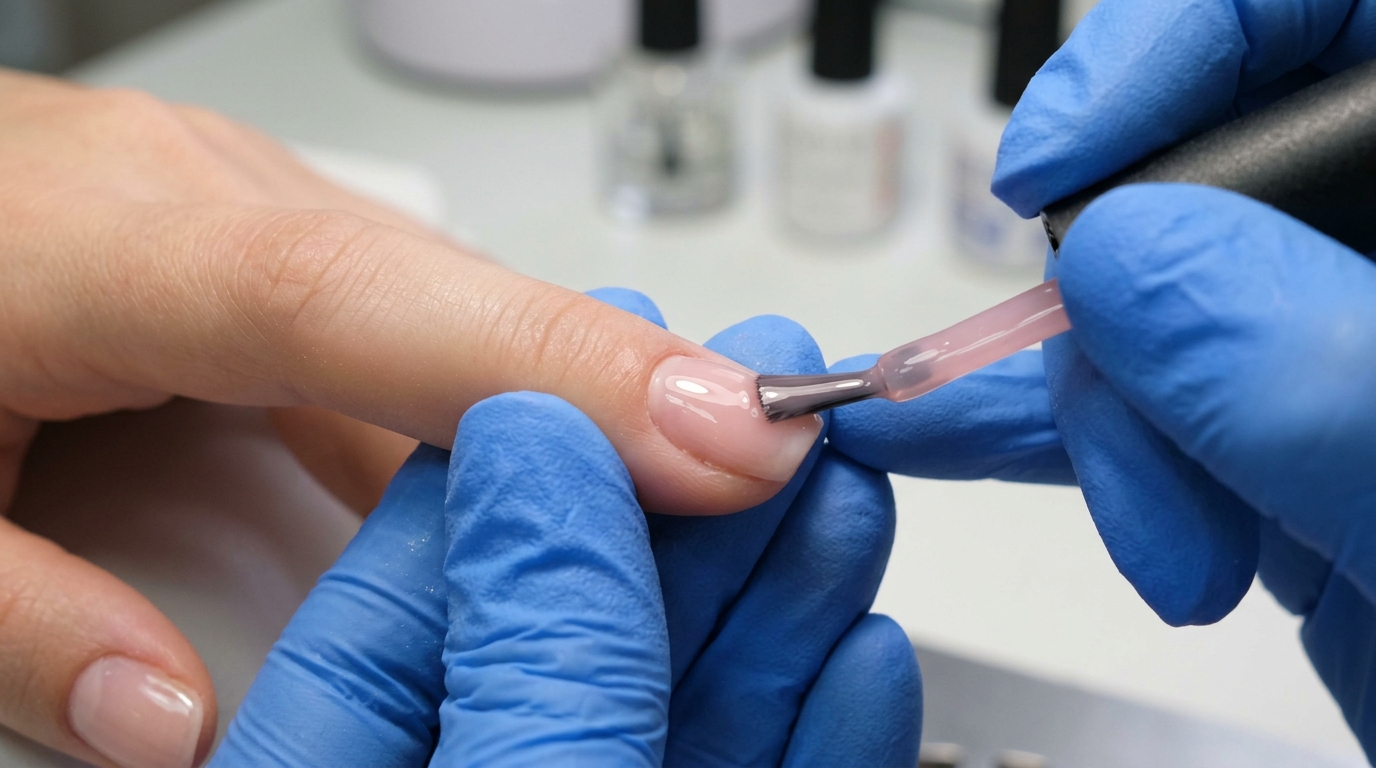
A gel manicure is a professional nail treatment that uses special gel-based polish cured under ultraviolet or LED light. Furthermore, this treatment delivers a glossy, chip-resistant finish that lasts significantly longer than traditional nail polish. Millions of people worldwide choose this option because it combines durability with a beautifully polished appearance. In addition, the results look incredibly salon-fresh for up to three to four weeks without fading. Moreover, understanding everything about this treatment helps you make smarter, healthier decisions for your nails confidently.
Understanding the Basics of a Gel Manicure
How Does Gel Polish Actually Differ From Regular Polish?
Regular nail polish air-dries slowly and begins chipping within just a few days. In contrast, gel polish contains special photoinitiators that harden instantly under UV or LED light. Furthermore, this curing process creates a much stronger and more flexible bond on the nail surface. Consequently, the finish resists everyday chips, smudges, and scratches far more effectively than traditional options.
Traditional polish also sits on top of the nail without bonding chemically to the surface. However, gel formula penetrates slightly and adheres with significantly greater strength and durability. Moreover, gel polish maintains its brilliant shine throughout the entire wear period consistently. Therefore, people who use their hands heavily throughout the day benefit enormously from this upgrade.
What Types of Gel Manicures Exist?
The beauty industry offers several distinct variations of this popular nail treatment today. Soft gel, also called soak-off gel, removes easily with acetone without requiring harsh filing. Furthermore, hard gel builds significant length and structure, making it ideal for nail extensions. In addition, gel polish over natural nails remains the most popular and accessible option for everyday clients.
Builder gel in a bottle, commonly known as BIAB, has also gained remarkable popularity recently. This thicker formula strengthens weak or brittle nails while still delivering a beautiful gel finish. Moreover, hybrid gel polishes combine elements of regular and gel formulas for easier application. Therefore, visiting a knowledgeable nail technician helps you identify the most suitable option for your specific needs.
The Complete Step-by-Step Gel Manicure Process
Step 1 — Nail Preparation and Shaping
Every professional gel appointment begins with thorough nail preparation and careful shaping. The technician removes any existing polish, oil, or residue from every nail surface completely. Furthermore, they file and shape the nails according to the client’s preferred style and length. Consequently, clean and properly shaped nails ensure the gel adheres evenly and lasts longer.
The technician also gently pushes back the cuticles without cutting them unnecessarily aggressively. In addition, light buffing of the nail surface creates a slightly rough texture for better adhesion. This preparation stage takes roughly ten to fifteen minutes in a professional setting. Therefore, never skip or rush this crucial step, as it determines the entire longevity of the result.
Step 2 — Applying the Base Coat
After preparation, the technician applies a thin layer of gel base coat over each nail. This base coat acts as a bonding agent between the natural nail and the colored gel. Furthermore, it prevents staining and protects the nail plate from direct chemical exposure during wear. The technician then places the hand under a UV or LED lamp for the specified curing time.
Curing time for the base coat typically ranges from thirty to sixty seconds under LED lamps. Moreover, UV lamps take slightly longer but achieve the same hardening result effectively. The technician checks each nail carefully to ensure complete and even curing throughout. In addition, a properly cured base coat creates the foundation for a long-lasting and beautiful finish.
Step 3 — Applying the Color Gel Polish
Next, the technician applies the first thin layer of chosen color gel polish meticulously. Thin layers cure more effectively and prevent bubbling, wrinkling, or uneven texture later. Furthermore, they cure this first color layer under the lamp before applying the second coat. Consequently, building up color in thin layers creates a more vibrant and even final appearance.
Most gel colors require two to three thin coats for full opacity and rich color. Moreover, the technician works carefully to avoid flooding the cuticle area with excess product. Each layer receives its own dedicated curing cycle under the appropriate lamp. In addition, this layering technique contributes significantly to the overall strength and durability of the finished manicure.
Step 4 — Applying and Curing the Top Coat
The final gel top coat seals all the color layers and creates the signature glossy finish. This layer also adds an extra barrier against chipping, scratching, and everyday environmental damage. Furthermore, the technician cures this top coat under the lamp for the final time in the process. As a result, the nails emerge from the lamp completely hardened and instantly ready to use.
Some top coats leave a tacky residue called the inhibition layer on the nail surface. The technician wipes this layer away with a lint-free wipe soaked in cleanser quickly. Moreover, doing so reveals the brilliant, glass-like shine that makes this treatment so desirable. In addition, matte top coats offer a trendy alternative for clients who prefer a non-glossy finish.
Step 5 — Finishing and Cuticle Care
The technician completes the service by applying cuticle oil generously around every nail. Cuticle oil nourishes the surrounding skin and prevents uncomfortable dryness after the treatment. Furthermore, massaging the oil into the cuticles promotes healthy nail growth over time. Consequently, this final step transforms a basic nail service into a genuinely nourishing experience.
Key Benefits of Choosing a Gel Manicure
Long-Lasting Chip-Free Results
The most celebrated advantage of this treatment is its remarkable and consistent longevity. Most clients enjoy perfectly chip-free nails for anywhere between two to four weeks comfortably. Furthermore, the cured formula withstands daily activities like washing dishes, typing, and exercising impressively. Therefore, people who want low-maintenance, always-polished nails find this treatment completely life-changing.
Instantly Dry and Ready Nails
One of the most frustrating aspects of traditional polish involves waiting for it to dry fully. However, gel polish cures completely under the lamp in just thirty to sixty seconds. Consequently, clients leave the salon without any risk of smudging or denting their fresh manicure. Moreover, this instant-dry quality makes the entire appointment far more efficient and convenient overall.
Beautifully Glossy and Professional Appearance
The shine that gel delivers surpasses what any traditional polish can achieve independently. The cured surface reflects light beautifully and maintains that mirror-like gloss throughout the entire wear period. Furthermore, the color stays vibrant and true without dulling, yellowing, or fading prematurely. As a result, nails consistently look freshly done even several weeks after the original appointment.
Strengthening Benefits for Fragile Nails
Certain gel formulas, particularly BIAB and builder gels, actively strengthen weak and brittle nails. The added layer of cured gel acts as a protective shield over the natural nail plate. Moreover, this protection prevents breaking, peeling, and splitting during the wear period effectively. Therefore, clients who struggle with naturally weak nails often experience remarkable improvement with regular gel applications.
Wide Range of Colors and Finishes
The gel polish market offers an almost limitless variety of colors, effects, and finishes today. Clients choose from classic nudes, bold brights, deep jewel tones, and everything in between easily. Furthermore, specialty finishes like chrome, glitter, magnetic, and holographic create stunning and unique nail art. In addition, nail technicians can combine multiple techniques to create completely personalized and artistic designs.
Potential Risks and Concerns to Understand
UV Light Exposure During Curing
One frequently discussed concern involves exposure to ultraviolet light during the curing process. Traditional UV lamps emit more UV radiation compared to the newer LED alternatives available now. Furthermore, dermatologists sometimes recommend applying broad-spectrum sunscreen to the hands before each appointment. Consequently, taking this simple precaution significantly reduces any potential long-term UV-related skin concerns.
Nail Thinning From Improper Removal
Removing gel polish incorrectly causes far more damage than the treatment itself ever would. Peeling or forcibly pulling off gel polish removes layers of the actual natural nail plate. Moreover, this habit leads to thinning, weakening, and significant long-term damage over time. Therefore, always visiting a professional or following the correct soak-off removal process protects nail health effectively.
Potential Allergic Reactions to Gel Chemicals
Some individuals develop sensitivities or allergic reactions to specific chemicals within gel formulas. The most common culprit involves acrylates, which appear in many standard gel and acrylic products. Furthermore, reactions may manifest as redness, itching, swelling, or persistent discomfort around the nail area. Therefore, always inform your technician about any known skin sensitivities before beginning any gel service.
Risk of Over-Filing and Nail Damage
Some technicians over-file the nail surface during preparation, which causes unnecessary thinning and weakness. Choosing a skilled and experienced professional minimizes this risk significantly and consistently. Moreover, the nail surface only requires very light buffing rather than aggressive filing for proper adhesion. In addition, asking your technician about their preparation process beforehand demonstrates informed and proactive nail care.
Safe and Correct Gel Manicure Removal
The Soak-Off Removal Method
Proper removal always begins with gently filing the shiny top coat surface lightly. This breaks the seal and allows the acetone to penetrate the gel layers effectively below. Furthermore, soaking cotton pads generously in pure acetone and placing them on each nail follows next. Wrapping each fingertip in aluminum foil holds the soaked cotton firmly in place throughout the process.
After ten to fifteen minutes, the gel softens and begins lifting away from the nail surface. The technician then uses a gentle cuticle pusher to slide off the loosened gel carefully. Moreover, never scraping or forcing resistant gel prevents unnecessary damage to the underlying nail plate. In addition, repeating the soak for a few extra minutes handles any stubborn remaining product effectively.
Nourishing the Nails After Removal
Nails typically feel slightly dry and sensitive immediately following the removal process. Therefore, applying a generous amount of nourishing cuticle oil directly after removal helps enormously. Furthermore, using a strengthening nail treatment or base coat supports recovery between gel applications. Moreover, giving nails an occasional break from gel allows them to breathe and restore their natural strength.
When to See a Professional for Removal
Clients who notice lifting, air pockets, or significant peeling should visit a professional promptly. Attempting to remove compromised gel at home increases the risk of accidental nail damage. Furthermore, a professional can safely remove the existing product and assess the nail health underneath. In addition, they can recommend the best course of action for restoring nail strength and condition.
Gel Manicure Aftercare Tips for Longer Wear
Apply Cuticle Oil Daily Without Fail
Daily cuticle oil application keeps both the nails and surrounding skin healthy and hydrated. Well-moisturized cuticles prevent painful lifting and cracking around the edges of the gel. Furthermore, nourished nails maintain a more flexible bond with the gel, extending overall wear time. Therefore, keeping a small cuticle oil pen in your bag makes consistent daily application wonderfully convenient.
Wear Gloves During Household Chores
Prolonged exposure to water and harsh cleaning chemicals breaks down the gel bond prematurely. Wearing rubber gloves while washing dishes or cleaning protects the manicure from unnecessary damage. Moreover, hot water softens the gel seal and causes lifting around the cuticle area faster. Consequently, this simple habit can add several extra days of perfect wear to any gel treatment.
Avoid Using Nails as Tools
Using fingernails to open cans, peel stickers, or scrape surfaces causes immediate and significant damage. This behavior chips, cracks, or completely lifts the gel from the nail plate unnecessarily. Furthermore, it can also cause painful breaks in the natural nail underneath the gel layer. Therefore, developing the habit of using proper tools protects both the manicure and the nail health.
Book Timely Infills or Removal Appointments
As natural nails grow, a visible gap appears between the gel and the cuticle area. Most clients need an infill or removal appointment every three to four weeks for this reason. Furthermore, leaving gel on beyond six weeks increases the risk of moisture trapping and potential infection. Therefore, maintaining a regular appointment schedule keeps nails healthy, beautiful, and properly maintained consistently.
Gel Manicure vs. Other Popular Nail Treatments
Gel vs. Acrylic Nails
Acrylic nails use a combination of liquid monomer and powder polymer to build extensions. In contrast, gel uses light-cured formulas that feel more flexible and natural on the nail. Furthermore, gel tends to look more glossy and natural compared to the slightly thicker acrylic finish. However, acrylics generally offer more structural strength for clients who want significant length extensions.
Gel vs. Dip Powder Nails
Dip powder nails involve dipping fingertips into colored powder and sealing with a special activator. This method skips the UV curing step entirely, which some clients prefer for convenience. Furthermore, dip powder tends to last a similar length of time as gel under normal conditions. However, gel generally delivers a smoother and more consistently glossy finish than the powder alternative.
Gel vs. Regular Nail Polish
Regular nail polish requires no special equipment and costs significantly less than professional gel services. However, it chips within days and never achieves the same level of durability or shine. Furthermore, traditional polish takes considerably longer to dry fully and smudges extremely easily. Therefore, clients who prioritize longevity, appearance, and convenience consistently prefer the gel option overall.
How to Choose the Right Nail Salon for This Treatment
Verify Proper Sanitation and Hygiene Standards
Always observe how thoroughly a salon cleans and sanitizes its tools and workstations between clients. Proper sterilization of metal tools and disposable files protects you from bacterial and fungal exposure. Furthermore, reputable salons use fresh files and buffers for every individual client without exception. In addition, clean and organized workstations signal a professional and health-conscious approach to nail services.
Look for Experienced and Certified Technicians
A trained and certified nail technician understands the chemistry and correct application techniques fully. They apply thin, even layers and never rush through the critical preparation or curing stages. Moreover, experienced technicians recognize signs of nail damage and adjust their approach accordingly. Therefore, choosing certification and experience over low price protects both your nails and your overall health.
Ask About the Products and Lamps They Use
Professional-grade gel products perform better and carry fewer risks than cheaper alternatives consistently. Asking about the lamp type also matters, as LED lamps cure faster and emit less UV. Furthermore, reputable salons invest in quality products because they genuinely care about client results and safety. In addition, a confident technician always welcomes informed questions without hesitation or discomfort.
Final Thoughts on Getting a Gel Manicure
This treatment genuinely combines beauty, practicality, and durability in one remarkably satisfying nail service. Moreover, understanding the process, benefits, and risks empowers you to make truly informed decisions every time. Choosing a skilled technician, following proper aftercare, and removing the product correctly protects your nail health beautifully. Furthermore, enjoying occasional breaks between applications allows your natural nails to recover and rebuild their strength.
In conclusion, this nail treatment suits almost anyone who values long-lasting, polished, and professional-looking nails consistently. The variety of colors, finishes, and styles available makes every appointment a genuinely creative and personal experience. Therefore, approach each visit with both excitement and awareness, and your nails will always thank you for the care.