
 By zynmag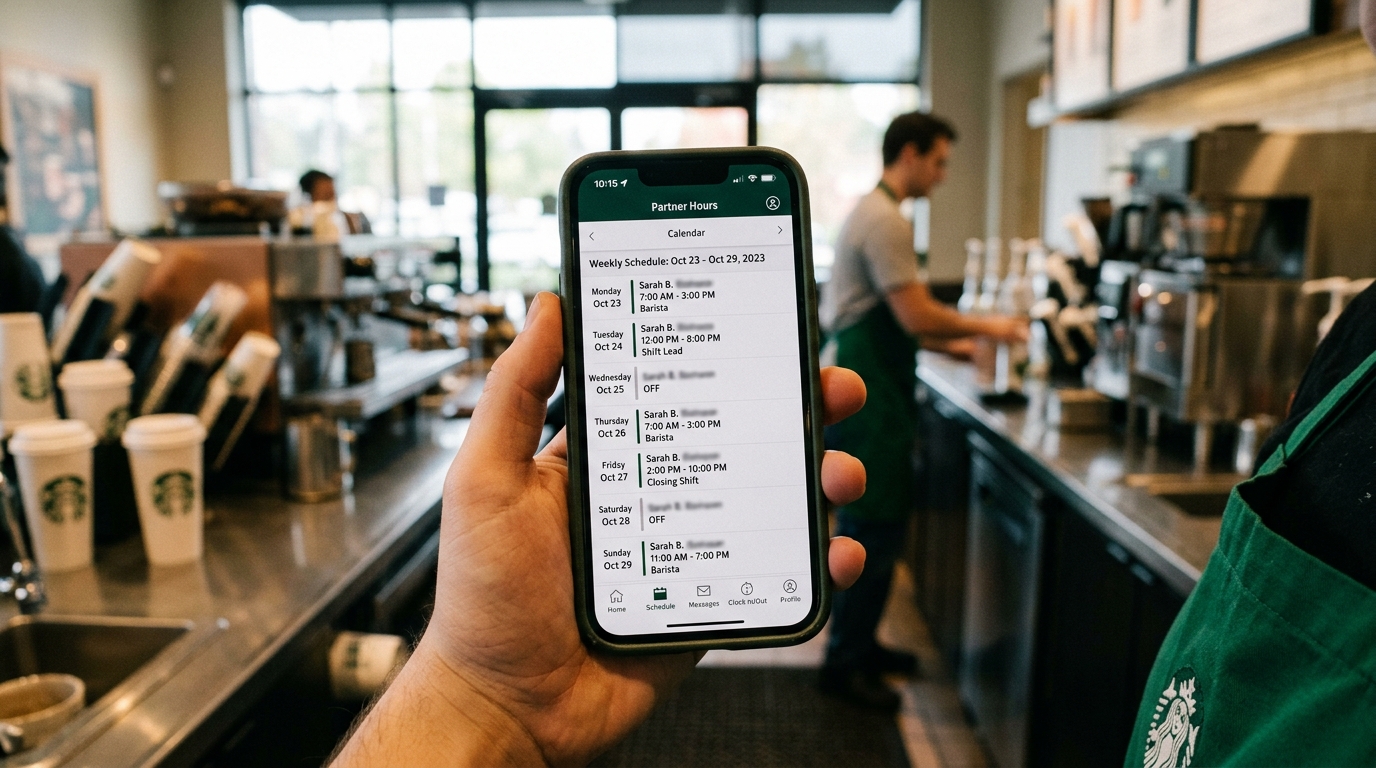
Every coffee lover eventually finds themselves wondering about the best times to visit their favorite neighborhood location without facing long lines. The Starbucks schedule directly impacts your daily coffee experience, your wait time, and the overall quality of service you receive. Furthermore, understanding how this globally recognized coffee chain structures its operating hours helps customers plan visits far more efficiently and enjoyably. Therefore, whether you visit daily or occasionally, knowing the scheduling patterns saves you time, frustration, and occasionally even money throughout your coffee routine.
How Starbucks Structures Its Operating Hours
Understanding the General Framework Behind Location-Specific Timing
Starbucks operates thousands of locations worldwide, and each individual store sets its hours based on local customer demand and market characteristics. Additionally, corporate guidelines provide a general framework while franchise operators and licensed location managers retain meaningful flexibility in their specific scheduling decisions. Furthermore, standalone locations typically maintain different hours than those operating inside grocery stores, airports, hospitals, or university campuses with their own distinct traffic patterns.
Moreover, most traditional standalone locations open early enough to capture the lucrative morning commuter traffic that drives significant daily revenue for the entire brand. Consequently, you typically find most neighborhood locations opening between five and six in the morning on standard weekdays throughout most markets. Therefore, understanding that hours vary meaningfully by location type, market size, and local demographics helps you avoid the frustration of arriving at a closed or about-to-close store unexpectedly.
Typical Weekday Operating Hours
What Most Customers Experience From Monday Through Friday
Weekday schedules reflect the working population’s coffee consumption patterns, which create highly predictable demand curves that experienced managers staff accordingly. Therefore, most traditional standalone locations open their doors between five and six in the morning to capture early rising commuters and dedicated coffee enthusiasts. Additionally, these locations typically remain open until eight, nine, or ten in the evening depending on neighborhood demographics and the after-work customer traffic they regularly attract.
Furthermore, locations in dense urban business districts often extend their evening hours to accommodate professionals working late or socializing after normal business hours. Moreover, suburban neighborhood locations serving primarily residential communities may close earlier because their customer traffic typically drops significantly after the evening dinner period concludes. As a result, your local store’s specific weekday hours reflect the genuine consumption patterns of the particular community it serves rather than following any single universal corporate mandate.
Morning Rush Hours on Weekdays
The period between six thirty and nine thirty in the morning represents the most intensely busy window across virtually every traditional location operating in commuter-heavy markets. Additionally, this morning rush creates the longest wait times, the highest transaction volumes, and the most demanding operational conditions that barista teams navigate throughout any given business day. Furthermore, customers who arrive during peak morning windows should anticipate wait times significantly longer than those they experience during quieter midday or afternoon periods.
Moreover, mobile ordering through the official app dramatically reduces perceived wait time during morning rush periods by allowing customers to submit orders before they physically arrive. Consequently, savvy regular customers leverage mobile ordering specifically during peak morning windows to bypass the standard ordering queue that slower ordering methods require. Therefore, if your schedule permits any flexibility whatsoever, arriving either before six forty-five or after nine thirty dramatically improves your morning coffee experience and reclaims valuable minutes from your busy day.
Weekend Hours and Their Unique Patterns
Saturday and Sunday Schedules Reflect Very Different Customer Behavior
Weekend operating hours typically differ from weekday patterns because customer behavior, traffic timing, and peak demand windows shift significantly without the standard workday commute structure. Additionally, many locations open thirty to sixty minutes later on weekends because the early commuter traffic that justifies very early weekday openings simply does not materialize on Saturday and Sunday mornings. Furthermore, weekend closing times often extend later than weekday equivalents because evening social activity creates sustained customer demand well into nighttime hours.
Moreover, Saturday mornings generate a distinctive leisurely peak period that differs fundamentally in character from the rushed, efficiency-focused weekday morning rush experience. Consequently, weekend visitors typically experience a somewhat more relaxed store atmosphere even during busy periods because customers generally move through their orders without the intense time pressure that weekday commuters consistently bring. Therefore, if you prefer a more enjoyable, unhurried coffee experience, weekend mid-morning visits between ten and eleven often deliver surprisingly pleasant service conditions across most locations.
Sunday Specifically
Sunday schedules frequently represent the most relaxed operating day across most traditional standalone locations in residential neighborhoods. Additionally, many locations open later on Sundays than any other day of the week, sometimes not opening until six or seven in the morning depending on local demand patterns. Furthermore, Sunday afternoon and early evening traffic tends to build gradually as customers engage in weekend errands, social visits, and pre-week preparation activities that bring them into coffee shops.
Moreover, Sunday closing times vary more dramatically across individual locations than any other day because local management has the greatest discretion in adjusting Sunday hours to match their specific community’s weekend behavior patterns. As a result, checking your specific location’s Sunday hours through the official app before making a dedicated trip saves you the disappointment of discovering unexpected closures or earlier-than-anticipated closing times. Therefore, Sunday visits reward customers who verify hours in advance rather than assuming the location operates on the same schedule as any other day of the week.
Holiday Hours and Special Scheduling
Navigating the Inevitable Variations That Holidays Create
Major holidays create scheduling complexity that catches many regular customers off guard because locations modify their hours significantly during these periods. Therefore, understanding how the brand typically approaches holiday scheduling helps you plan coffee runs during special occasions without unwelcome surprises or disappointments. Additionally, most locations remain open on major holidays but operate with reduced hours that typically shorten both morning opening and evening closing times considerably.
Furthermore, Thanksgiving Day represents one of the most significantly reduced operating days across the network with many locations opening late and closing unusually early. Moreover, Christmas Day sees widespread closures across many markets because the brand recognizes that its workforce deserves meaningful time with their families during the most significant holiday of the year. As a result, dedicated customers planning holiday coffee visits should always verify specific location hours through the app or by calling the store directly several days before their planned visit.
Holiday Season Peak Period
The period between late November and early January creates uniquely intense operational demands as holiday beverage menus drive dramatically increased customer traffic across all location types. Additionally, this period requires expanded staffing, extended training for seasonal menu items, and careful scheduling management to prevent service quality from deteriorating under the pressure of elevated demand. Furthermore, customers visiting during the holiday season should anticipate somewhat longer wait times even during periods that typically remain quiet during the rest of the calendar year.
Moreover, holiday season mornings particularly during the week following Thanksgiving frequently rank among the busiest single days that individual locations experience throughout their entire annual operating calendar. Consequently, mobile ordering becomes especially valuable during the holiday season because it allows customers to bypass increasingly long in-store queues that build rapidly during peak holiday traffic windows. Therefore, developing a consistent mobile ordering habit specifically during the holiday season represents one of the most practical strategies any regular customer can adopt for maintaining their preferred coffee routine without disruption.
Drive-Through Location Hours
How Drive-Through Scheduling Differs From Traditional Café Formats
Drive-through locations frequently operate with extended hours that significantly surpass those of traditional café-format stores in the same market areas. Additionally, the drive-through format serves customers who never leave their vehicles, which creates operational efficiency that supports both earlier openings and later closings than walk-in café formats typically sustain. Furthermore, some drive-through only locations in high-traffic areas operate twenty-four hours daily, serving the overnight and early morning customers that café-format locations never attempt to capture.
Moreover, drive-through locations adjacent to major highways, near hospitals, and in areas with significant overnight working populations justify extended hours because genuine customer demand sustains these longer operating windows profitably. As a result, night shift workers, early morning travelers, and late-night coffee seekers increasingly rely on drive-through locations as their primary access point for consistent, quality coffee service outside normal business hours. Therefore, if your coffee needs frequently arise outside standard daytime hours, identifying the nearest drive-through location in your area represents a genuinely practical and worthwhile investment of a few minutes’ research time.
Licensed Store Hours Within Other Businesses
Understanding the Unique Scheduling Reality of Embedded Locations
Thousands of locations operate within grocery stores, big-box retailers, bookstores, airports, hotels, and university facilities rather than as standalone independent stores. Additionally, these licensed locations must align their operating hours with the host business’s own schedule rather than setting independent hours based purely on coffee customer demand patterns. Furthermore, a location inside a grocery store that closes at ten in the evening cannot remain open past that point regardless of how much customer demand might theoretically support later hours.
Moreover, airport locations represent perhaps the most extreme example of host-business-dependent scheduling because major international airports operate around the clock and their embedded coffee locations often follow suit. Consequently, travelers passing through large international hubs frequently discover coffee locations open at three or four in the morning serving passengers navigating early departure times across global time zones. Therefore, always verify the specific operating hours of any embedded location rather than assuming it follows the same schedule as nearby standalone stores serving the surrounding community.
University and Campus Location Schedules
Campus locations follow academic calendars that create dramatic scheduling variations between active semester periods and university breaks throughout the academic year. Additionally, during active semester periods these locations often operate extended hours including late evenings to serve students studying, socializing, and completing academic work well into nighttime hours. Furthermore, during summer breaks, winter recesses, and spring holidays campus locations frequently reduce their hours dramatically or close entirely when the student population disperses from campus.
Moreover, exam period scheduling at campus locations often involves extended special hours that recognize the dramatically increased demand from students requiring sustained caffeine support during intensive study periods. As a result, campus locations represent some of the most dynamically scheduled stores in the entire network because their customer base’s behavioral patterns change so dramatically throughout the academic calendar. Therefore, students who rely on campus locations for their daily routine benefit greatly from checking the specific schedule at the start of each new academic term rather than assuming continuity from previous experience.
Barista Shift Structures and Their Impact on Your Experience
How Staff Scheduling Directly Affects the Service You Receive
Understanding how barista shifts work helps customers appreciate why service quality and speed can vary noticeably across different times of the same operating day. Therefore, barista shifts typically fall into morning, midday, and closing categories that each carry distinct responsibilities, staffing levels, and operational focuses throughout the business day. Additionally, morning shifts command the largest staffing allocations because morning rush volumes require maximum barista deployment to maintain acceptable service speed and quality standards.
Furthermore, midday shifts typically operate with reduced staffing because post-rush lulls between ten and noon require fewer baristas to serve the lighter customer volumes that characterize this quieter period. Moreover, the afternoon shift often sees staffing increase again as the significant afternoon coffee demand period develops between two and four, which represents the second most significant daily traffic peak at most locations. Consequently, customers visiting during appropriately staffed periods consistently experience faster service and more attentive barista interaction than those arriving during transition periods when shift changes temporarily disrupt operational momentum.
The Shift Change Effect on Customer Experience
Shift changes create brief but noticeable service disruptions as departing baristas hand off responsibilities and incoming team members settle into their stations and review pending orders. Additionally, experienced customers who visit frequently enough to recognize their local store’s shift change timing often adjust their visits by fifteen to twenty minutes to avoid this transitional window. Furthermore, shift changes typically occur around five or six in the morning, midday around eleven or twelve, and late afternoon around four or five depending on specific store scheduling practices.
Moreover, managers work actively to minimize the customer impact of shift transitions by ensuring adequate overlap between departing and arriving team members during high-traffic periods. As a result, shift change impacts are generally minor and brief at well-managed locations where experienced store managers prioritize seamless service continuity throughout the operational day. Therefore, while shift change timing represents something worth knowing for particularly time-sensitive morning visits, most customers rarely notice any significant service disruption during normal shift transition periods at professionally managed locations.
Using the App to Navigate Scheduling Effectively
Digital Tools That Transform How You Plan Your Coffee Visits
The official mobile application provides the most reliable, consistently updated source of operating hours for every location in the network worldwide. Additionally, the app displays real-time hours for your saved favorite locations and nearby alternatives so you always access accurate scheduling information before departing for any coffee visit. Furthermore, the location finder feature shows operating hours for every location within your search radius, which proves invaluable when traveling in unfamiliar markets or cities.
Moreover, the mobile ordering capability within the app represents perhaps its most operationally significant feature because it allows customers to place orders precisely timed to their arrival rather than waiting in the in-store ordering queue. Consequently, regular app users consistently report faster average visit times and higher satisfaction levels than customers who rely on in-store ordering during busy periods throughout the day. Therefore, downloading and familiarizing yourself with the official app before you urgently need it represents one of the most straightforwardly practical steps any regular customer can take to improve their daily coffee experience immediately.
Best Times to Visit for Different Priorities
Matching Your Visit Timing to Your Specific Personal Priorities
Different customers prioritize different aspects of their coffee shop experience, and understanding traffic patterns helps you optimize your visit timing accordingly. Therefore, customers prioritizing absolute speed above all other considerations should visit between nine thirty and eleven in the morning when morning rush crowds have dissipated but afternoon traffic has not yet developed. Additionally, customers who value a relaxed, unhurried atmosphere with comfortable seating availability should target midweek afternoon visits between one and three in the afternoon.
Furthermore, customers seeking the most attentive, personalized barista interaction typically find that visiting during genuinely quiet periods allows baristas to engage more meaningfully rather than focusing exclusively on maintaining service speed under pressure. Moreover, customers with complex customized orders that require careful preparation should genuinely avoid peak morning and afternoon windows because the time pressure these periods create occasionally compromises the precision that complicated orders demand. As a result, aligning your visit timing with your genuine priorities rather than defaulting to the most convenient time dramatically improves your overall satisfaction with the experience you receive.
Tips for Regular Customers Who Visit Daily
Building Routines That Make Every Visit More Efficient and Enjoyable
Daily customers who invest modest effort into optimizing their coffee routine consistently enjoy smoother, more satisfying experiences than those who approach each visit without any strategic consideration. Therefore, identifying your local store’s specific shift change times, peak windows, and quietest periods through simple observation over several weeks provides enormously valuable operational insight. Additionally, building a relationship with specific baristas who regularly work your preferred visiting window often results in faster service, remembered preferences, and genuinely more enjoyable human interaction.
Furthermore, loading your loyalty card in advance rather than paying at the point of purchase saves meaningful time across hundreds of annual transactions that individually seem trivial but collectively represent significant cumulative time savings. Moreover, mobile ordering your standard order five to ten minutes before arrival ensures your drink awaits you rather than requiring any queue time whatsoever during your busy daily routine. As a result, daily customers who implement even a few of these straightforward optimization strategies consistently report that their coffee routine feels less like an errand and more like a genuinely pleasant daily ritual that enhances rather than disrupts their morning flow.
Final Thoughts
Understanding the Starbucks schedule in all its location-specific, season-influenced, and format-dependent complexity empowers you to experience consistently better coffee visits throughout the year. Furthermore, applying even basic knowledge about peak periods, shift structures, and optimal visiting windows dramatically reduces the frustrating wait times that drive customer dissatisfaction more than almost any other single factor. Therefore, every customer who invests a few minutes in understanding their local location’s patterns gains a meaningful, lasting improvement in their daily coffee experience quality.
In conclusion, use the official app to verify hours, embrace mobile ordering during busy periods, and visit during quieter windows whenever your schedule permits even modest flexibility. Additionally, share these scheduling insights with friends, family members, and colleagues who regularly complain about long wait times at their favorite locations because better timing genuinely solves most of what frustrates them. After all, great coffee tastes even better when you obtain it efficiently, comfortably, and without the unnecessary friction that poor timing so consistently creates.